
Table of Contents (7)
The week I finally lost patience with “that’s just how the industry works”
I remember exactly where I was when Prince of Persia: The Sands of Time blew my teenage brain open. PS2, CRT buzzing, that first rewind after a screwed-up jump – it felt like someone had handed me the keys to time itself. It wasn’t just a cool mechanic; it was one of those rare games that made you think, “Oh, this medium can do anything.”
Fast-forward to 2026. I’m scrolling, half doom, half news, and I see two headlines within weeks of each other: Ubisoft cancels the Sands of Time remake after years in development, and Sony is shutting down Bluepoint Games – the studio that rebuilt Demon’s Souls and Shadow of the Colossus with absurd care. I just sat there staring at the screen, and the thought that hit me wasn’t “what a waste of money.” It was: how many human beings just had years of their lives erased from the map?
I’ve been playing games long enough to know projects get canned. I remember reading about cancelled Dreamcast games in magazines, back when Shenmue made me fall in love with slow, detailed worlds. But there’s a difference between killing something on paper early and dragging a team through hell for years, almost to the finish line, then slamming a corporate-branded guillotine down on their work.
And I’m done pretending that’s just business as usual. Because late-stage cancellations and prestige studio closures aren’t only nuking balance sheets – they’re wrecking people’s mental health and burning decades of institutional knowledge. And yeah, as a player, that should piss you off just as much as a broken launch or a cash-grab battle pass.
The Sands of Time remake: from “safe bet” to slow-motion car crash
Let’s talk about Sands of Time specifically, because the trajectory of that remake is pure farce with a tragic body count.
Ubisoft announced it back in 2020 during Ubisoft Forward with a release date of January 2021. Translation: when they told us about it, it was already supposed to be basically done — content-locked, in beta, just needing polish. It was being led by Ubisoft Mumbai and Pune, support studios suddenly handed the wheel of a beloved classic. Visually, it landed with a thud. People hammered the trailer; it looked cheap, rough, more like a late PS3 remaster than a full remake.
Instead of owning that and either shipping the modest version or rebooting early, Ubisoft leadership did the worst possible thing: they tried to save face while changing horses mid-race. First they delayed it “to improve quality,” still in India. Then, when it was clear the project wasn’t going to miraculously turn into a prestige remake, they yoinked it away and restarted development at Ubisoft Montreal — their flagship, and therefore much more expensive, studio.
In 2024, it resurfaced with a teaser and a 2026 window. So by this point you’ve got at least one full version of the remake effectively scrapped, a second incarnation gestating in Montreal, and fans thinking, “Okay, this time they must be taking it seriously.” According to reports around Ubisoft’s brutal early-2026 investor update — the one where they canned several projects and saw their stock punished — the Sands of Time remake was finally killed off for good, allegedly just months or even weeks from release.
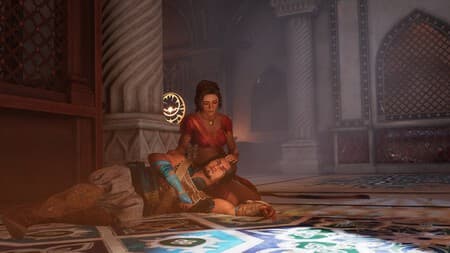
Let that sink in. Years of work across multiple teams, millions poured in, a cherished IP that should have been one of the safest remakes on Earth… and they pulled the plug at the eleventh hour. The actress for Farah even spoke publicly about losing three years of work overnight. Three years of scripts, motion capture, emotional investment, character exploration — gone in a press release. That’s not a normal project cancellation. That’s a psychological car crash you only walk away from on paper.
“You got paid, what’s the problem?” is an insanely shallow take
Every time a story like this breaks, the same dead-eyed chorus pipes up: “Well, devs are paid for their time. That’s just how it works. Projects get axed.” I don’t know how else to put this: that line is bullshit, and it completely misunderstands what creative work actually is.
Making games — especially big, narrative-heavy ones — isn’t just punching a clock. It’s careers, portfolios, and personal identities being slowly built ship-of-Theseus style across years. Your average programmer, artist, writer, or actor gets a few real shots at putting something meaningful into the world. Those shipped titles become proof that they exist as professionals. When a project dies late, you’re not just deleting tasks from Jira; you’re erasing evidence that those people ever did the best work of their lives.
Think about that Farah actor again. She doesn’t walk away with a widely released performance she can point to in meetings, an emotional arc she can show casting directors, or even a proper reel. She walks away with NDA-locked scenes sitting on some Ubisoft server that nobody will ever see. On paper she was “employed for three years.” In terms of legacy, it’s almost like those years never happened.
Now multiply that across designers who prototyped new combat systems, animators who spent months perfecting the Prince’s acrobatics, level designers who reinterpreted classic layouts for modern sensibilities, engineers who built bespoke tools for time rewind systems… all of it thrown in the bin, with no public credit and nothing tangible to show. You can’t put “I almost shipped a major remake before an exec panicked” on a CV and expect recruiters to understand what that means.
And that’s before we even touch the psychological hit. Humans need narrative continuity. We tell ourselves stories about where we’ve come from and where we’re going. If you grind on game after game that gets cancelled late, you don’t just feel tired — you start to doubt your own worth. You spend a decade in the industry and realize nothing you’ve worked on exists in the public eye. At that point, why wouldn’t you quit and go write backend code for a bank that won’t randomly decide your last three years were a rounding error?
Bluepoint’s closure is the institutional equivalent of a lobotomy
If Prince of Persia is a case study in how to emotionally nuke a project team, Bluepoint is what happens when you lobotomize the medium itself.
Bluepoint wasn’t just a “remaster studio.” They were the remake studio. These are the people who took Shadow of the Colossus and Demon’s Souls and translated them flawlessly into modern technical standards without losing their souls. Their work wasn’t some copy-paste job; it was the combination of brutal technical expertise and deep, almost obsessive respect for the original design. Those 19/20 and 18/20 review scores weren’t flukes — they were the result of a studio that had quietly become world-class at something vanishingly rare: preserving gaming history while making it feel new.
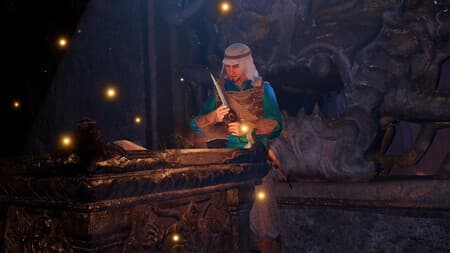
Sony bought Bluepoint in 2021. “Perfect fit,” we all thought. Then, according to multiple reports, they parked them on a live-service project tied to the God of War universe — a complete pivot from what they were brilliant at. That project was cancelled in early 2025. A year later, Sony leadership decided to just shut the studio down entirely. Around 70 people, many of them veterans who had been there for most of its 20-year history, are out of a job. Developers across the industry called the closure “devastating,” and one comment that stuck with me described the “sheer amount of institutional knowledge lost” as “staggering.”
“Institutional knowledge” sounds dry, but what it really means is this: the accumulated, hard-earned, mostly undocumented craft of making magic work. How do you rebuild a PS2-era boss encounter so it still feels the same at 60fps and 4K? How do you reverse-engineer weird old codepaths and re-author animation data without breaking the game’s rhythm? How do you thread the needle between authenticity and modern accessibility? Bluepoint didn’t just figure those things out once — they built a studio culture around them.
Now that culture is gone, because someone with a spreadsheet decided that what the PlayStation ecosystem really needed was another swing at a risky live-service model. The remake masters weren’t allowed to keep doing remakes. They were shoved into an arena they never asked for, on a project clearly fraught with risk, and when that bet didn’t pan out, the studio paid with its life. The leadership that greenlit the move? At worst, they miss a bonus. Long term, we all lose a studio that knew how to treat our favorite games with surgical care.
This isn’t “market forces” — it’s bad leadership hiding behind them
Defenders of this stuff love to wave the “market reality” flag. Development costs are rising. Growth is slowing. Players are fickle. All true. But those realities didn’t force Ubisoft to drag Prince of Persia through multiple restarts instead of either shipping the cheaper version or rebooting early. They didn’t force Sony to take Bluepoint, a studio perfectly positioned to be the custodians of PlayStation’s legacy, and gamble them on a God of War live-service experiment.
Those were choices. Specific strategic decisions, made by specific executives, who wanted specific growth stories to tell investors. There were other options. Smaller, saner options. Bluepoint could have been quietly given another prestige remake, maybe something from the PS3 graveyard that actually needed rescuing. Ubisoft could have scoped Sands of Time realistically, or accepted a mid-tier visual treatment and learned for next time. Instead we get the worst of all worlds: sunk millions, gutted teams, burned-out creatives, and nothing for players to touch.
What infuriates me most is how consequence-free this is at the top. When a project gets killed late or a studio gets shuttered, the people who eat the blast are the ones who spent nights debugging physics or obsessing over footsteps in sand. The folks whose risk appetite actually drove the mess? They just pivot strategy in the next slide deck. Meanwhile, we lose the people who actually know how to build things.
As a player, I feel this in my bones — and in my buying habits
I don’t work in game dev, but I’ve spent enough of my life around creative projects to recognize that feeling when the rug gets yanked. I’ve helped on small indie efforts that never made it past prototype, and even that stung. I can’t even imagine what it’s like to pour four or five years into something at AAA scale — to see it actually running on hardware, to hear VO recorded, to watch external partners tweet about how excited they are — and then be told none of it will ever reach the people it was made for.
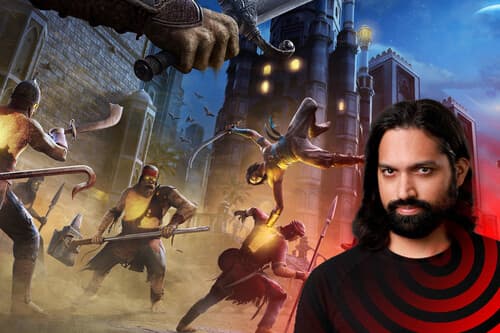
It changes how I look at the logos at the start of every game. When I boot up Demon’s Souls now, I don’t just see a shiny PS5 launch title; I see a time capsule from a studio that no longer exists, killed in the middle of a forced identity crisis. When I think about Sands of Time, I don’t imagine a triumphant remake anymore — I imagine a hard drive somewhere, full of levels and systems and performances that will never get their moment.
And yeah, it changes how I spend my money. I already stopped pre-ordering big-budget games after too many busted launches. Now I’m also side-eyeing every “ambitious” live-service pitch and every late-announced remake with skepticism, because I’ve seen how willing publishers are to just torch projects and people when the forecast doesn’t look perfect on a quarterly report. If you’re going to use my nostalgia as bait, I expect you not to treat the developers as disposable.
Where I draw the line: ship smaller, fail earlier, stop erasing people
None of this is me saying “never cancel projects” or “never close studios.” Sometimes you have to kill a game. Sometimes a studio truly can’t be saved. But there’s a world of difference between killing something when it’s still a pitch deck or a vertical slice, and dragging people through years of production before quietly suffocating the thing under an NDA pillow.
If the industry actually cared about the humans making these games — and about the long-term health of the medium — we’d see a few non-negotiables emerge:
- Fail earlier, not later. If a project isn’t working, kill it in year one, not year five. Don’t string teams along because you’re too cowardly to admit a strategy was wrong.
- Protect specialist studios from vanity pivots. If a team like Bluepoint is world-class at remakes, let them remake. Don’t shove them into the live-service mines because you want Destiny money.
- Give cancelled teams something tangible. If you cancel a late-stage project, loosen the NDA enough for devs to show work in portfolios, or at least credit them meaningfully. Stop treating their careers as collateral damage.
- Hold leadership accountable. When a long project dies or a beloved studio closes, someone above the dev level should actually pay a price that’s more than losing a bonus multiplier.
I know, I know — that all sounds idealistic. But here’s the thing: the alternative isn’t some hyper-efficient capitalist utopia. It’s what we’re living through right now — waves of layoffs, late cancellations, beloved studios shuttered, and a whole generation of developers quietly walking away because they’re tired of watching their best years vanish into corporate memory holes.
As someone who grew up on Sands of Time and spent hundreds of hours in Demon’s Souls, I care about this medium too much to shrug and say “that’s just how it works” while executives treat creative talent like interchangeable parts. The rewinds that made Prince of Persia magical don’t exist in real life. When you cancel a nearly finished game or close a studio like Bluepoint, you don’t get those years back. You don’t get that knowledge back. You don’t get those people back.
And if the people running this industry don’t start acting like that matters, they’re going to discover something brutal: players can walk away too. Not in a dramatic boycott way, but in a slow, steady loss of trust and excitement. That’s where I’m at right now. I’ll still play the games I love — but I’ve stopped giving the benefit of the doubt to the people in charge of making sure those games, and the folks who build them, actually survive long enough to matter.
FinalBoss // Gear
Level up your setup
01Retro consoleson Amazon→028BitDo controllerson Amazon→03Capture cards (Elgato & more)on Amazon→04Discounted game keyson Kinguin→Affiliate links · As an Amazon Associate, FinalBoss earns from qualifying purchases.
Want to Level Up Your Gaming?
Get access to exclusive strategies, hidden tips, and pro-level insights that we don't share publicly.
Ultimate Gaming Strategy Guide + Weekly Pro Tips