
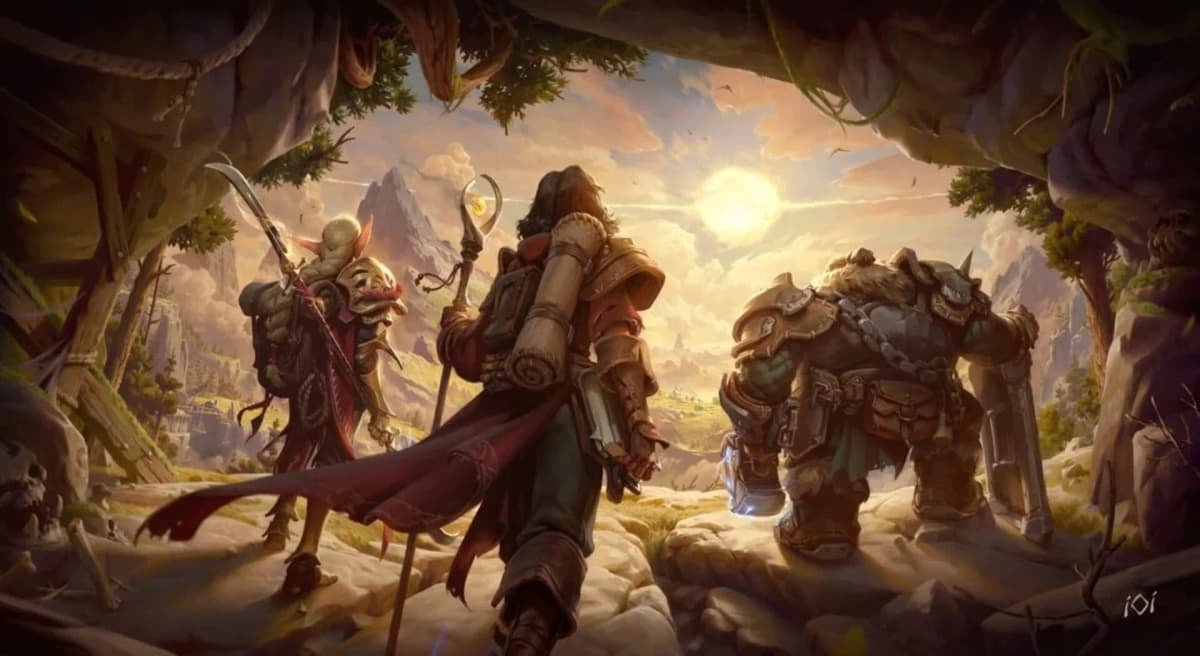
When a studio promises it is still “100% committed” to a game on the same day it starts cutting staff, what it really means is that the project just got downgraded from a priority to a problem. IO Interactive is currently handing out redundancies after its external publishing and funding partner walked away from Project Fantasy, the studio’s in-development online fantasy RPG. The game is not canceled. But a leaner team, a shattered production plan, and a whole lot of corporate doublespeak about “shifting investment priorities” are what players are actually getting.
Table of Contents (4)
The Partnership Ended. The Staff Got the Bill.
IO Interactive ended its external publishing and support relationship for Project Fantasy, an original IP that represented the studio’s first major step away from the assassination business. The immediate consequence was not a press release about a bold new independent direction. It was layoffs. Staffing decisions – corporate speak for redundancies – are already hitting teams, and they are not performance cuts. They are structural damage caused by a funding partner deciding that an experimental fantasy RPG no longer fit its portfolio.
Microsoft has publicly stated that it is not reducing its overall investment in games, and that it expects to spend roughly the same on content this year as last. The catch is where that money is going. The company is prioritizing established franchises and retreating from experimental new IP partnerships – a “business reset” that sounds strategic in a boardroom and devastating in a studio break room. A broader wave of Xbox layoffs is expected to begin on July 6, 2026, just days after IO’s announcement. When one division’s “portfolio optimization” creates a domino effect across independent studios, it is worth asking who exactly the industry is optimizing for. It is not the developers. And it is not the players.
“Committed to the Vision” Doesn’t Pay Salaries
IO Interactive insists that Project Fantasy remains in active development. That is technically true. It is also close to meaningless. A game does not survive on commitment alone; it survives on headcount, pipeline stability, and predictable funding. With an external publishing deal evaporated, IO now has to shoulder the full financial burden of an online RPG — a genre notorious for ballooning scope and burn rate — while operating with a smaller team.
The studio has been clear that it is reviewing staffing across the board. That review translates directly into fewer hands building Project Fantasy assets, fewer engineers handling netcode, and fewer designers crafting the live-service loops this genre demands. Even if IO maintains the same total budget projection as before, the specific work it can execute shrinks when the team does. That is the tradeoff nobody wants to name: the gap between total investment and actual capacity.
This Is What a “Business Reset” Looks Like on the Ground
We have seen this choreography before. A platform holder builds goodwill by funding creative risks, then pulls the cord the moment quarterly targets tighten. The studio is left holding the bag, forced to spin layoffs as “staffing decisions” while assuring fans that the game is fine. It is never fine. It is delayed, or downsized, or retrofitted to chase a trend that might attract another investor. IO Interactive has built its reputation on meticulous, systemic design — the kind of work that requires time and stability. Throwing that team into financial triage mode is how you get a compromised launch.
And let us not forget what else is on IO’s plate. The studio is simultaneously developing 007 First Light, a project with its own massive expectations and likely its own hefty resource demands. Splitting attention between a Bond game and a wounded fantasy RPG, all while morale cratered by redundancies, is not a recipe for either project’s best self.
What to Watch For — and When
The next concrete signal will be whether IO Interactive shows Project Fantasy in motion anytime soon. If the game vanishes from trade show lineups and developer updates for the next six to twelve months, you will know the timeline has slipped. Watch also for hiring notices: if IO begins aggressively recruiting for fantasy RPG roles in late 2026 or 2027, that suggests the studio is trying to rebuild capacity it just destroyed. Finally, monitor the 007 First Light marketing cycle. If that project starts absorbing studio messaging and public-facing talent, it is a safe bet that Project Fantasy has been deprioritized internally regardless of what the press releases say.
Here is the blunt truth: Project Fantasy is not dead, but it is wounded in ways that PR language cannot fix. A game built on the ambition of a fully staffed IO Interactive cannot simply absorb layoffs and emerge identical on the other side. Something has to give — whether that is scope, mechanical depth, or the release timeline players were counting on. IO deserves credit for refusing to kill the project. But survival is not the same as health. Right now, this game is trying to sprint with a smaller team and a lighter wallet while the same industry that courted it talks about flat investment and shifting priorities. If you were waiting for Project Fantasy, do not abandon it. Just temper your expectations. Hard.
FinalBoss // Gear
Level up your setup
01Top-rated gaming headsetson Amazon→02High-refresh gaming monitorson Amazon→03Gaming chairson Amazon→04Discounted game keyson Kinguin→Affiliate links · As an Amazon Associate, FinalBoss earns from qualifying purchases.
Want to Level Up Your Gaming?
Get access to exclusive strategies, hidden tips, and pro-level insights that we don't share publicly.
Ultimate Gaming Strategy Guide + Weekly Pro Tips