
Project Freefall Turns Skydiving Into Chaotic Tag — And It’s Free-To-Play With Cross-Play
Game intel
Project Freefall
Grab your squad and dive into a frantic chase for the lone parachute as you play the ultimate game of tag at 10,000 feet! Toss a grenade, spray a fire extingui…
Skydiving Tag With One Parachute? Project Freefall’s Big Swing
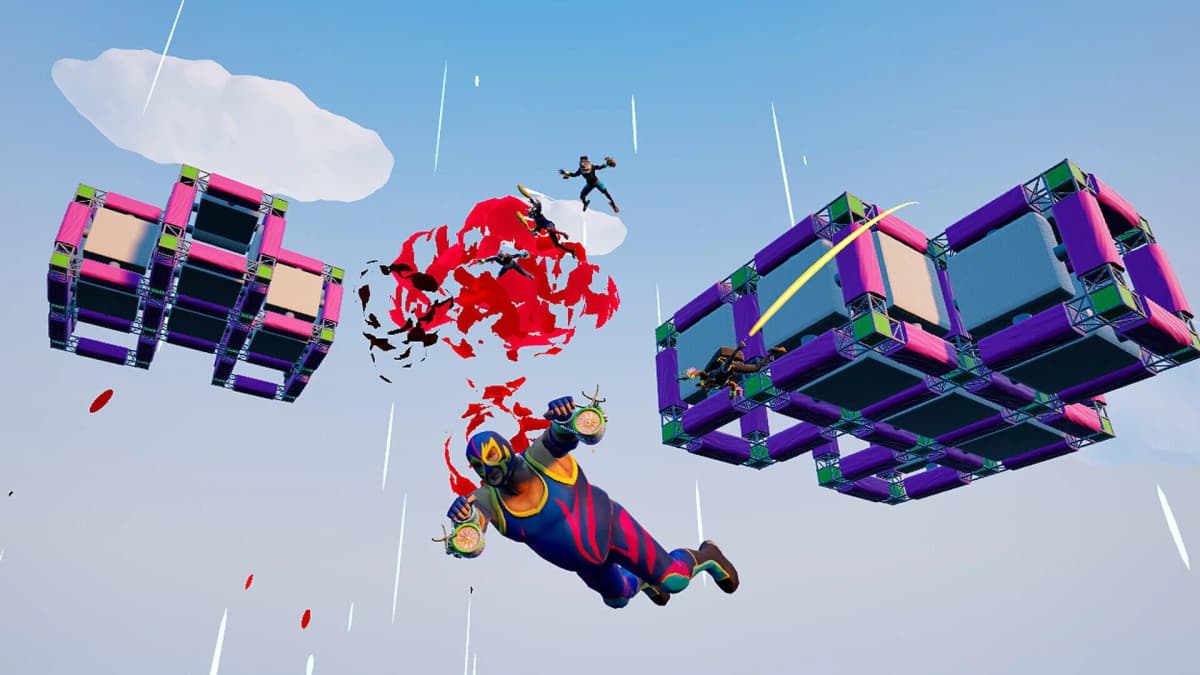
Project Freefall grabbed me immediately because it answers a question more multiplayer games should ask: what if the win condition wasn’t just “kill everyone,” but “grab the one thing everyone needs before the ground wins”? Schell Games is launching this early-access, free-to-play competitive skydiving tag game on October 13 for Meta Quest (2/3/3s/Pro) and PC via Steam and Epic, with cross-play and in-game voice chat from day one. There’s also a PC demo as part of Steam Next Fest running October 13-20. The pitch is simple: 4-8 players plummet through chaos to fight over a single parachute. It’s “musical chairs,” but the floor is thousands of feet below you.
Key Takeaways
- Launches Oct 13 as a free-to-play early access title on Quest and PC with full cross-play and voice chat.
- 4-8 players scramble midair to control the only parachute before hitting the ground – high-stakes, short rounds.
- PC demo during Steam Next Fest (Oct 13–20); the studio is seeding lobbies at 3pm and 9pm ET throughout the event.
- In-app purchases are “coming soon,” with cosmetics and unlockable “Divers” confirmed – pay-to-win remains an open question.
Breaking Down the Announcement
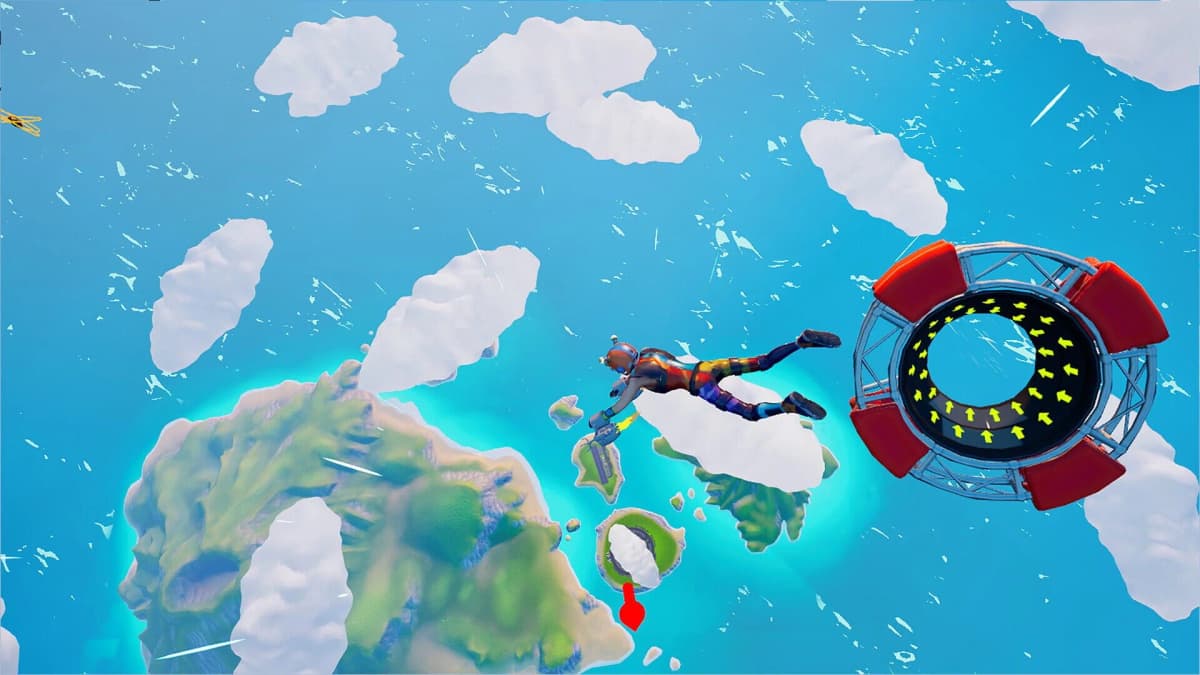
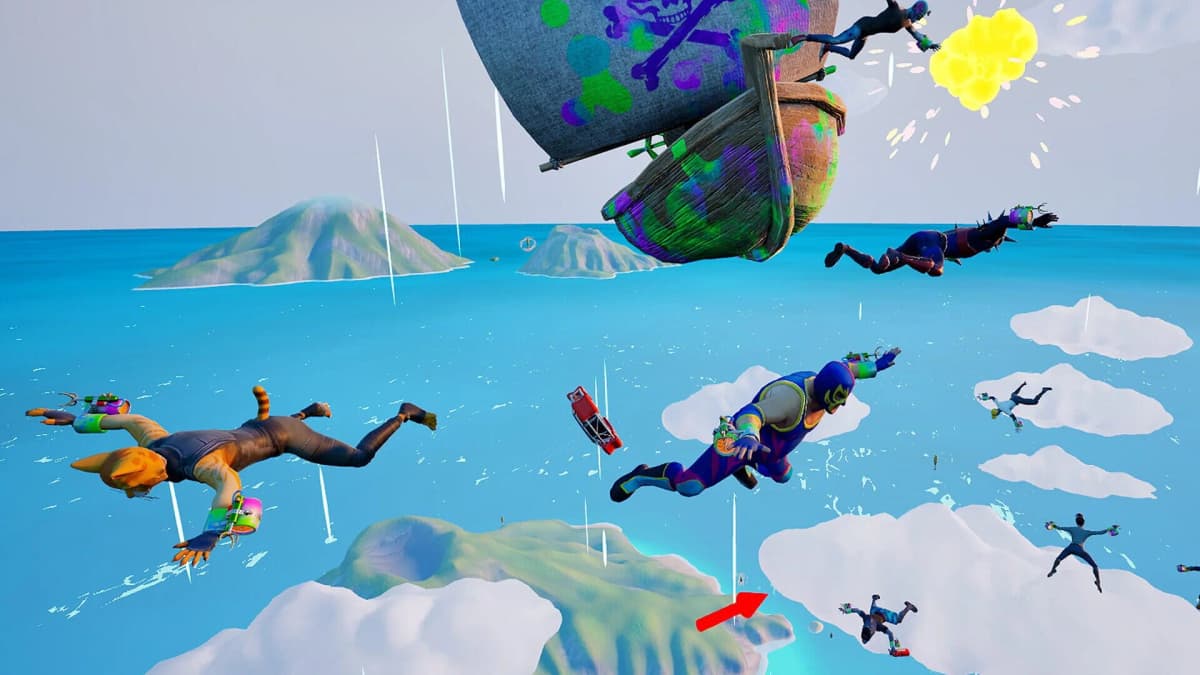
Here’s the loop: you spawn in the sky with 3–7 other players, dive through interactive debris (think ridiculous obstacles like giant sharks and a pirate ship), and weaponize tools to nudge, bump, or blast rivals off the ideal path. Only one person can own the parachute at the end. That core concept sounds like it supports dramatic last-second steals – the kind of “you had it until you didn’t” endings that make party games explode on streams and in Discord chats.
Schell Games pitches it as “easy to learn, high-stakes to master.” I buy that, at least on paper. Their track record includes VR hits like I Expect You To Die and the rhythmic melee of Until You Fall — both mechanically clean and polished. Translating that feel to a chaotic, physics-forward multiplayer environment is the real test. If the midair jousting feels weighty and predictable in the moment, Freefall could be dangerously addictive. If hit registration or collision feels floaty, players will bounce just as quickly as they drop in.
Why This Matters Right Now
VR multiplayer needs more quick, round-based games with clear stakes. Among the recent VR standouts, the titles that stick either deliver tight, repeatable loops (think arena duels, rhythm mastery) or social chaos with clean rules. A “one parachute” win condition is instantly understandable. Layer in PC cross-play and you get healthier lobbies and a wider funnel — critical during and after Next Fest. The studio even plans two daily play windows (3pm and 9pm ET) during the demo week to concentrate players, which is smart matchmaking triage for a new multiplayer IP.
Comfort, Controls, and Competitive Balance
There are three big questions I’ll be asking during Next Fest. First, comfort. High-velocity vertical motion can be nausea city in VR if acceleration isn’t handled well. Some players find constant downward motion easier to stomach than strafing; others don’t. Comfort options like vignettes, horizon stabilization, and clear cues for acceleration are non-negotiable if Freefall wants VR players to stick around for “one more run.”
Second, input parity. Cross-play is great, but are VR players at a disadvantage versus mouse/keyboard when it comes to precise positioning and aiming midair? Or does head-and-hand tracking give VR players better spatial awareness for last-second steals? The answer lives in the tuning — auto-aim, drift correction, and how the “tools” work under latency. If the meta leans hard toward one input, lobbies will split themselves.
Third, netcode. Games like this live or die on consistent physics and hit resolution. You can sell chaos, but not inconsistency. If someone rips the parachute from you at the buzzer, it needs to feel earned, not lag-assisted. Early access is the right label here — just be ready to iterate fast if the servers wobble.
Monetization and the Live-Service Question
The game is free across all platforms with in-app purchases “available soon,” plus a promise of cosmetic expression (“unique Divers”). That reads as a skin-driven model, which is fine for a party brawler — as long as Schell keeps any gameplay-affecting items out of the store. No stat boosts. No pay-to-grab. Clear, earnable progression paired with shop flair is the obvious path. I’d also love transparency on the cadence: is there a seasonal track, limited-time events, rotating obstacles and maps? Free-to-play only works if players always have a reason to jump back in that isn’t just a new hat.
What I’ll Be Watching During Next Fest
Beyond the basics, a few practical checks: do lobbies fill quickly during those 3pm/9pm ET windows, and how long are queues outside them? How readable is the action when eight bodies are corkscrewing through animated debris? Can I reliably track the parachute carrier at a glance? Are voice tools robust — quick mutes, party prioritization, and reporting? Finally, does the skill ceiling show up fast? If mastering subtle aerial maneuvers and “underhanded tactics” actually opens up outplays, this could have that “just one more” loop that party games dream of.
TL;DR
Project Freefall turns skydiving into a ruthless game of tag for one parachute, launching free on Oct 13 with VR/PC cross-play and a Next Fest demo on PC. The concept is strong; success hinges on comfort options, input balance, and rock-solid netcode. If the midair chaos feels fair and the monetization stays cosmetic, this could be the next party-night staple.