
Table of Contents (6)
Project Rene went mobile-first – and that changes the Sims roadmap
This caught my attention because it finally answers the question Simmers have been asking for years: what is Project Rene, and who is it for? EA and Maxis just confirmed what many suspected-Project Rene has “evolved into a social, collaborative, mobile-first life‑sim”-while also promising continued focus on deep single‑player Sims experiences on PC and consoles. That split matters. A lot.
- Project Rene is now clearly a social mobile game: designed to connect players, not replace single‑player Sims.
- More than half of Maxis’ dev resources stay on The Sims 4 and its “next evolution”: PC and console single‑player remains a priority.
- 2026 will bring playtests and more details: The Sims Labs will be the place to try experimental features.
Why this matters now
Mobile-first social games and deep single‑player sims serve two very different communities. For players who love sprawling, mod-friendly single‑player stories—where you build a legacy household over hundreds of hours—the news that Project Rene is not the official “Sims 5” is a relief. For players who want quick social loops, shared spaces and collaborative creation, Project Rene could be the fresh, connected experience they’ve been waiting for.
What Project Rene becoming mobile-first actually means
Call it what you want—spin‑off, companion app, or a flurry of cross‑platform experiments—the phrase “mobile-first” signals design choices: shorter sessions, UI built for touch, social systems baked in, and, likely, monetization strategies tailored to recurring engagement. That’s fine if your idea of The Sims includes pal‑to‑pal visits, community events, and curated creator content. But it also triggers the usual warnings: mobile = convenience, yes; mobile also often = live service mechanics, energy gates, cosmetic shops, and heavy steering toward microtransactions.
Maxis insists Project Rene is “a separate experience from any future deep, single‑player life simulation experience” and aims to “welcome Simmers who want to connect directly with other players.” Fair. The real test will be how much depth and creative freedom Maxis lets go of in pursuit of social mechanics—and whether the community can still craft the kind of emergent stories that made The Sims a sandbox classic.

Where The Sims 4 and the “next evolution” fit in
Here’s the part that should calm the people who build cathedrals out of pixel furniture: Maxis says more than half its global development team is dedicated to The Sims 4 and “the next evolution,” focused on PC and console. That’s not fluff. If half the studio is staying put, we should expect meaningful updates, possibly a major overhaul or remaster, rather than abandoning the franchise for a mobile pivot.
Recent rumors about a revamped Sims 4 or a protracted “Sims 4 as platform” plan make sense in this light. If EA intends to keep The Sims 4 viable as a long‑running platform, investing in quality updates and a roadmap toward a “next evolution” rather than an abrupt Sims 5 launch fits with modern live service thinking—provided Maxis doesn’t stunt single‑player depth to chase short‑term gains.
What to expect in 2026 — and what you can do now
Maxis promises more details and playtests in 2026 and points players toward The Sims Labs, its testing playground. If you care about shaping the future—especially if you want single‑player systems to stay robust—this is the time to sign up and make your feedback count. The Sims community has historically punched above its weight in influencing development; the team even says “Building The Sims is an ongoing collaboration with our players.”
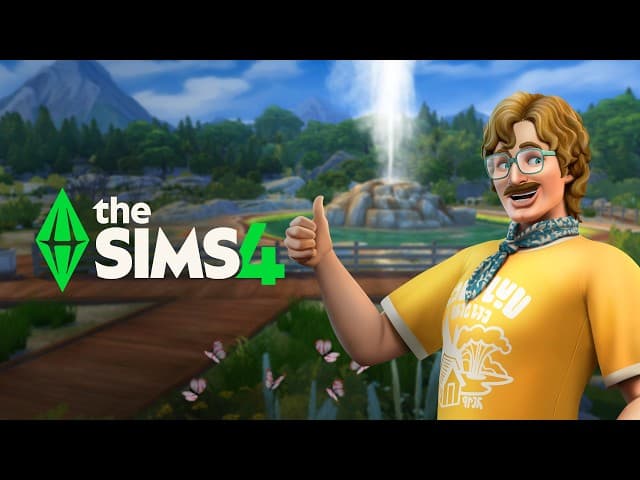
But stay skeptical. Social mobile titles can be brilliant and affordably accessible, yet they can also erode the experimental, moddable DNA that long-term Simmers cherish. Keep an eye on how Maxis monetizes Project Rene and what features carry over to PC/console experiments. The line between separate products and shared economies can blur fast.
TL;DR
Project Rene is officially a social, mobile‑first Sims spinoff—not the successor to The Sims 4. That’s good news for social players and a cautious win for single‑player fans: Maxis still has most of its dev force on The Sims 4 and its “next evolution” for PC/consoles, and 2026 will bring playtests and more clarity. Be excited, but keep your expectations sharp—mobile convenience doesn’t automatically equal the kind of sandbox freedom Simmers have spent decades loving.
FinalBoss // Gear
Level up your setup
01Mobile gaming controllerson Amazon→02Top-rated gaming headsetson Amazon→038BitDo controllerson Amazon→Affiliate links · As an Amazon Associate, FinalBoss earns from qualifying purchases.
Want to Level Up Your Gaming?
Get access to exclusive strategies, hidden tips, and pro-level insights that we don't share publicly.
Ultimate Gaming Strategy Guide + Weekly Pro Tips