
Table of Contents (8)
A cabin, a blank page, and a horror game that hits way too close
I booted up Project Songbird on PS5 expecting “Indie Alan Wake” with some Silent Hill vibes, then to log off, jot down a few notes, and move on to the next release in this absurdly crowded year. Instead I spent five hours white-knuckling a DualSense, not because of any huge boss battles, but because this game kept poking at something I really didn’t want to think about: what it means to make art when you’re empty inside.
The premise sounds simple enough. You play as a singer-songwriter who’s lost the ability to write. Grief, burnout, and the crushing weight of expectations have turned every blank page into a brick wall, so she escapes to a lonely cabin in the woods to find inspiration. Obviously, it doesn’t go well. Reality frays, the past refuses to stay buried, and the woods around the cabin fill up with things that shouldn’t exist.
On paper, that’s a familiar setup. What makes Project Songbird stick is how tightly its survival horror systems, stealth, and diegetic design are welded to that emotional core. It’s not a fireworks show of set pieces and jump scares. It’s smaller, more intimate, and a lot more uncomfortable.
First hours: more therapy session than power fantasy
My first 30 minutes weren’t scary in the usual horror-game way. They were unsettling because of how normal everything felt. You wake up in a messy apartment that looks like someone has been losing the same fight with themselves for months. Empty mugs, scattered lyrics, that particular half-cleaned chaos every creative knows too well.
There’s no HUD shouting at you. No glowing mission markers. You just walk, look, listen. A disembodied narrator starts talking, not quite to the character, not quite to you, hovering in this weird in-between. Early on, he says something to the effect of, “You’re not here to have fun. You’re here to figure out why you can’t do the thing you love.” That line hit harder than any monster I ran into later.
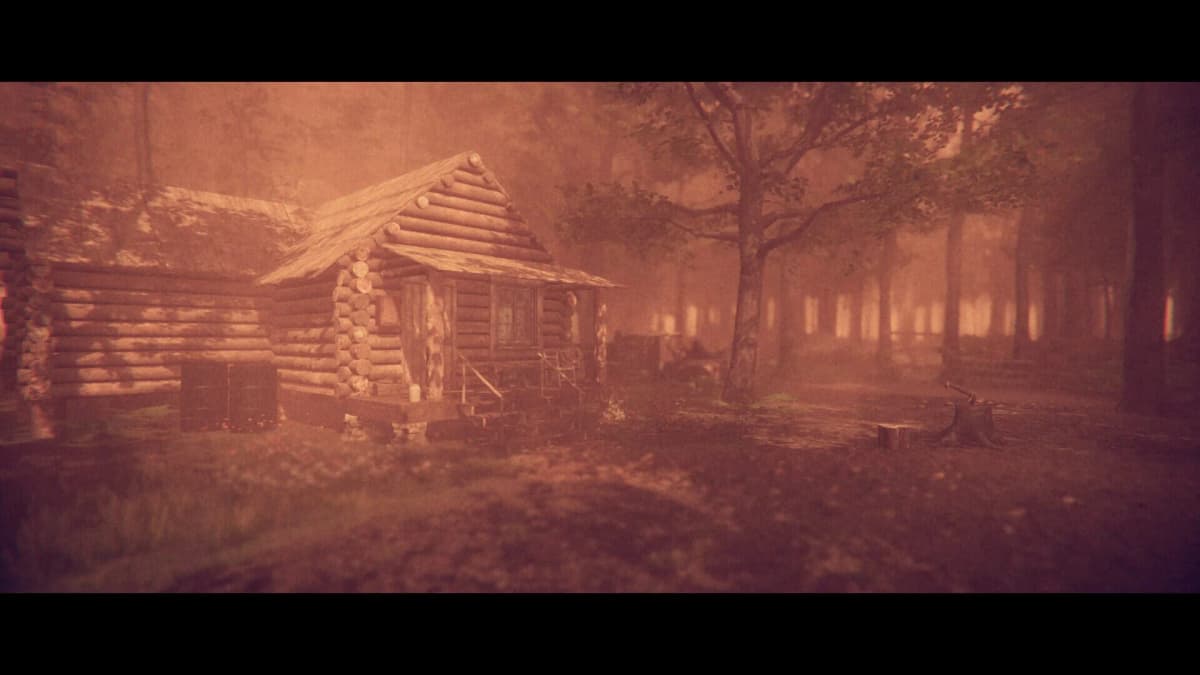
By the time I reached the cabin, I realized how much the game was doing with very little. The art direction is restrained-this isn’t a showpiece of next-gen graphics-but the spaces feel lived-in and real. The way light crawls through dusty window blinds, the clutter on a writing desk, the framed paintings (which are actual works made by a real painter, not random texture filler) all sell the idea that this place belongs to an artist clinging to the last threads of their identity.
And then the horror leaks in. Not in a cutscene, not with a loud sting, but through little wrongnesses: a hallway that’s slightly too long, a frame that reappears where it shouldn’t, a piece of music that skips like a scratched record right when you think you understand the space you’re in. The game takes its time, and I appreciated that. By the end of my first session, I hadn’t fired a single shot, but I was already on edge.
Stealth, scarcity, and the beauty of running away
Mechanically, Project Songbird is a first-person survival horror with light stealth. There is combat-both melee and ranged—but if you go into this expecting Resident Evil 4-style encounters, you’re going to be disappointed and probably dead.
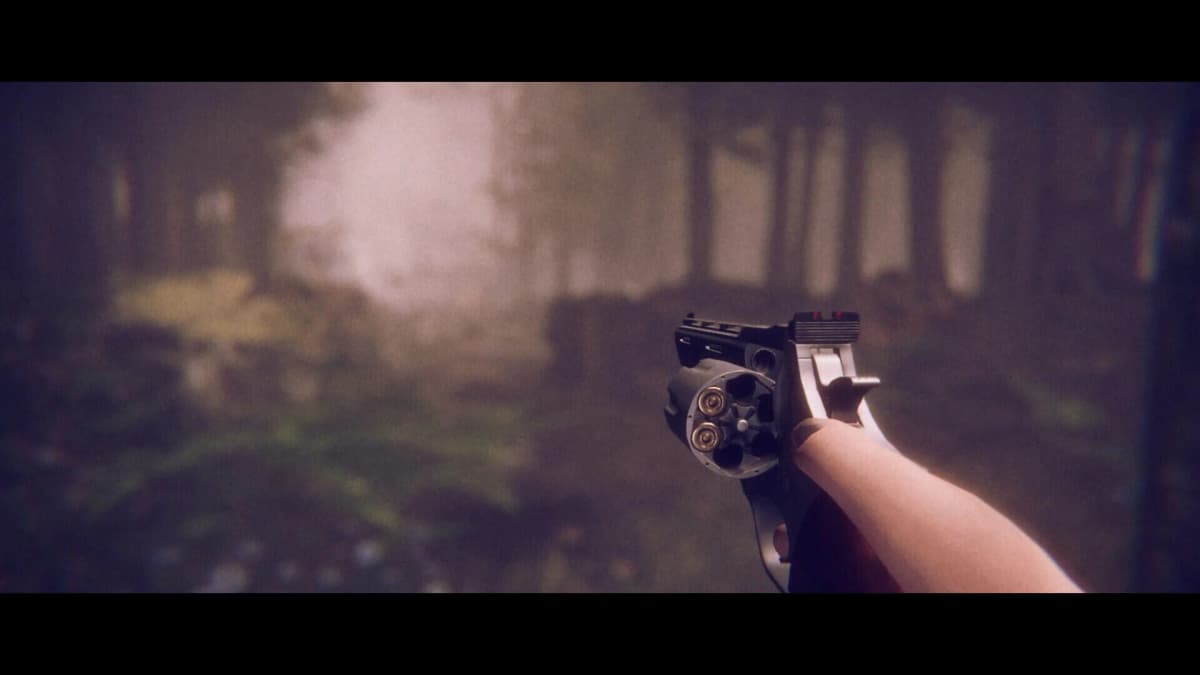
The enemies that haunt the woods and corridors around the cabin are few, but every encounter feels like you’re deeply outmatched. These are contorted, twitchy things whose movement and audio design made me freeze more than once. You can fight them, technically, but across my entire playthrough I fired maybe fifteen bullets. I didn’t kill my first enemy until well into the second act, and even then it was more, “I need this thing gone so I can think” than, “Time to clear the room.”
Most of the time, survival means listening carefully, planning a route, and sprinting like hell. The rhythm becomes: slip into an area, listen for distorted breathing or scraping sounds, spot the creature’s patrol path, and then either creep around it or bait it away from where you need to go. A few times, I misjudged distances, got spotted, and ended up in these desperate scrambles, slamming doors behind me and diving into side rooms while my heart pounded.
I appreciated how honest the game is about what it wants from you. It’s not asking you to master a deep combat system. It’s asking you to accept that sometimes the bravest thing you can do is run. That fits the story of a protagonist who is exhausted, grieving, and in no shape to be anyone’s action hero.
It also helps that resources are sparse without feeling sadistic. There’s enough ammo and healing to survive if you’re careful, but the game constantly nudges you back toward stealth. Every bullet feels like a small failure—evidence that you lost your cool and had to brute force your way through instead of reading the situation.
Diegetic design: when colored lights replace waypoints
The thing that impressed me most about Project Songbird, mechanically, is how laser-focused its diegetic design is. There are no mission markers. No objective lists. No yellow paint. The game basically says, “Look around. Trust what you see.”
Instead of HUD clutter, the world uses light and color to guide you. Red, green, and cooler blue tones form a kind of visual language that you slowly learn just by playing. Warm red glows hint at key items or routes forward. Cold, harsh greens draw your eye to interactable machinery and environmental puzzles. Softer blues often frame areas it’s safe to breathe for a second.
After about an hour, I realized I’d stopped asking, “Where does the game want me to go?” and started thinking, “Where would she instinctively look?” That’s a subtle but important shift. When I was trudging through the woods at night, light from a generator bleeding through trees, it felt like I was following intuition, not a designer’s dotted line.
This approach also meshes perfectly with the themes. A story about an artist trying to find her way back to herself using light, color, and sound as her only real guides? That’s not subtle, but it works. It gives the whole thing a cohesive, almost theatrical feel, like you’re moving through a really elaborate stage play where every prop has been arranged to reinforce what the scene is about.
Puzzles, language, and when obscurity goes too far
For most of the game, I liked how restrained the puzzles were. Flip a few switches, route power, pay attention to environmental clues, occasionally use recordings and sound in smart ways. Nothing that would stump you for hours, but enough to bring the pace down between stealthy stretches.
Then I hit the two spots that genuinely annoyed me.
The first is relatively minor but emblematic. There’s a section involving water where you need a specific item, and let’s just say the bucket lives in a place that feels weirdly unintuitive: a pump station that I had mentally written off as background dressing. I eventually found it by methodically re-checking every corner, but it broke the otherwise natural, diegetic flow the game had built. It was the one time I felt like I was playing “guess what the designer is thinking” instead of exploring a real place.
The second problem is more serious and, frankly, disappointing in 2026. In the second act there are two word-based puzzles that only really make sense in English. I played with English text, so I solved them quickly, but I swapped the language options out of curiosity and… yeah. If you don’t have at least a decent grasp of English, the clues just do not track cleanly.
It’s not just a translation quibble. It’s an accessibility issue. Up to that point, the game had communicated everything through visuals, sound, and really clean diegetic design. Suddenly, it expects you to think in a different language than the one you’ve been reading for hours, just to progress. It’s jarring, immersion-breaking, and feels unfair to players who don’t live in bilingual mode by default.
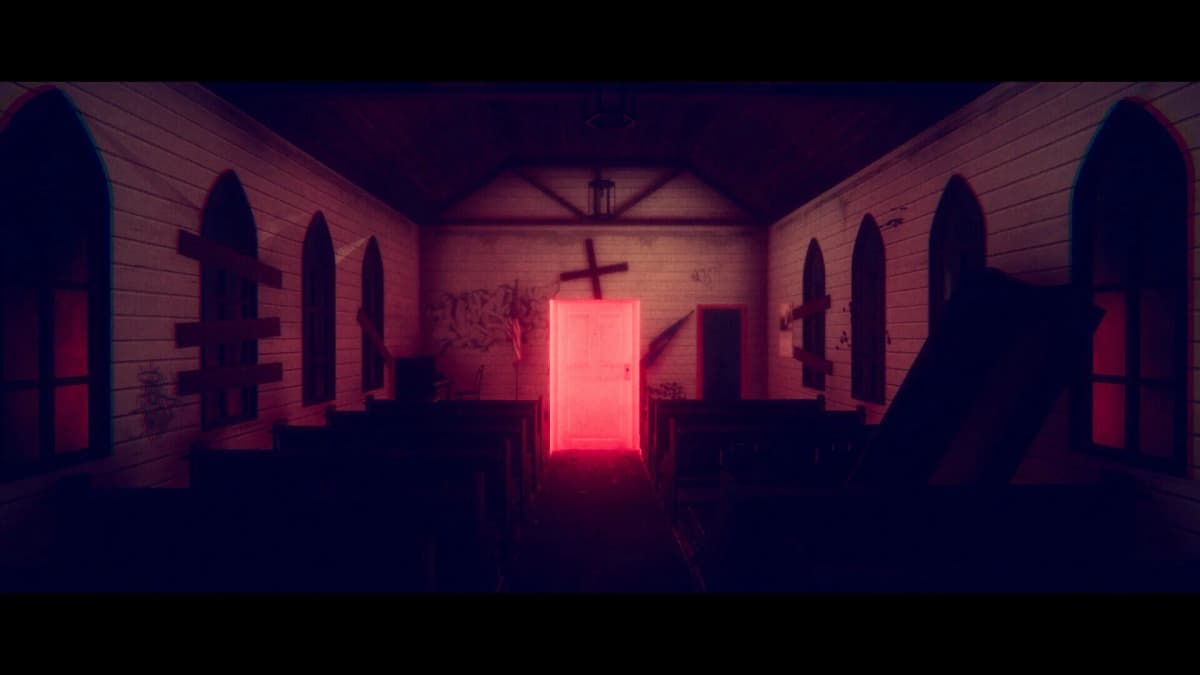
Outside of those spikes, the pacing across its three-act, roughly five-hour structure feels tight. The first act establishes the rules and the emotional stakes. The second act pushes you deeper into the woods—literally and figuratively—and shows you the worst of what grief and self-loathing can do. The third act becomes more linear, more urgent, and culminates in a shoreline sequence with a choice that made me set the controller down and just stare at the screen for a minute.
Audio, performances, and that monologue
For a game about a musician, the sound design has to carry a lot of weight, and it absolutely does. The soundtrack isn’t just background noise; it’s woven into the story. Snatches of melodies, half-finished songs, and warped versions of themes you heard earlier mirror the protagonist’s emotional state.
Walking through the cabin while a fragile piano loop repeats, fractures, and then suddenly drops into discordant noise when you cross an invisible emotional line is more effective than any gore could be. Out in the woods, the way the mix thins out—just wind, distant creaks, and your own footsteps—turns every rustle into a question: “Is that just the forest, or is something hunting me?”
The voice acting is on point, too. The protagonist sells that particular tired anger of someone who is sick to death of people telling her how talented she is while she can’t pull a single finished piece out of her head. The narrator has this almost smug, omniscient tone that gradually reveals a more complicated role in the story. Every so often, he’ll comment on how you play—a reload here, a hesitation there—in a way that feels more intimate than gimmicky.
There is one late-game monologue that I’m still thinking about. I won’t spoil the context, but it’s a full-on emotional gut punch about art, loss, and the cruelty of expectations—both from others and from yourself. It’s long, it’s raw, and it’s one of those scenes where the camera doesn’t do anything flashy because it trusts the writing and the performance to carry it.
I found it hard to listen to, in a good way. It’s rare for a horror game to risk slowing down that much for something this vulnerable. In that moment, the monsters and jump scares feel almost secondary. The real horror is the idea that you can devote your life to something, lose your connection to it, and have no idea who you are without it.
Technical performance on PS5
On the technical side, my time with Project Songbird on PS5 was refreshingly uneventful. The framerate felt stable throughout—no obvious stutters during hectic chases, no streaming hitches when moving between interior and exterior areas. I didn’t encounter any crashes or progress-blocking bugs in my full playthrough plus a bit of replaying to see alternate interactions.
Visually, it’s clearly an indie production working within its limits. Character models and some textures are fairly simple if you stare at them in bright light, and it’s not trying to compete with the most lavish big-budget horror games. But the art direction is clever enough that it rarely matters. Careful lighting, strong composition, and those real painted artworks on the walls do most of the heavy lifting.
The audio mix on headphones is excellent, and I’d actually recommend playing that way if you can. Subtle positional cues made it much easier to track enemies in the dark, and the quiet moments in the cabin hit harder when they’re basically in your skull.
Who Project Songbird is (and isn’t) for
This is where I need to be blunt: Project Songbird is not for everyone.
If your ideal horror game is a shooting gallery with elaborate upgrade trees and constant escalation, you’re going to bounce right off this. The combat is functional but intentionally minimal. There are no elaborate boss patterns to learn, no score systems, no New Game Plus meta to grind.
It’s also emotionally heavy. The game is about grief, creative burnout, and self-destructive tendencies, and it stares those things down without much sugarcoating. If you’re in a fragile headspace around those topics, you might want to approach with caution or save it for later.
But if you like slow-burn psychological horror—if you loved the way Silent Hill 2 wrapped mechanics around James’ guilt, or how Alan Wake blurred the lines between author and story—there’s a lot here to chew on. The tight length (my first run came in just under five hours) helps; it says its piece, lands its emotional punches, and gets out without overstaying its welcome.
Personally, I finished it late at night, sat through the credits in silence, and then replayed part of the second act just to appreciate how all the little diegetic hints were pointing at what the story was really about. That’s rare for me with horror games, which I usually treat as one-and-done experiences.
FinalBoss // Gear
Level up your setup
01Best-selling PS5 gameson Amazon→02DualSense controllerson Amazon→03PS5 SSD upgrades (M.2 NVMe)on Amazon→04Discounted game keyson Kinguin→
Affiliate links · As an Amazon Associate, FinalBoss earns from qualifying purchases.
Want to Level Up Your Gaming?
Get access to exclusive strategies, hidden tips, and pro-level insights that we don't share publicly.
Ultimate Reviews Strategy Guide + Weekly Pro Tips