
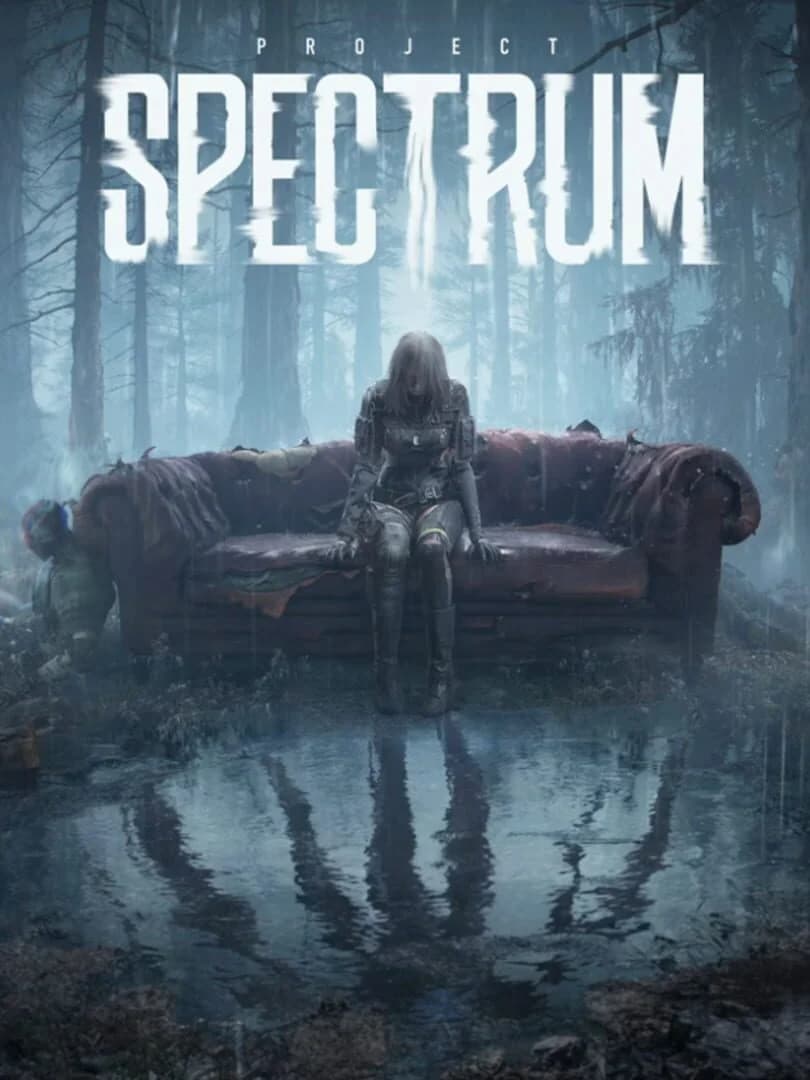
Project Spectrum Hands-off: Tactical Horror Extraction With a Killer Asymmetry Twist
Game intel
Project Spectrum
Project Spectrum is a new horror-infused first-person shooter from the team behind Delta Force.
Why Project Spectrum Caught My Eye
Project Spectrum grabbed me because it’s not just another “Tarkov but spooky.” Team Jade-yes, the studio currently steering Delta Force-showed a behind-closed-doors demo at Gamescom that mashes mil-sim gunplay with sanity-driven horror, contextual boss fights, and an asymmetrical wrinkle that lets someone become an apex predator called the Executioner. It’s audacious. It’s risky. And it might be the first extraction shooter in a while that actually tries to bend the formula instead of chasing it.
Key Takeaways
- Mil-sim gunfeel meets supernatural horror: tight comms, suppressed shots, and sanity effects that mess with your perception.
- Extraction pacing with optional asymmetry: you don’t have to fight the Executioner-grab the Ember and get out.
- Contextual boss design could keep runs fresh; area “themes” change enemy behavior and difficulty.
- A CRPG-like metagame of recruiting and upgrading agents hints at a deeper, roster-driven progression loop.
Breaking Down the Demo: Tactical Guns, Shaky Minds
The slice I saw put a squad creeping into a derelict mansion to hunt Ember—an ominous energy you track with a special camera. The vibe is straight-up Alan Wake by way of Resident Evil: shadowy hallways, wind moaning through cracked windows, and hovering wraiths perched like bad omens. Inside, zombie-adjacent shamblers force you to pick your moments. And then the sanity meter kicks in: visual tricks, hostile specters, and environmental “gotchas” that foul up your reads just when you need clarity. It’s not jumpscare spam; it’s sustained tension that punishes sloppy clears.
Approach an Ember node and the game flips from stealthy stutter steps to full send. A towering, black-cloaked boss materializes, shatters into skittering spider-things under pressure, then reforms. Hand-crafting a Molotov to push the swarm back showed how the survival-crafting layer feeds into tactical play. Crucially, director Basil Wang says these encounters are woven into the map and contextual: enemies “inspired by x-rays” might be disposable threats in most places, but hit their hospital home turf and they become a miniboss. If that systemic logic holds across biomes, it could keep routes and risk assessment interesting long-term.
The Asymmetry Question: A Monster You Don’t Have to Fight
Then there’s the Executioner, a corrupted blur that leaps, dashes, scans through walls, and snatches agents with tendrils. It looks outrageous and, frankly, like the kind of power trip that usually breaks these games. Wang didn’t spill the exact conditions for becoming it, only that “The Executioner is pretty powerful. We want to make sure it’s super fun to play, but at the same time, we want this experience to be gated somehow. It’s not going to be [an experience] you can binge… Agents can die, and we don’t want players stuck in a negative feedback loop forever, so we introduce the Executioner as a mixer to spice up the experience.”
Vice game director Rich Yu cut to the core of extraction design: choice. “In this game you don’t have to face the Executioner every time—you just get what you need, and get out the map.” That’s a smart counter to the Evolve problem (he brought it up himself): when the monster dictates the entire experience, balance and pacing implode. If Spectrum really lets you avoid the apex threat when you’re under-geared or on a cash-out run, it avoids forcing every raid into a boss duel. The caveat: this hinges on spawn logic, audio telegraphs, and map readability. If “optional” still ends up meaning “third-partied at exfil,” we’re back in Hunt: Showdown extract-camp hell.
Crafting and The CRPG Metagame: More Than Stash Tetris
Under the hood, Team Jade is clearly trying to escape Tarkov’s stash-based metagame. Yu says Spectrum lets you “recruit, manage, and upgrade your agents… a little bit like a CRPG.” That’s the right kind of weird. If death is mitigated by having a roster—each agent leveled for distinct roles, loadouts, and sanity resilience—you get more interesting pre-raid decisions than “which AK can I afford to lose?” Combine that with bespoke crafting and you can solve problems your way. Wang cited a crawler-bot that delivers smoke on command, letting a sniper orchestrate line-of-sight denial from across the compound. More toys like that, fewer generic stat sticks, please.
The real test will be whether progression meaningfully boosts options without turning low-level agents into cannon fodder. Asymmetry plus RPG layers is a thin line; one busted perk build can torpedo the whole ecosystem. If Team Jade nails sidegrades over raw upgrades, this could sing.
What This Means for Players Right Now
For fans of Hunt and Tarkov who want something stranger, there’s legit promise here: tactical comms and muzzle discipline rewarded by a fear meter that can betray you, contextual bosses that change routes, and an opt-in apex predator that spices up risk without hijacking every match. For horror heads, the mansion demo’s soundscape and sanity intrusions feel closer to classic survival horror than the cheap “boo!” tactics we’ve seen stapled onto shooters.
My healthy skepticism: Spectrum is juggling a lot. Kitchen-sink design kills more games than bad aim. The Executioner’s gating and matchmaking rules need to be crystal clear; solos need viable paths; and extraction points must avoid funneling every squad into the same killbox. Also, netcode and hit-reg matter even more when illusions mess with visibility—if the bullets don’t land where they should, the horror vibes won’t save it.
The team’s Delta Force pedigree suggests they can deliver on recoil, audio, and suppression feel. If that foundation is solid and the CRPG meta avoids grind traps, this “Project” (yes, the name’s still a placeholder) could become the rare extraction game that rewards both masterminds and madmen.
TL;DR
Project Spectrum blends mil-sim precision with supernatural tension, then tosses in an optional monster role and a roster-driven metagame. It’s ambitious, weird in the right ways, and one big balance pass away from brilliance—or chaos. Put it on your watchlist, but keep your questions loaded.