
Project Thea Demo: Turn-Based Cards Meet Slavic Apocalypse
Game intel
Project Thea
A dark, strategy-survival RPG blending retro-futuristic urban fantasy with Slavic folklore. Rebuild your colony, explore the post-apocalyptic wasteland, and en…
Every year the “strategy-survival RPG” genre sees dozens of new entries, but Project Thea immediately stopped me in my tracks. MuHa Games isn’t just stacking another deckbuilder or roguelite onto the pile; they’re braiding post-apocalyptic colony management, turn-based card combat, and authentic Slavic mythology into a retrofuturistic urban fantasy. Even better? The free public demo drops August 20 on PC—so you can test-drive the chaos long before its full 2025 release.
What Makes Project Thea Unique
Rather than patching disparate systems together, Project Thea weaves them into a cohesive whole. Hex-grid exploration, base-building, roguelite progression, and tactical card battles don’t just coexist—they’re interdependent. Success on the world map unlocks resources and blueprints for your colony; upgrading your hub in turn gives you new cards and abilities for combat scenarios.
Deep Deckbuilding Meets Strategic Combat
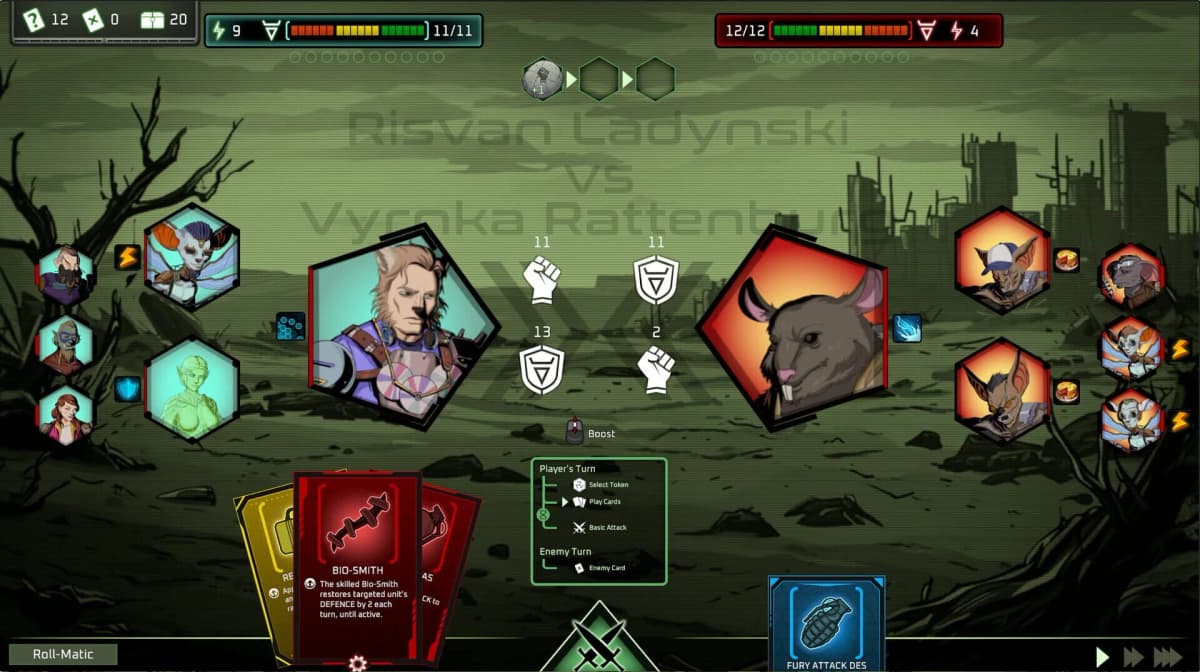
In most card games, your deck is a static tool for damage or defense. Thea flips the script by tying each hero and NPC to a unique suite of ability cards—from the trap-setting “Steel Trap” to the life-saving “Healing Vial.” Each turn, you draw a hand, allocate energy points, and adapt to enemy tactics. Building a balanced deck means juggling offensive strikes, protective shields, and utility moves like crowd-control or healing bursts. Learning when to hold back energy for defense or go all-in on a combo attack will be crucial for outwitting Thea’s toughest foes.
Roguelite Progression That Rewards Bold Moves
Permadeath looms in Project Thea, but each run—even failed ones—feeds into long-term growth. Currency, new card blueprints, and hero class unlocks earned on expeditions can be spent at your workshop back in Project Ostoya—your sprawling base. Over multiple attempts, you’ll refine strategies, discover potent card synergies, and unlock base technologies that transform each subsequent run. This sense of persistent advancement keeps you invested, whether you die on hex five or eighty.
Hex-Based Wasteland Exploration
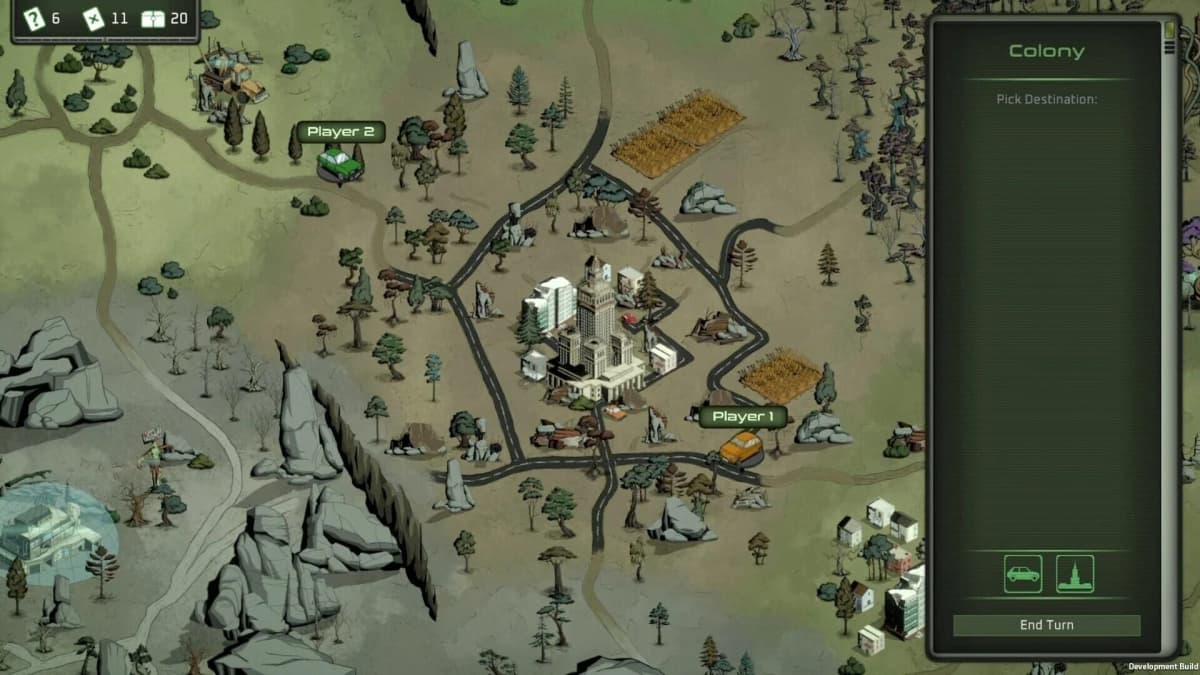
Thea’s world map unfolds over a hexagonal grid peppered with Points of Interest: abandoned fuel depots, mutated forests haunted by Leshy spirits, and irradiated villages stalked by the Poludnica. Every hex move drains supplies and risks random events—ambushes, sudden storms, or mythic encounters. Push deeper for richer loot, but danger scales accordingly. Deciding when to press onward or retreat becomes a tense, strategic gamble.
Managing Your Home Base: Project Ostoya
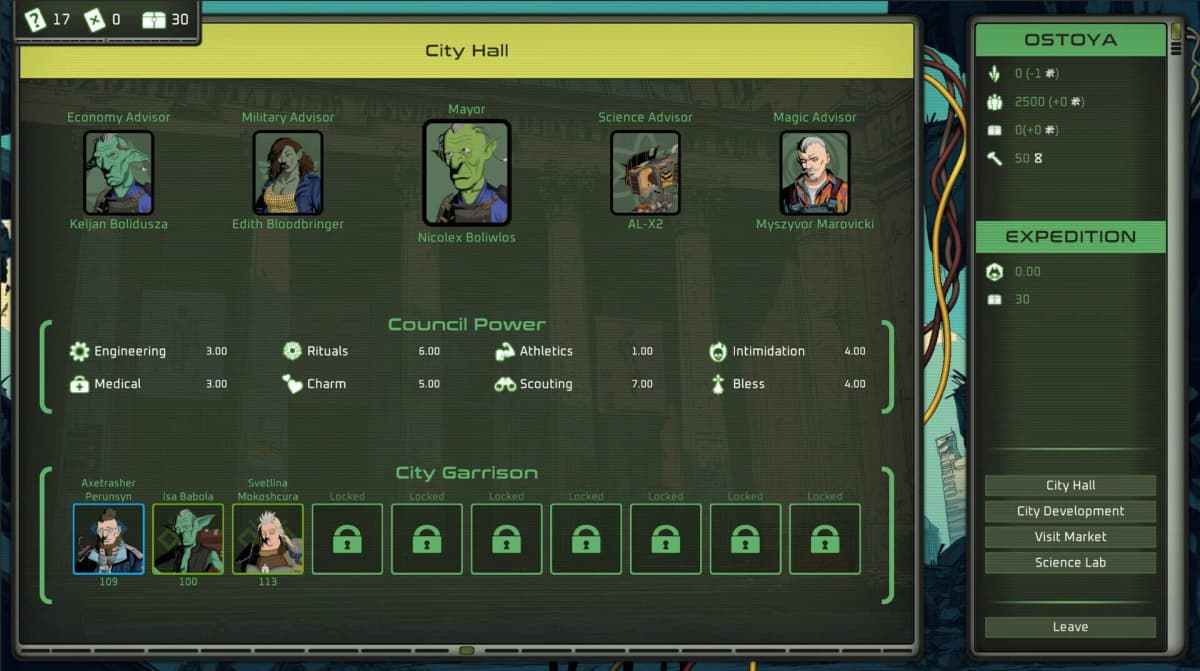
Your central hub is far more than a static menu—it’s a living settlement. Assign survivors to scavenge resources, run medical bays, or man defensive outposts. Funnel energy shards into the central generator and deploy Sigil-Transfer Lattices (STLs) to unlock new structures—workshops, greenhouses, defensive towers—and the passive abilities they grant. Balancing workforce between frontline expeditions and colony upkeep becomes a constant juggling act: expand too fast and supplies buckle; play too safe and progress stalls.
Want to Level Up Your Gaming?
Get access to exclusive strategies, hidden tips, and pro-level insights that we don't share publicly.
Ultimate Gaming Strategy Guide + Weekly Pro Tips
Slavic Mythology in a Post-Apocalyptic World
Forget generic fantasy tropes—Project Thea’s creatures and challenges spring straight from Slavic folklore. Negotiate with the techno-witch Baba Yaga in her ramshackle hut, barter timber and trinkets with the forest guardian Leshy, or outrun Poludnica’s deadly noon scourge across irradiated fields. These mythic interactions aren’t mere window dressing; they influence branching story paths and leave lasting ripples across your runs.
Co-op and Community Collaboration
While many strategy-survival games stick you alone, Thea welcomes a friend with both local and online co-op modes. Split tasks—one player scours new hexes while the other refines a deck and fends off threats—or team up to face down a two-headed Rusalki together. MuHa Games also embraces community feedback, tweaking balance and features based on player reports from the demo’s Gamescom showing and Discord channels.
Demo Details: What You’ll Experience
- Release Date: August 20 (PC demo, free)
- Playable Features: Hex-grid exploration, card combat, base upgrades, narrative events
- Roguelite Mechanics: Earn blueprints, new cards, and hero unlocks for persistent progression
- Co-op Support: Local and online multiplayer for two players
This demo will stress-test UI clarity, pacing, and whether these ambitious systems truly harmonize without overwhelming newcomers.
Challenges to Watch For
Thea’s scope is daring, but marrying so many mechanics risks bloat. Resource chores could tip into grind territory, or RNG-heavy card draws might frustrate strategists craving consistency. Keep an eye on balance patches post-demo to see if MuHa can smooth out any rough edges.
Our Final Take
Project Thea fuses turn-based card combat, hex-grid survival, base-building management, and Slavic myth into one audacious RPG. With a free demo on August 20 and co-op at launch, it’s already one of the year’s most compelling strategy-survival titles. If you crave fresh gameplay loops and mythic post-apocalypse flair, mark your calendar—this is one demo you won’t want to miss.