
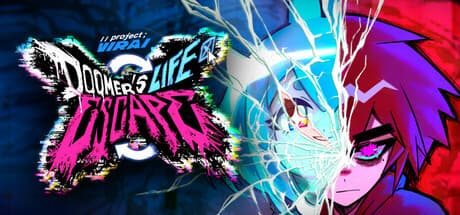
project; VIRAI: DOOMER’s LIFE ESCAPE – A Raw Indie Horror Unveiled
Game intel
project; VIRAI: DOOMER’s LIFE ESCAPE
Help a doomer girl make her VTuber persona popular and escape her depressive routine. If you can.
project; VIRAI: DOOMER’s LIFE ESCAPE – A Raw Indie Horror Unveiled
In a landscape crowded with jump scares and recycled monsters, project; VIRAI: DOOMER’s LIFE ESCAPE stands out as a game promising something more grounded and personal. Revealed by RIK ANIMATION Studio and creator boddiul with a Q4 2025 window, this title immediately earned a spot on my “must-watch” list. It’s not often you encounter an indie psychological horror shaped by authentic experience, fused with life sim and RPG elements to explore mental health, internet culture, and the lure of virtual worlds.
Personal Roots and Authenticity
What separates project; VIRAI from other “dark” themed games is the pedigree of its designer. RIKANI, a content creator who has publicly shared her own battles with depression and burnout, channels those struggles into every aspect of the narrative. Rather than offering a superficial take on sadness, the game immerses you in the relentless monotony and isolation of hikikomori existence. The setting—drab Eastern European apartments with peeling wallpaper and persistent gloom—feels lived-in and oppressive, not constructed for cliché horror.
Genre Fusion: Life Sim Meets Psychological Thriller
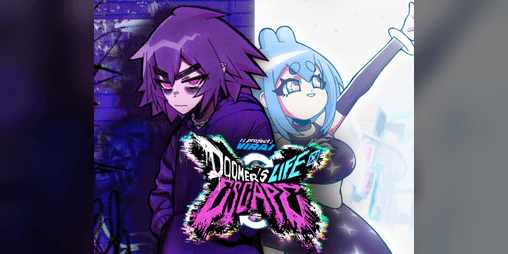
At its core, project; VIRAI marries three genres that rarely coexist: the routine management of a life sim, the branching choices of a visual novel, and the unsettling tension of psychological horror. You become Hicha, an internet shut-in whose only outlet is her digital avatar, Virai, in the virtual platform VITA. Managing basic needs—sleep, hunger, screen time—blends seamlessly with more fraught tasks: curbing anxiety spirals, resisting parasocial traps, and deciding when to log off or dive deeper into virtual escapism.
- Life Sim Mechanics: Track Hicha’s daily routines, from instant noodles to awkward video calls.
- Visual Novel Branching: Choices lead to conversations with online friends, fans, and inner voices.
- ARG Mysteries: Hidden clues, cryptic online forums, and password puzzles unravel deeper secrets.
Visual Dissonance: From 2D Gloom to 3D Surrealism
The art direction is a deliberate study in contrast. Hicha’s real-world existence plays out in minimalist 2D pixel scenes—muted colors, harsh angles, an almost tactile sense of decay. Once you don Virai’s headset, the world shifts into a disorienting 3D dreamscape where physics bend and geometry warps. This dramatic switch isn’t just aesthetic flair; it forces you to feel the protagonist’s fractured perception, where comforting moments can twist into psychological traps in an instant.
Mechanics and Deep Replayability
Ten distinct endings underscore just how much your decisions matter. Some routes spiral into full breakdowns, others hint at a fragile recovery, and a few reveal secret layers of the ARG narrative. Scattered throughout are unlockable post-punk tracks by underground artists—a nod to doomer culture’s DIY spirit—and optional side quests that deepen character backstories. This structure rewards thorough exploration, whether you’re combing through in-game chat logs or piecing together cryptic audio files.
The Stakes: Authenticity vs. Exploitation
“Internet mental health” can all too easily become a marketing buzzword, and indie horror has its share of melodramatic tragedies. Yet RIKANI’s track record—her previous short game on outsider youth—suggests genuine intent. The concern now is whether VIRAI can balance unflinching honesty with respectful storytelling, avoiding gratuitous gloom or melodrama for its own sake. If it succeeds, this could mark one of the most heartfelt explorations of digital-age loneliness in gaming.
Want to Level Up Your Gaming?
Get access to exclusive strategies, hidden tips, and pro-level insights that we don't share publicly.
Ultimate Gaming Strategy Guide + Weekly Pro Tips
Exploring Mental Health and Virtual Escapism
At a time when online life and real life blur more every day, project; VIRAI zeroes in on a critical question: when does solace become surrender? As Hicha, you’re constantly weighing the comfort of virtual interactions against the emptiness of physical isolation. The game doesn’t offer easy answers. Instead, it holds a mirror to our own scrolling habits and online dependencies, inviting reflection on how we cope with anxiety, trauma, and the pressure to perform—even for a handful of digital admirers.
Why Gamers Should Pay Attention
If you’ve ever found resonance in atmospherically driven indies—titles like OMORI, Doki Doki Literature Club, or Yume Nikki—then project; VIRAI deserves your notice. It builds on that legacy with a structural ambition rarely seen outside triple-A budgets, all while maintaining an authentic indie sensibility. By tackling mental health through multiple lenses—game mechanics, narrative choice, and visual metaphor—it aims to foster genuine empathy rather than simply exploiting trauma.
Conclusion: A Promising, Cautious Outlook
With its Q4 2025 release window and a playable demo on Steam, project; VIRAI: DOOMER’s LIFE ESCAPE already hints at the kind of emotional depth and experimental design that indie fans crave. The real test will come as development progresses: can it avoid the pitfalls of overwrought misery and deliver an experience that’s as empowering as it is unsettling? Based on what we’ve seen so far, this title has the potential to leave an indelible mark on the indie horror scene—and on anyone who’s ever sought escape in a screen.
Looking Ahead
I’ll be following updates closely. If project; VIRAI fulfills its promise, we may be witnessing one of the most honest portrayals of internet-era isolation in gaming history. Until then, you can sample the Steam demo, dig into community forums, and keep your expectations tempered but hopeful. After all, horror is most effective when it comes from a place of authenticity—something this game seems determined to deliver.