
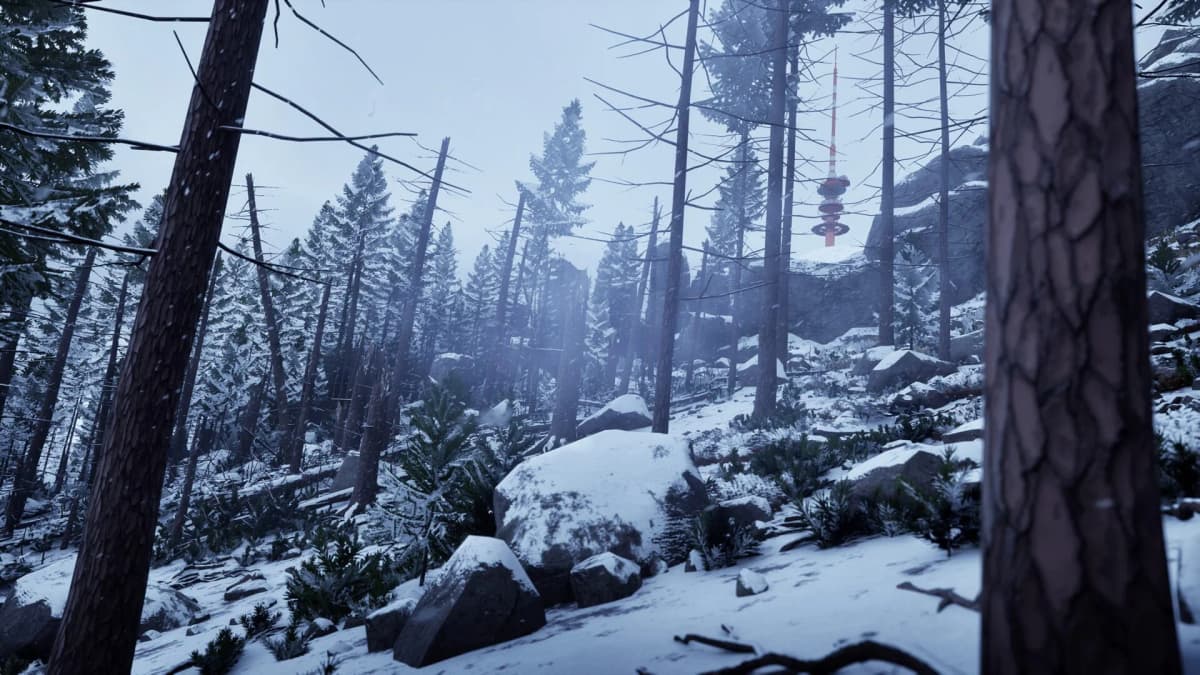
Prologue: Go Wayback! is not getting the kind of second chance Early Access games usually pretend they still have. PlayerUnknown Productions has halted further development in the game’s current form, says it plans to push one final update, and intends to let the game leave Early Access as a free title. If you paid for it, the important part is even less settled: refunds are being investigated, not promised.
That distinction matters, because this is not a normal roadmap adjustment or a “we’re listening to feedback” soft reset. It is a funding wall. Brendan Greene said he had reached the limit of how far he could continue financing the project in its current iteration, and the studio is restructuring around that reality. In plain English: the game didn’t become the foothold the studio needed, so the game is being deprioritized while the underlying tech survives.
Table of Contents (5)
This is less a pivot than a controlled shutdown
The headline version is simple. Development on Prologue: Go Wayback! is halted. The studio says it will release a final update that adds content, then move the game out of Early Access and make it free for players. What has not been announced is just as important: there is no firm date for that transition, no final refund policy, and no suggestion that the original long-term Early Access plan is still alive.
That makes this a controlled exit, not a relaunch. Studios love fuzzy language in moments like this because “future update” sounds cleaner than “we are winding this down.” But if active development has stopped and the next major move is to make the product free, the message is obvious enough. Paid access is ending because the current version no longer supports the business case.
The uncomfortable observation here is the one PR would rather leave in the background: people paid to help fund an unfinished game, and now the studio is trying to figure out what it owes them after deciding not to keep building that version of the game. That is exactly the kind of Early Access scenario players worry about, and usually get told not to worry about.
The tech is still alive, which tells you what mattered most
PlayerUnknown Productions is not disappearing outright. The smaller team is expected to continue work on Melba, the studio’s terrain and world-generation technology. That detail is the real story under the announcement. Go Wayback! was never just a survival game; it was also a proof-of-concept vehicle for bigger procedural ambitions tied to Greene’s long-running vision.
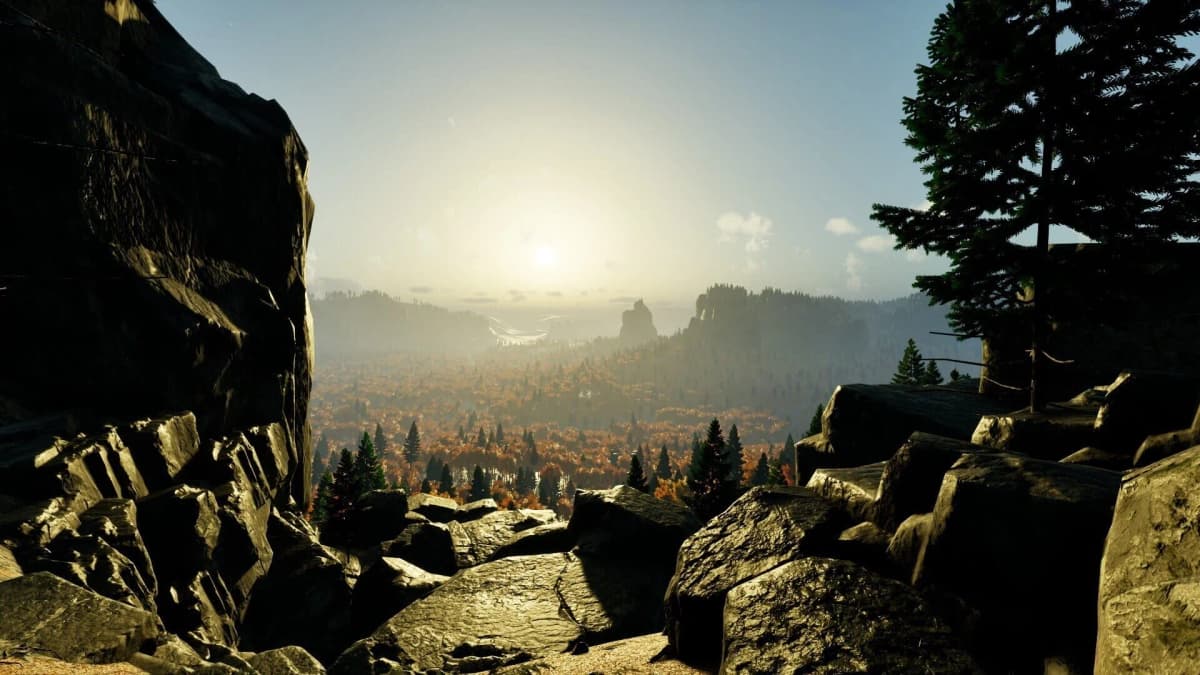
That cuts both ways. On one hand, it explains why the project existed in the first place. The game’s huge generated spaces and survival framing were part of a broader experiment, not just an attempt to make another craft-and-scavenge sandbox. On the other hand, it also explains why players may feel like they bought into a product that was always half game, half R&D expense.
We have seen versions of this pattern before across the industry: experimental projects launched into public storefronts, framed as player-facing games, but carrying the internal burden of validating a toolset, engine idea, or production model. When those experiments fail to find traction fast enough, the technology often outlives the game. For the studio, that can be rational. For paying customers, it feels like being asked to subsidize a prototype.
If you want the blunt read, here it is: Melba appears to be the keeper. Prologue: Go Wayback! was the part that became expendable.
What happens to your purchase is still frustratingly vague
Right now, the public language around refunds is cautious. Reports say the studio is actively investigating options for players who bought the game during Early Access, but there is no finalized refund program publicly confirmed yet. That means buyers should not treat “refunds are being investigated” as “refunds are guaranteed.” Those are very different sentences, and studios know it.
What players can reasonably expect in the near term is this:
- The game should remain accessible to current owners until the final transition update arrives.
- A final content patch is expected before it leaves Early Access.
- The eventual plan is for the game to become free once that exit happens.
- Refund eligibility, method, and timing remain unresolved publicly.
If you bought in, the practical issue is timing. Storefront refund windows are usually strict, and special-case refunds often depend on the publisher setting up a separate process. Until the studio publishes exact instructions, there is no clean answer on whether refunds will be automatic, case-by-case, platform-dependent, or limited by purchase date. That is the question players actually need answered now, and it is the one the announcement still leaves hanging.
The other thing worth watching is save data and long-term access. The studio has signaled a final exit update, but has not broadly detailed whether progression will carry cleanly into the free version, whether any major systems will be stripped back, or whether the final state of the game will simply be a stabilized snapshot rather than a truly supported live product. Those details matter more than any “free-to-play” label, because this does not sound like a live-service reinvention. It sounds like a handoff to a final public state.
Why this lands harder than a normal Early Access stumble
Early Access failures are not rare. What makes this one sting is the mix of profile and premise. Greene is not an unknown developer throwing a first project onto Steam. This came with the weight of the PUBG creator name, a bigger conceptual pitch, and the usual implication that players were buying into something ambitious. That changes the trust equation.
It also lands at a moment when patience for “buy now, maybe later” development is thinner than it used to be. Players have spent years watching survival games, extraction games, and procedural sandboxes sell the possibility before they can prove the loop. Sometimes that works. Sometimes it creates a graveyard of interesting ideas that never make it past their funding runway. Go Wayback! now sits on the wrong side of that line.
The historical anchor here is not one specific failed game, but a whole business pattern: sell access to an unfinished experiment, call the risk part of the journey, and hope community support carries it to version 1.0. When that doesn’t happen, the softest possible wording arrives. Restructure. Pause. Transition. Investigate. Underneath all of that is a simpler truth: the paid bet didn’t pay off.
What to watch next
The next meaningful update is not a trailer, a promise, or another philosophical note about big procedural worlds. It is a practical post with specifics. Players should be watching for three things:
- A date for the final update and free transition out of Early Access.
- A written refund policy that explains who qualifies, on which storefronts, and whether the process is automatic.
- Clear wording on what “halted development” means for future support, saves, and ongoing playability.
Until those details exist, the honest takeaway is straightforward. Prologue: Go Wayback! is being wound down as a paid unfinished product, the studio’s tech ambitions are continuing without it at center stage, and anyone who bought in should treat refund talk as pending rather than solved.
FinalBoss // Gear
Level up your setup
01Top-rated gaming headsetson Amazon→02High-refresh gaming monitorson Amazon→03Gaming chairson Amazon→04Discounted game keyson Kinguin→
Affiliate links · As an Amazon Associate, FinalBoss earns from qualifying purchases.
Want to Level Up Your Gaming?
Get access to exclusive strategies, hidden tips, and pro-level insights that we don't share publicly.
Ultimate Gaming Strategy Guide + Weekly Pro Tips