
The PlayStation Store settlement is real money, but nobody should plan a shopping spree around it. Sony Interactive Entertainment has agreed to put $7.85 million toward resolving a U.S. antitrust class action over certain digital game purchases. With more than 4.4 million people in the proposed class, the likely individual PSN wallet credit is small — and final approval still sits with a federal judge on October 15, 2026.
The useful part is that eligible players with active PSN accounts are expected to receive the credit automatically. The less useful part is the fine print: this does not cover every PlayStation Store purchase, every digital game, or anything spent on subscriptions. It applies to a defined group of digital titles connected to Sony’s 2019 decision to stop third-party retailers selling game-specific digital vouchers.
Table of Contents (4)
Check the game and the purchase window before counting your credit
The proposed settlement class covers U.S. residents who bought qualifying digital PlayStation games through PSN between April 1, 2019 and December 31, 2023. The qualifying titles are tied to game-specific vouchers that had previously been available through outside retailers before Sony pulled that channel.
That distinction matters. Sony did not agree to compensate everyone who bought a digital game on PlayStation 4 or PlayStation 5 during those years. The case targets games that meet particular voucher-history and price criteria, including a record of at least 200 vouchers redeemed before April 1, 2019 and an average price increase of at least $0.50 after third-party voucher sales ended.
Examples tied to the settlement materials include Madden NFL 17, Assassin’s Creed Chronicles: China, and The Last of Us Remastered. Other coverage has cited titles and series including No Man’s Sky, Demon’s Souls, FIFA, NBA 2K, WWE, Uncharted, Bloodborne, NieR: Automata, and God of War Collection. The final court-approved allocation plan and complete eligible-title list will determine whether any individual purchase qualifies.
The payout will probably buy very little — and that is the point
Class counsel can seek up to 25% of the $7.85 million fund in attorneys’ fees, plus litigation costs and $30,000 in service awards for the three named plaintiffs. Before administration costs, that would leave roughly $5.89 million for the class. Split evenly across 4.4 million people, that works out to about $1.34 per person.
The final calculation may not be a flat split, and the ultimate number of eligible accounts can change. Still, the broad outline is clear: this is a symbolic consumer remedy, not a meaningful refund for years of PlayStation Store spending. A few dollars in PSN credit is a cheap way to end a case that challenged Sony’s control over where players could buy certain digital games.
Sony has not admitted to violating federal antitrust law. The settlement closes a costly dispute without forcing a court ruling on whether the voucher shutdown unlawfully restricted competition. That absence of a judgment is precisely why the company can live with a seven-figure payment spread across millions of accounts.
Active accounts should be automatic; closed accounts are the problem
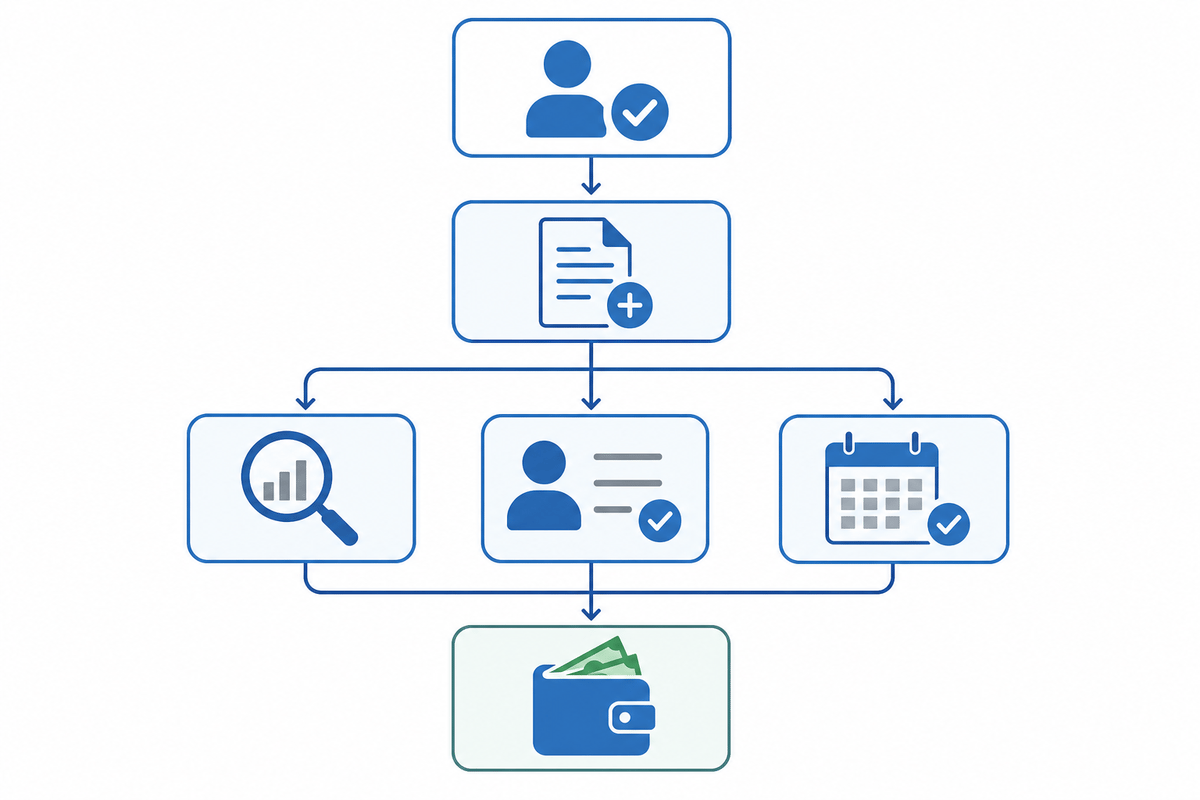
If the settlement receives final approval and survives any appeal, eligible players with active PSN accounts are expected to get their share as PlayStation Network wallet credit. No ordinary claim filing is expected for those accounts. Sony’s ecosystem gets to keep the money inside Sony’s ecosystem, which is an awfully convenient form of consumer compensation for a case about digital-store control.
Players with deactivated PSN accounts are expected to receive payment by mail instead. That group should preserve every scrap of account and purchase evidence now: PSN transaction history, PlayStation email receipts, card or bank statements, and old retailer or voucher records. The final notice instructions govern the process for closed accounts, and those instructions matter more than an old receipt sitting in an inbox.
October 15 is the date that matters
Judge Araceli Martínez-Olguín will hold the fairness hearing in the U.S. District Court for the Northern District of California at 2:00 p.m. on October 15, 2026. The settlement already has preliminary approval. It does not have final approval.
- Confirm that the PSN purchase happened from April 1, 2019 through December 31, 2023.
- Check purchase history for games connected to the former third-party voucher program.
- Keep the PSN account active and ensure its contact details are current.
- Save receipts and transaction records, particularly if the account has been closed or deactivated.
- Watch for the final allocation plan and administrator instructions after the October 15 hearing.
Payout timing remains unsettled. The only sensible expectation is that wallet credits come after final approval and after any appeals are resolved; dates claiming payment before the October hearing are plainly unusable. The next meaningful update is the court’s October 15 decision, followed by the final allocation details that will show whether a specific PSN library qualifies — and how little Sony’s settlement credit ultimately amounts to.
FinalBoss // Gear
Level up your setup
01Top-rated gaming headsetson Amazon→02High-refresh gaming monitorson Amazon→03Gaming chairson Amazon→04Discounted game keyson Kinguin→Affiliate links · As an Amazon Associate, FinalBoss earns from qualifying purchases.
Want to Level Up Your Gaming?
Get access to exclusive strategies, hidden tips, and pro-level insights that we don't share publicly.
Ultimate Gaming Strategy Guide + Weekly Pro Tips