
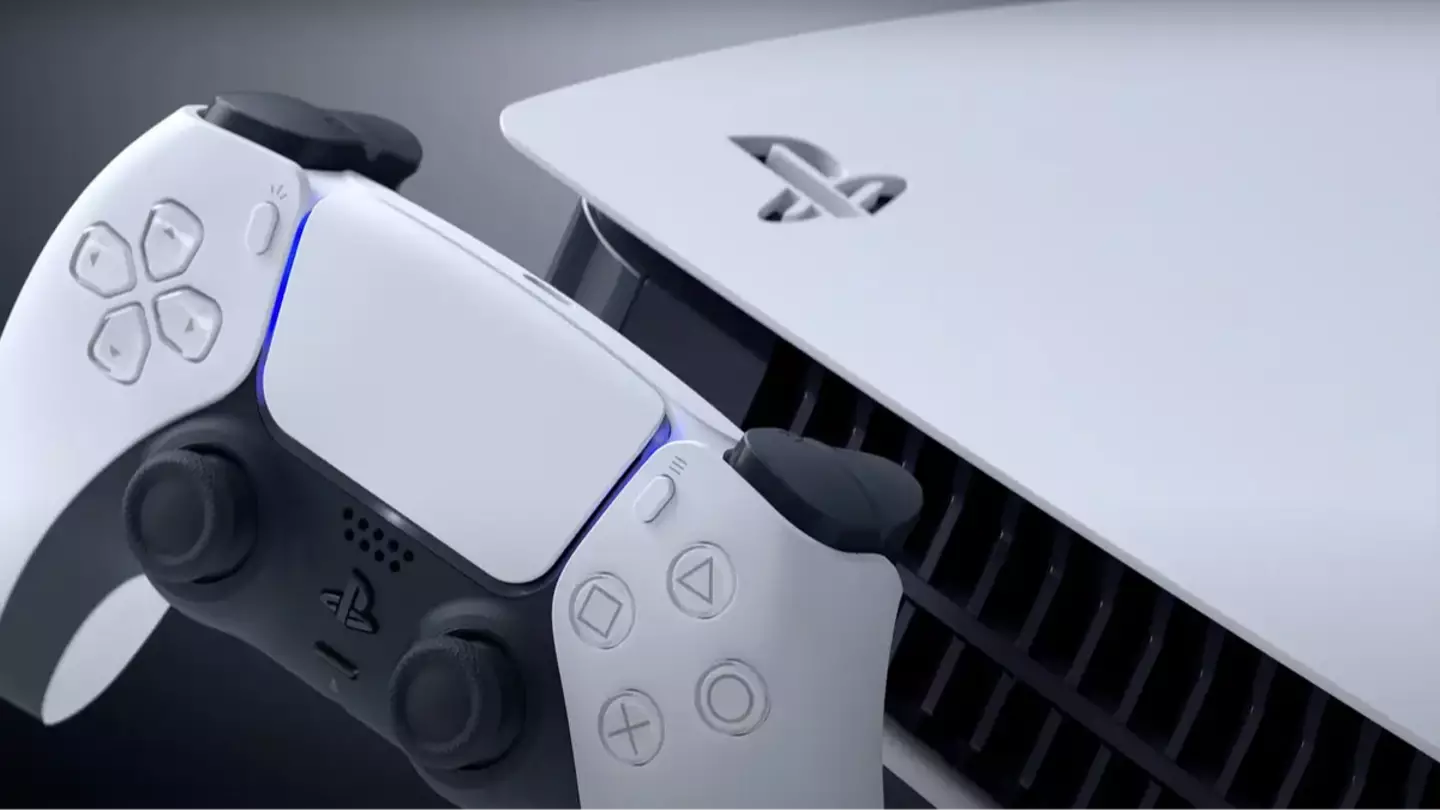
Hardware rumor season is back, and this one’s spicy: a PlayStation 6 with 4-8x the PS5’s performance, true 4K at 120 FPS, x86 backward compatibility, and-curveball-a second model that’s a dockable portable. The chatter traces to YouTuber Moore’s Law Is Dead and subsequent write-ups. I follow hardware leaks closely and like the ambition here, but let’s park the hype bus for a second. Some of this is plausible. Some of it is marketing math. And some-looking at that handheld claim—raises tough engineering questions.
“Eight times the PS5” sounds like a flex, but we’ve been here before. GPU TFLOPs and paper specs don’t translate 1:1 to frame rates once you factor CPU limits, memory bandwidth, developer targets, and thermal headroom. On the PC side, even an RTX 4090 doesn’t deliver native 4K/120 with full ray tracing in the heaviest games without DLSS and frame generation. A 2027-ish console leaning on AMD’s next-gen architecture plus smarter upscalers could absolutely push far better ray tracing and higher baseline performance than PS5/PS5 Pro—but blanket 4K/120 with full bells and whistles? That’ll be the exception, not the rule.
The x86 point is the most grounded part. Sony’s been on x86 since PS4, and sticking with AMD CPUs/GPUs keeps backward compatibility viable. It’s not automatic—features like new ray-tracing blocks or memory layouts can complicate things—but PS4 and PS5 BC on PS6 is a reasonable bet. PS3, built on the exotic Cell, is still the odd one out; expect cloud/streaming solutions to remain the default there.
What about a dockable handheld? That’s the headline-grabber. The Switch proved the model works, Steam Deck showed there’s a market for portable PC-class gaming, and Microsoft is openly flirting with handheld plans. Sony has history (PSP, Vita) and a toe in the water with PlayStation Portal, but a true local-play handheld that docks to become a “PS6” raises tradeoffs. To be affordable and portable, you’re talking a 15–30W APU, not a living-room 200W box. That means either a significantly downclocked shared SoC or a different chip entirely—both options complicate development targets, battery life, and expectations. Could Sony align specs enough that games scale between the portable and the home PS6? Sure. Will the handheld match the home model’s 4K/120 ambitions? Not a chance.
Timing matters. Regulatory filings in the Microsoft–Activision case hinted at the next console cycle landing around 2028. That lines up with a PS6 window in late 2027–2028—after PS5 Pro’s cycle has time to breathe. On the tech side, GDDR7 memory, improved ray-tracing hardware, and better frame-gen/upscaling (AMD’s FSR roadmap and Sony’s own PSSR on PS5 Pro) are all plausible pieces of the PS6 puzzle. The leap will be real; the question is how Sony frames it: brute force, smart reconstruction, or both.
The handheld scene has exploded post-Deck with ROG Ally and Legion Go proving there’s demand—even at premium prices. But those devices run hot, loud, and still rely on aggressive scaling to hit 60 FPS at 800p–1200p. For Sony to sell a mainstream, battery-friendly dockable PS6 portable, they’d need custom silicon efficiency, tight OS power management, and a price that doesn’t make early PS3’s sticker shock look quaint. It’s not impossible, but it’s a big swing.
If you’re on PS5 or PS5 Pro, don’t panic-sell. The library runway is strong—GTA 6 hits current-gen in 2025, and first-party Sony teams are mid-cycle on their next big swings. If PS6 arrives late 2027 or 2028, you’ve got years of cross-gen support and plenty of exclusives ahead. Backward compatibility likely means your library will carry forward anyway.
Where I’m cautiously excited: ray tracing that doesn’t nuke performance, faster CPU cores to unshackle simulation/AI, and smarter upscalers that preserve fine detail without smearing. Where I’m skeptical: blanket 4K/120 promises and the idea of a portable that meaningfully competes with the living-room box rather than complementing it. If Sony does ship two SKUs, expect the handheld to be a fantastic way to play—but not the place for maxed-out fidelity modes.
Here’s my read after years of watching this dance: the performance leap will be significant, the marketing numbers will be bigger, and the truth will land somewhere in the middle—like always. The dockable handheld is the wildcard that could reshape PlayStation’s strategy or end up a niche companion device. Until Sony talks, treat the specs as “directionally plausible” rather than gospel. Or, as the French say in the original leak coverage: take it with caution.
PS6 rumors point to major gains in ray tracing, CPU grunt, and reconstruction tech—enough to make a real generational leap. 4K/120 across the board isn’t happening, and a dockable handheld, while intriguing, would be a compromise device. Keep your PS5, enjoy the next two years, and watch for official signals before you buy into the hype.
Get access to exclusive strategies, hidden tips, and pro-level insights that we don't share publicly.
Ultimate Gaming Strategy Guide + Weekly Pro Tips