
When a publisher kills a branded multiplayer spin-off in 53 days, it’s not just a failed game – it’s a window into how ruthless the Early Access and live-service market has become, even for something with “PUBG” in the title.
Table of Contents (7)
Key takeaways
- PUBG: Blindspot was live for just 53 days, launching into Steam Early Access on February 5, 2026, and shutting down – servers off and game delisted – on March 30.
- The game wasn’t a disaster on paper: around 1,500 mostly positive Steam reviews, a launch peak of just over 3,000 players, then stabilizing at a few hundred concurrents.
- Developer ARC Team says it couldn’t “sustainably” deliver its vision, which in practice looks a lot like Krafton deciding that a few hundred daily players weren’t worth keeping the servers or dev team running.
- This is Early Access as disposable market test: a live-service prototype spun up, data gathered, then erased the moment the ROI curve doesn’t impress.
Fifty-three days from experiment to extinction
PUBG: Blindspot never got the chance to be “a game” in the traditional sense. It existed as a live experiment.
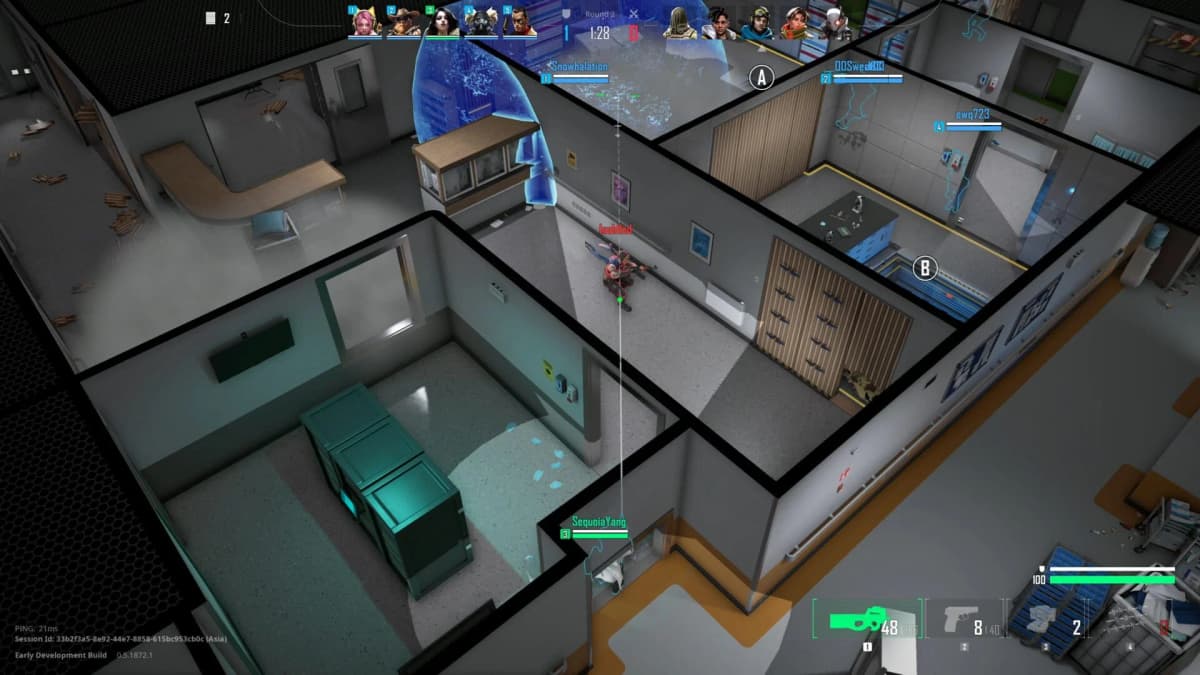
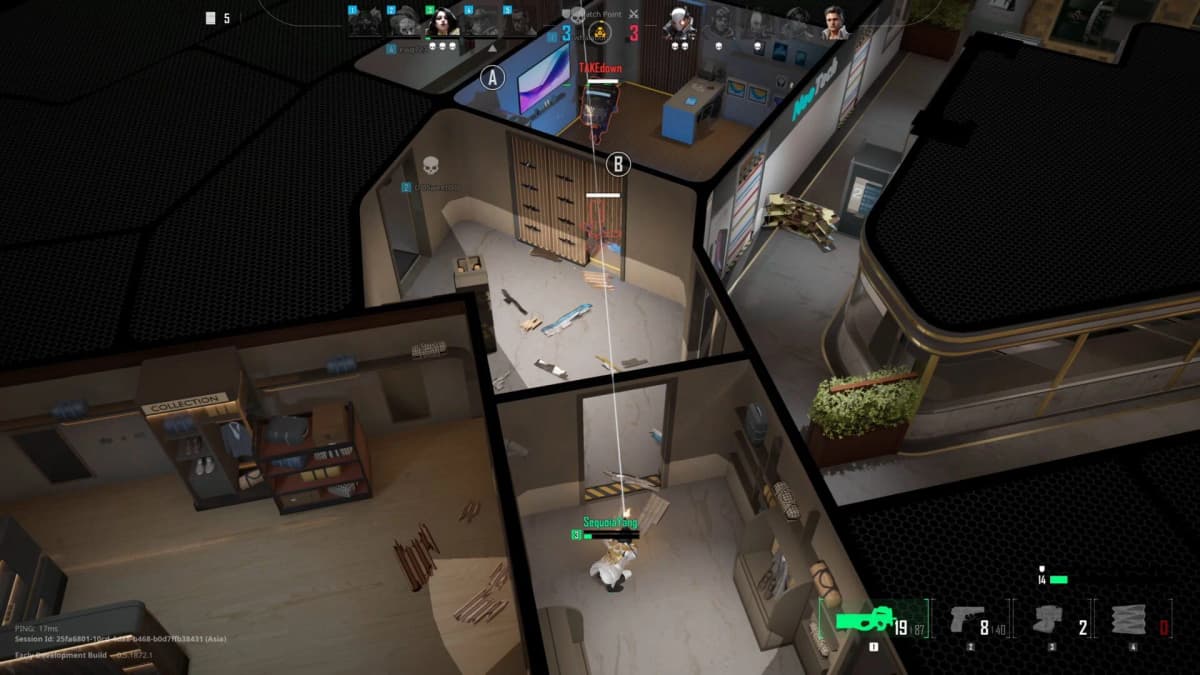
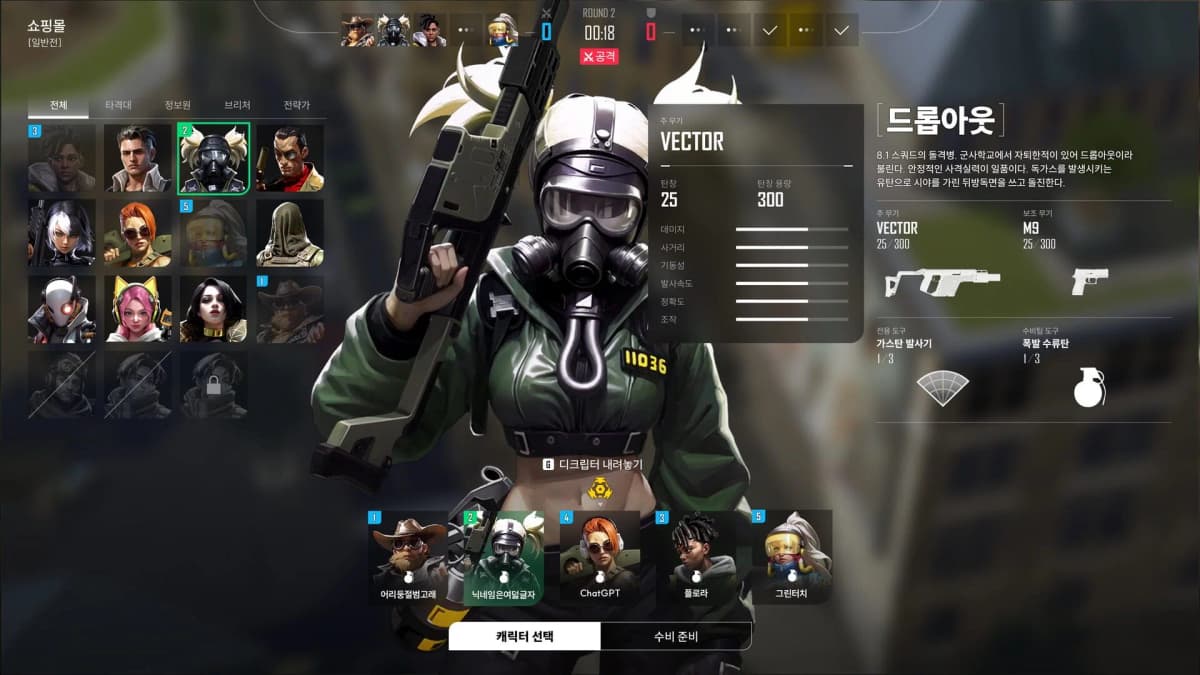
ARC Team and PUBG Corporation launched Blindspot on Steam Early Access on February 5, positioning it as a free-to-play, 5v5 top-down tactical shooter in the PUBG universe. Think tight, objective-based rounds, realistic gunplay, and a CCTV-style view of the map – Game Developer memorably described it as “Rainbow Six Siege run through Diablo”.
On paper, the start wasn’t catastrophic. TechRaptor notes a launch peak of just over 3,000 concurrent players. Eurogamer Portugal and other outlets point out that the game tried to stand out from PUBG’s usual battle royale formula, offering a more deliberate, tactical angle. The Steam page accumulated around 1,500 reviews, mostly positive, before it vanished.
But by late March, the numbers looked grim for a live-service shooter. TechRaptor pegs Blindspot’s 24-hour peak at just 236 players shortly before shutdown. Massively Overpowered cites an average of around 300 daily players over the previous month.
Over the weekend before the shutdown, Sequoia Yang of ARC Team posted the death notice on Steam: despite “exploring multiple ways to improve the experience and move the game forward”, the team had concluded it was “no longer able to sustainably provide the level of experience [it] set out to deliver through Early Access”.
Service ended March 30, 2026, at 6:00 PM Korean time (around 5:00 AM Eastern). The game was pulled from sale. No limbo period, no “we’ll keep servers up while we figure this out”. Just gone.
Early Access is quietly becoming a live-service firing range
Most headlines are focused on the timeline – “two months and dead”. The more important detail is how Blindspot died and what that says about Early Access.
Early Access was sold to players as a way to de-risk buying unfinished games: lower prices, clear expectations, time for iterative development. Blindspot flips that model. The financial risk was minimized for the publisher (free-to-play, limited live ops), while the creative and emotional risk landed squarely on players and rank-and-file devs.
From the outside, Krafton and ARC used Early Access as a cheap, real-time market test: ship a fairly polished prototype, run a few events (there was even a “free agent” promo weekend in March, highlighted by Game Developer), watch the concurrency graphs, and make a call. When the numbers didn’t spike, they hit the off switch rather than treating Early Access as a years-long runway.
The official line about “prioritizing player experience” sounds nice, but the mechanism doesn’t match the messaging. If player experience was the top priority, the natural question to ARC’s PR team is: why was deleting the game entirely better than scoping it down, slowing updates, or adding bots and modes that worked with a smaller population?
The more honest answer is probably the dullest one: sustaining servers, live-ops staff, and ongoing development for a few hundred daily users just didn’t clear Krafton’s internal bar for a PUBG-branded product.
“PUBG” isn’t a shield anymore – and that matters
Eurogamer PT nails one uncomfortable reality: even carrying a heavyweight brand like PUBG doesn’t buy you much time in 2026’s multiplayer market.
Blindspot wasn’t some random indie. It was a spin-off of one of the biggest battle royale franchises on the planet, published by Krafton – a company that, as Game Developer notes, is still reporting strong revenue and investing in everything from AI to new ventures.
Yet when Blindspot’s concurrency curve looked more “niche tactics fanbase” than “global esport”, the plug was pulled in less than two months, despite a push for competitive play noted by TechRaptor. Reasonable reviews and a small, engaged audience didn’t matter. Brand weight didn’t matter. Strategic “we’re exploring the top-down tactical space” positioning didn’t matter.
This is the new bar for live-service experiments: if you’re not on a growth trajectory that screams “hit”, you’re an accounting line item waiting to be erased. And when the brand is this big, publishers are even less willing to let a modest, slow-burn success exist under the same logo.
The harsh math behind modern multiplayer “experiments”
Looking across the coverage from Game Developer, Massively Overpowered, TechRaptor, and European outlets, a consistent picture emerges:
- The game found a small, positive core – ~1,500 mostly positive reviews and a couple hundred daily players is not “dead on arrival” by traditional standards.
- The game’s design demanded critical mass – 5v5 tactical PvP with no strong PvE or offline component lives and dies on matchmaking times and skill-based lobbies.
- The publisher had plenty of options – scale the team down, re-scope to a smaller but sustainable audience, pivot modes, or leave it as a low-cost niche title.
- The option chosen was total erasure – servers off, game delisted, Early Access journey over before it really began.
That choice is the worrying part. Not because Blindspot “deserved better” in some abstract sense – games fail all the time – but because it signals how little appetite big publishers now have for allowing “mid-tier” live-service games to just exist for the fans who like them.
The one small mercy here is that PUBG: Blindspot was free-to-play, so at least there’s no full-price buy-in stranded on Steam libraries. But for players who invested time, mastered maps, maybe followed the early esports pitch, the message is clear: your progress is only as durable as the latest concurrency graph.
What to watch next
- How other Early Access multiplayer games talk about risk: If devs aren’t upfront about server commitments or minimum viable player bases, treat that as a red flag.
- Krafton’s next spin-offs: If the company returns with another experimental PUBG project, pay close attention to whether they offer offline modes, bots, or clearer sunset policies.
- Steam’s Early Access expectations: More ultra-short-lived online titles like this will put pressure on Valve and consumers to rethink what “Early Access” actually guarantees – if anything.
- Indie tactics shooters: Smaller studios in the same space may actually be safer bets if they’re designed to function with low populations instead of chasing esports dreams.
For now, the practical takeaway is simple: treat any online-only Early Access game – even one wearing a mega-franchise logo – as temporary unless the studio proves otherwise. Don’t spend money you can’t afford to lose, don’t assume years of support because the publisher is big, and don’t confuse a brand name with a safety net.
TL;DR
PUBG: Blindspot, a free-to-play 5v5 top-down tactical shooter, launched into Steam Early Access on February 5, 2026, and was shut down and delisted on March 30 after player counts slid from just over 3,000 at launch to a few hundred. Developer ARC Team says it could no longer “sustainably” deliver the experience it envisioned, but the rapid shutdown shows how quickly big publishers will axe experimental live-service games that don’t spike. If you’re eyeing any new online-only Early Access title, especially a spin-off wearing a famous name, go in assuming it might be gone as fast as Blindspot unless the developers demonstrate a long-term plan.
FinalBoss // Gear
Level up your setup
01Top-rated gaming headsetson Amazon→02High-refresh gaming monitorson Amazon→03Gaming chairson Amazon→04Discounted game keyson Kinguin→Affiliate links · As an Amazon Associate, FinalBoss earns from qualifying purchases.
Want to Level Up Your Gaming?
Get access to exclusive strategies, hidden tips, and pro-level insights that we don't share publicly.
Ultimate Gaming Strategy Guide + Weekly Pro Tips