
PUBG Drops PS4 and Xbox One Support This November — What That Really Means for Players
Game intel
PUBG
Grab your summer fit with the PUBG Summer Ready Pack! Includes: - Summer Bucket Hat (Teal) - Floral Shirt (Teal) - Summer Shorts (Gray) - Mocks (Teal) - Suppl…
Why This Announcement Actually Matters
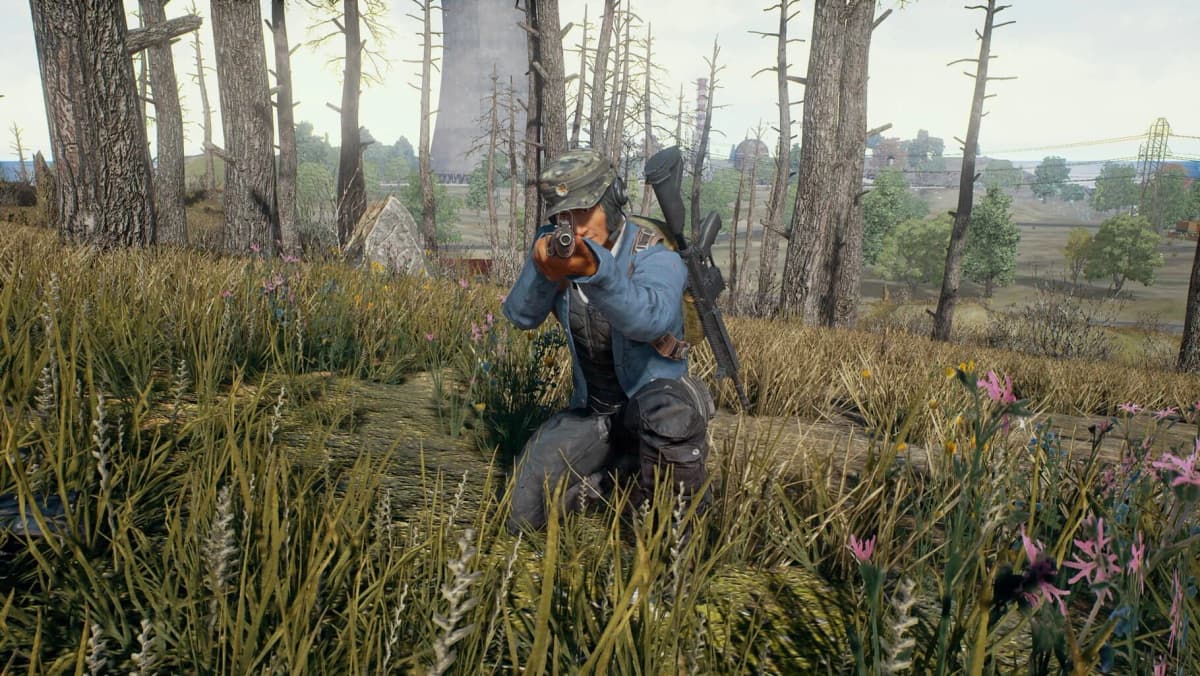
PlayerUnknown’s Battlegrounds is finally cutting the cord on last-gen. Starting November 13, 2025, PUBG will stop supporting PS4 and Xbox One, shifting development fully to PS5 and Xbox Series X|S. This caught my attention because PUBG on base last-gen consoles has always felt like it was held together with duct tape-crashes, brutal texture pop-in, erratic frame pacing. If you’ve stuck with it, you’ve known the pain. The promise here is simple: by ditching old hardware, PUBG can focus on stability and consistency. The real question is whether that promise turns into tangible improvements we actually feel match to match.
Key Takeaways
- PS4 and Xbox One versions go dark on November 13, 2025; they’ll be removed from download and won’t receive updates.
- Your account, purchases, and progression carry over to PS5 and Xbox Series X|S.
- Xbox uses Smart Delivery for the current-gen build; PS5 players will need to download the PS5 version from the store.
- The move should reduce crashes and improve frame stability-but watch whether netcode, matchmaking, and content cadence actually benefit.
Breaking Down the Announcement
Here are the practical bits. After November 13, PUBG won’t be downloadable or playable on PS4 or Xbox One. On Xbox, the current-gen build will arrive via Smart Delivery, so your Series X|S should grab the right version automatically. On PlayStation, you’ll need to search and install the PS5 SKU from the PlayStation Store. Either way, your existing Krafton/console account should bring your entitlements and cosmetic purchases along for the ride, so you’re not losing your inventory or BP/UC history.
If you’re still on last-gen, you can keep playing until the cutoff. After that, it’s current-gen or bust. No half-measures, no “legacy server” carveouts.
The Real Story: Why Drop Last-Gen Now?
Live-service shooters are expensive to maintain across sprawling hardware matrices. PUBG has long been a poster child for how much last-gen constraints can hurt a game’s feel: memory-starved consoles led to frequent crashes on busy maps, asset streaming struggled off old HDDs, and the game fought to hold a stable frame rate during hot drops or late circles. That’s not just cosmetics-it changes how gunfights play, how quickly you can scan a skyline, how reliably you can track recoil.
Consolidating on PS5 and Series X|S does a few meaningful things. First, it reduces QA and optimization overhead across wildly different targets, which should make updates less brittle. Second, it opens headroom for more aggressive asset streaming and more consistent performance—higher, steadier frame rates and fewer memory-related crashes. Third, it lets the team tune visual settings (draw distance, foliage LODs, shadows) to a single class of hardware without worrying about the lowest common denominator.
I’m not expecting miracle ray tracing or 120fps across the board overnight. What I want to see is boring, essential stuff: frame times that don’t wobble during city drops, faster texture resolve when you snap-scope at range, and a clear reduction in mid-match crashes. If this shift doesn’t move the needle on those fronts, then it’s just cost savings masquerading as a player-first move.
What Gamers Need to Do (and Watch For)
- Verify your accounts: Make sure your PUBG/Krafton ID is properly linked to your PlayStation Network or Xbox profile so purchases and progress sync cleanly.
- On PS5: Manually download the PS5 version after November 13; don’t rely on auto-updates for the PS4 app.
- On Xbox: Smart Delivery should handle the current-gen build, but double-check the version in your library and storage settings.
- Storage reality check: Keep enough SSD space free—PUBG’s footprint plus patches can balloon quickly on current-gen.
- Performance expectations: Look for steadier frame rates, faster loading, and fewer crashes first. Flashy visual toggles are nice, but stability is the real win.
One more thing to keep an eye on: matchmaking and map rotation. In theory, a unified player pool on current-gen should tighten queue times and make broader rotations feasible without leaving certain modes to languish. If playtimes still spike and dip wildly by region or mode, then the last-gen cut wasn’t the bottleneck we were told it was.
Want to Level Up Your Gaming?
Get access to exclusive strategies, hidden tips, and pro-level insights that we don't share publicly.
Ultimate Gaming Strategy Guide + Weekly Pro Tips
Industry Context: The Fifth-Year Break Point
We’re five years into this console generation, and the dam is breaking across live-service games. Supporting last-gen has been the safety net that kept concurrency numbers healthy during the early PS5/Series stock droughts. But in 2025, the availability problem is largely solved, and the hidden costs of clinging to old hardware—slower patches, more bugs, conservative content design—start to outweigh the benefits. PUBG isn’t first to make the jump, and it won’t be the last.
The upside for players who upgraded is obvious: fewer technical compromises. The downside for holdouts is just as clear: you’re out unless you buy new hardware. It’s a tough pill, but that’s the trajectory of every long-running competitive game once a generation matures.
The Gamer’s Perspective: Cautious Optimism
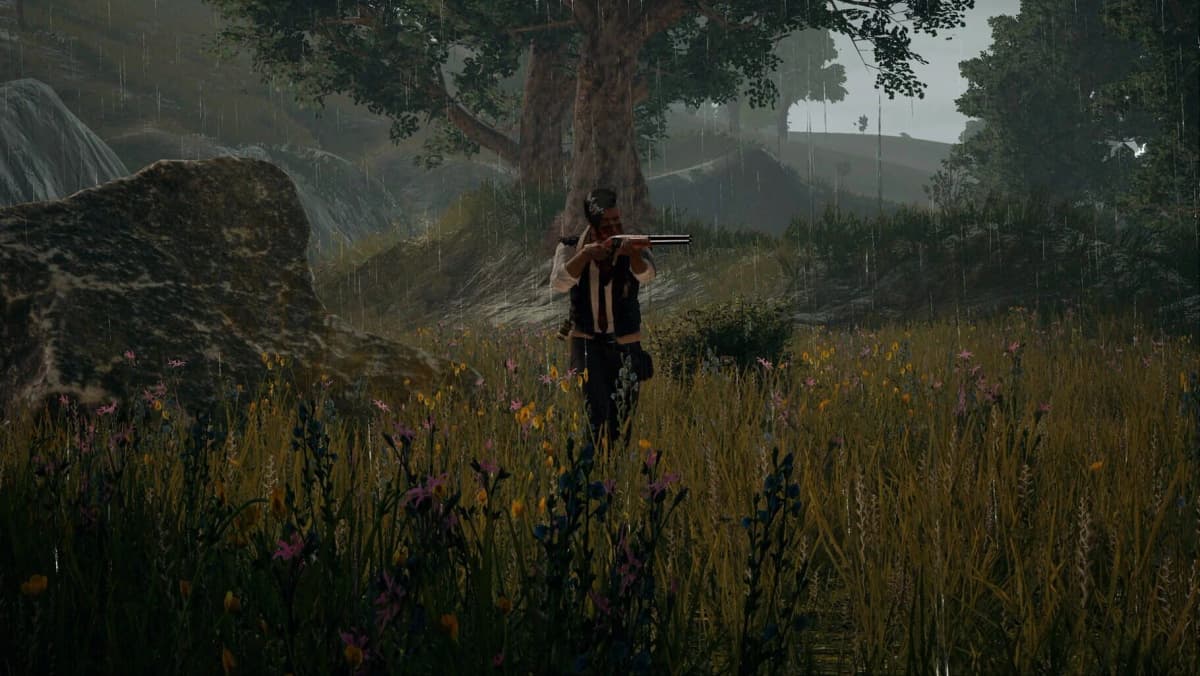
As someone who still drops Erangel on weeknights, I’m cautiously optimistic. PUBG at its best is tense, tactical, and weirdly beautiful in its quiet moments—and that version of the game has been more accessible on current-gen for a while. Removing last-gen from the equation could finally let the team focus on the fundamentals that make firefights feel fair: smooth frame pacing, fast asset resolve, and consistent input response.
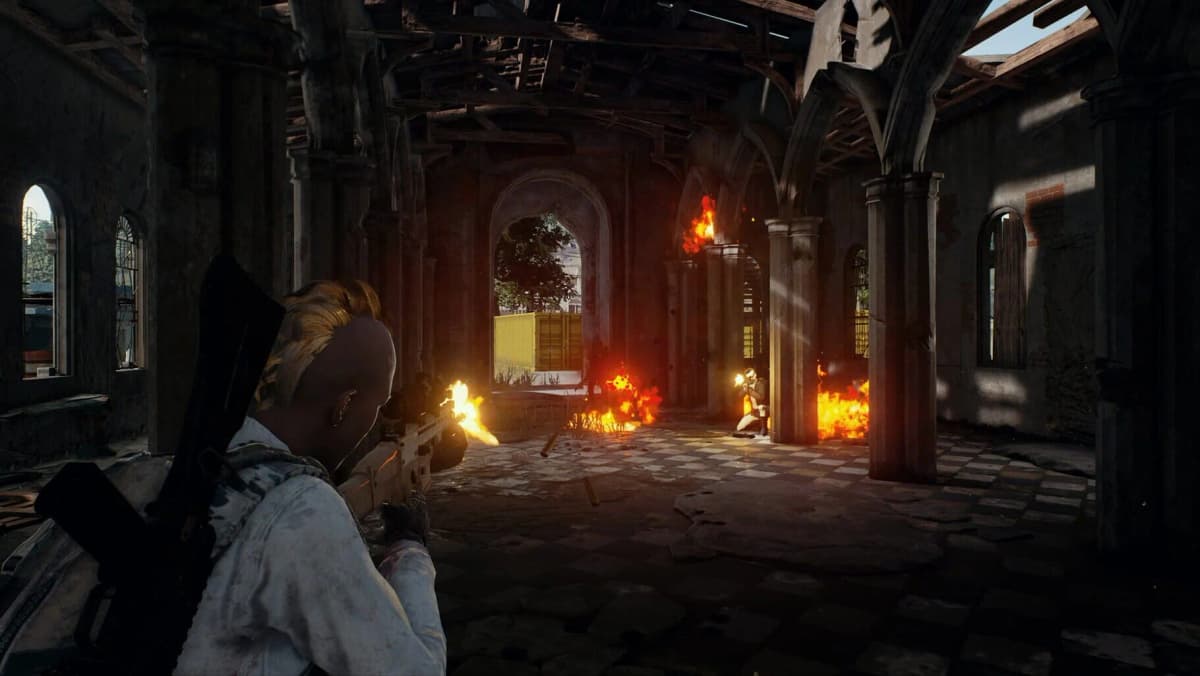
But I’ll judge this move by the patch notes that follow. If we don’t see measurable gains—fewer console crashes, clearer stability targets, and maybe even improvements to desync perception—then this will read like an operational cost cut, not a player-first decision. Show us the boring wins, and the community will meet you halfway.
TL;DR
PUBG drops PS4 and Xbox One on November 13, 2025, shifting fully to PS5 and Series X|S. Your progression and purchases carry over, Xbox gets Smart Delivery, and PS5 owners must install the new version. If this move delivers fewer crashes and steadier frames, it’s the right call—now it’s on Krafton to prove it.