
PUBG’s creator is launching a brutal survival sim this week—and it’s not what you think
Game intel
Prologue: Go Wayback!
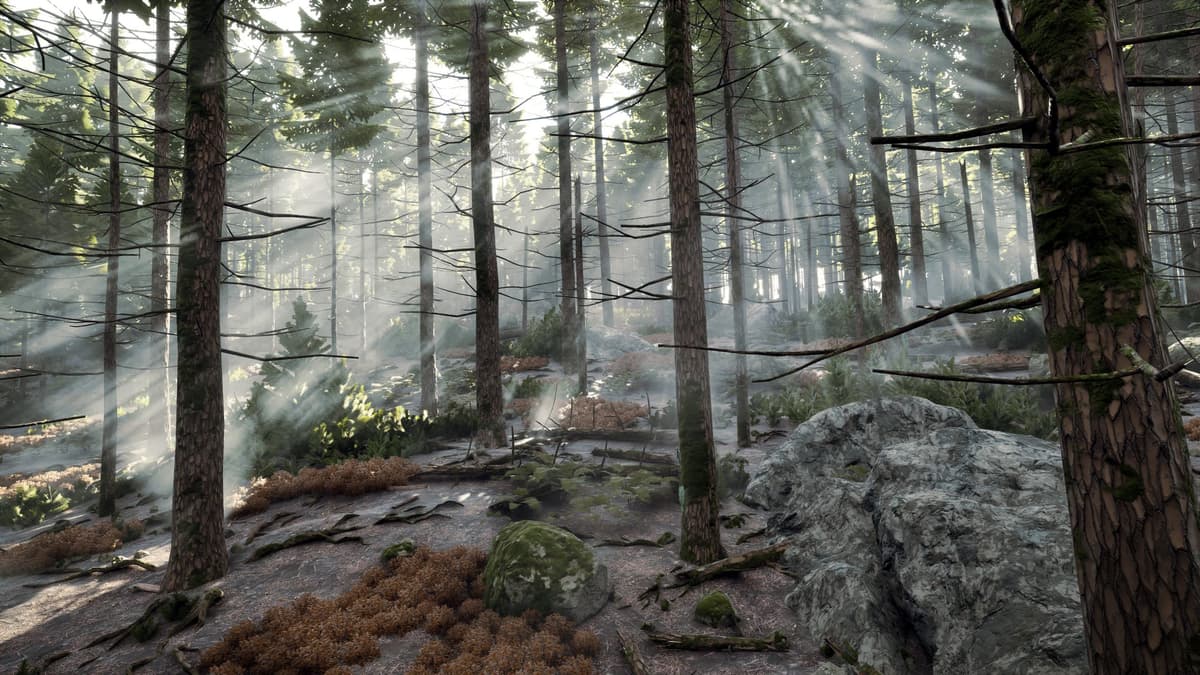
Prologue: Go Wayback! is a single-player open-world emergent survival roguelike where every journey is unique. Traverse a new wilderness that is generated for…
Why this survival launch actually matters
Most survival games shove you into a forest with cannibals, zombies, or mutant wildlife and call it a day. Prologue: Go Wayback, the new project from PUBG’s creator Brendan Greene, cuts all that noise. The enemy here isn’t a monster-it’s the environment. With early access arriving this week on PC, this “strip-it-back” survival sim is betting on permadeath, procedural maps, and resource scarcity over spectacle. That caught my attention because it’s been a minute since a big-name developer leaned into the brutal, grounded survival loop that made The Long Dark such a cult favorite-without leaning on horror clichés or raid-heavy PvP like Rust.
Key takeaways
- Nature is the killer: hunger, thirst, cold, and terrain matter more than monsters or jump scares.
- Every run is a new map: procedural generation plus cleaner visuals aim to keep repetition at bay.
- Expect a lean 1.0 slice: early access focuses on core survival, with improved pathing, expanded construction, and new modes on the roadmap.
- Big swing tech: “Project Artemis” teases machine-learning world gen scaling toward massive worlds-cool idea, but believe it when we see it.
Breaking down what’s actually in early access
At launch, Prologue keeps the feature list tight: you’re managing hunger, thirst, temperature, and health while you scavenge, craft basic tools, and hunker down before the weather turns on you. Permadeath means bad decisions aren’t just a slap on the wrist—when you go, that run’s map goes with you. The appeal is the unknown: new biomes, new resource pockets, and shifting hazards each time you spawn. Wildlife is present but not the headline; think credible threats that force you to read the environment, not bullet-sponge boss fights.
It’s intentionally sparse to start. Construction is in but limited, with the studio committing to expand it post-launch—better snapping, more materials, and actual reasons to build beyond “don’t freeze to death.” Navigation, pathing, and traversal are flagged for big iteration too, which is smart; if the map is the antagonist, it needs to feel consistent and readable. The team has also teased additional modes down the line, including competitive flavors, but day one is about pure survival. If you’re coming from base-raiding chaos, temper expectations. If you love clawing your way through a blizzard with one match left, you’re the target audience.
Why this approach stands out in 2025
Survival is having another moment, but a lot of projects chase the same loop: kill mobs, loot tiers, slap down a castle, repeat. Prologue goes the other direction. By stripping the threat model down to weather, wildlife, and resource scarcity, it leans into tension you can’t out-DPS. That’s harder to get right than it sounds; scarcity needs to punish without feeling cheap. The good news is Greene understands emergent systems—PUBG worked because small rules created big stories. If Prologue nails the “micro-drama” of decisions (press on to that ridge for shelter or break for water now?), it could stand apart from the crowd.
Visually, the game looks cleaner than the prototype footage we’ve seen over the years—still stylized, but not placeholder. That matters in a survival sim where reading the world is half the skill. If the wind, snow, and skybox actually telegraph danger—and you can trust tracks, sounds, and silhouettes—players will forgive the lack of monsters. If those cues feel muddy, frustration will spike fast.
The real story behind Project Artemis
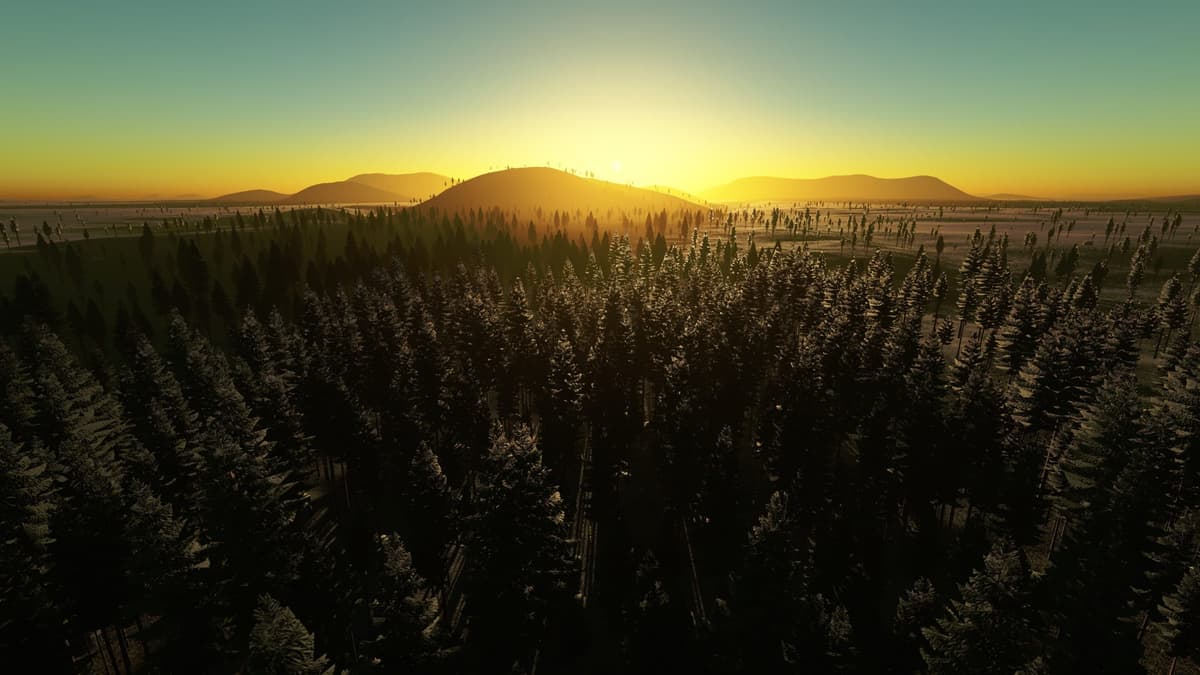
Greene’s long-term pitch, Project Artemis, is ambitious: machine-learning tools and simulation systems that scale world generation toward planet-sized spaces. It’s the kind of claim that makes eyes roll after the “metaverse” era, but buried under the buzzwords is a genuinely useful goal—smarter terrain, better navigation meshes, and more believable ecosystems generated at scale. In a survival game, that could mean less handcrafted corridor maps and more organic, navigable wilderness that still feels authored.
Here’s the reality check: early access Prologue is a thin slice, not a metaverse. If Artemis tech quietly improves pathfinding, biome variety, and performance in the coming months, that’s a win. If the conversation drifts to “planet-sized” anything before the core loop is ironclad, that’s a red flag. Deliver the small, meaningful upgrades first—smarter animal behavior, sensible spawn logic, and weather you can read—and players will stick around for the big ideas.

Want to Level Up Your Gaming?
Get access to exclusive strategies, hidden tips, and pro-level insights that we don't share publicly.
Ultimate Gaming Strategy Guide + Weekly Pro Tips
What gamers should watch for on day one
- Balance of scarcity vs. fairness: Do you die because you ignored signals—or because the game blindsided you?
- Procedural map quality: Are layouts interesting and legible run-to-run, or a maze of samey valleys and dead ends?
- Construction usefulness: Can basic shelters meaningfully change your odds, or is it busywork until updates land?
- AI and pathing: Do animals behave believably, and does terrain traversal make sense, especially in storms?
- Performance stability: Procedural worlds love to hitch; frame pacing and save integrity matter in permadeath runs.
- Mode cadence: New modes, PvP variants, and deeper progression need to arrive on a consistent, transparent schedule.
If your happy place is methodical, high-stakes survival, Prologue looks like a strong foundation. If you’re here for social chaos and base raiding, you might want to wait until the new modes hit. Either way, the early access promise is clear: iterate on traversal and pathing, extend construction into actual strategy, and keep the environment—not monsters—the star of the show.
TL;DR
Prologue: Go Wayback launches into early access this week with a no-gimmicks survival loop built on procedural maps and permadeath. The roadmap talks smarter pathing, deeper construction, and new modes, while Project Artemis teases big AI-assisted world gen. If the team nails readable danger and fair scarcity, this could be the most refreshing survival shake-up we’ve had in years.