
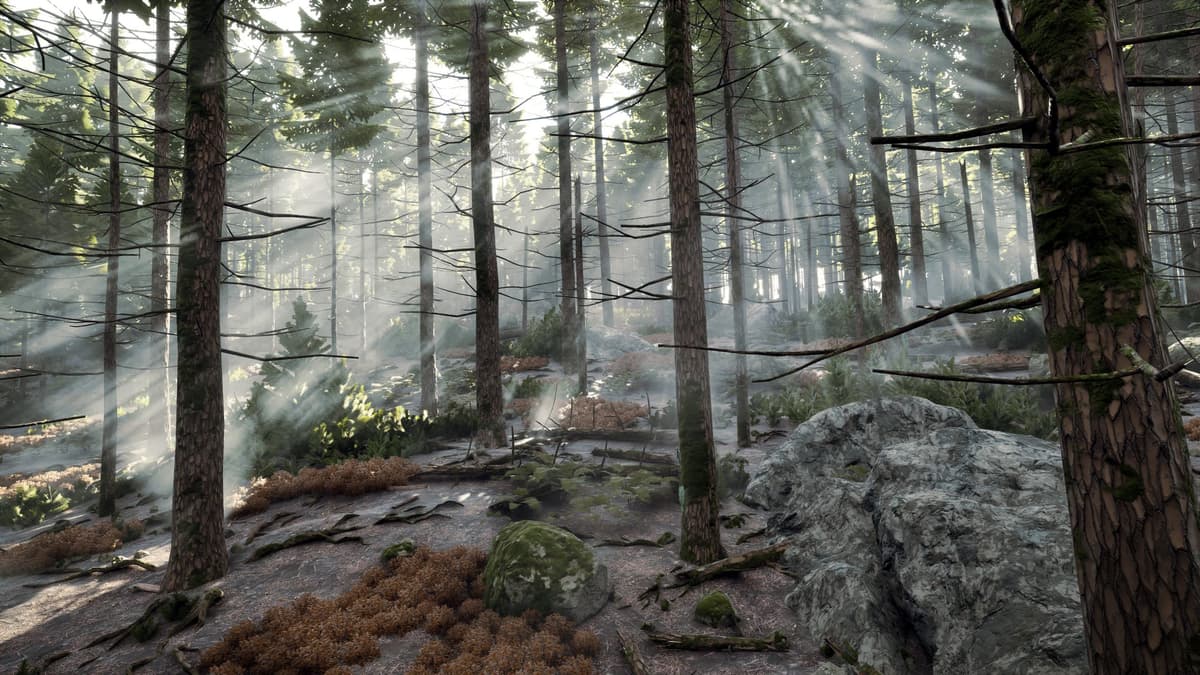
PUBG’s creator just launched Prologue: Go Wayback!—and the boldest feature isn’t the price
Game intel
Prologue: Go Wayback!
Prologue: Go Wayback! is a single-player open-world emergent survival roguelike where every journey is unique. Traverse a new wilderness that is generated for…
Why this launch actually matters
Brendan “PlayerUnknown” Greene didn’t return with another battle royale. Instead, he dropped a brutal, first-person survival roguelike that pits you against cold, hunger, thirst, and the clock-no PvP safety net, no hand-holding. Prologue: Go Wayback! is out in Early Access on Steam and Epic for $20, and the hook isn’t just its punishing vibe; it’s how much control it hands players before you even spawn, plus a surprisingly deep map editor on day one. This caught my attention because it feels like Greene circling back to the emergent sandbox spirit that birthed DayZ and PUBG-only now the enemy is the world itself.
Key takeaways
- It’s a pure survival play: manage temperature, thirst, and hunger across procedurally generated, 64-square-kilometer maps with dynamic weather and a full day-night cycle.
- Three modes at launch-Go Wayback!, Objective: Survive (hardcore scarcity), and Free Roam—plus granular pre-run sliders for weather, temperature, and time of day.
- A built-in map editor lets you shape worlds (even from image templates), hinting at a creator-driven ecosystem straight out of the Arma/DayZ mod era.
- Roadmap features—crafting, climbing gear, and clothing degradation—aren’t in yet, so expect a leaner loop at launch.
- First-person only with minimal HUD: you’ll read compasses and watch the skies, not stare at a minimap.
Breaking down the announcement
Go Wayback! is built in Unreal Engine 5 and leans on Greene’s large-scale world tech (the Artemis project) to stitch together new maps every run. It’s roguelike by design—die, and that seed is gone, replaced with a fresh hellscape of different terrain, resource placement, and weather patterns. The survival loop is stripped down and serious: stay warm, stay hydrated, eat, and pick your moments. Night can be lethal. Storms can erase your plans. There’s no sprawling UI to save you; navigation lives in the tools you find and the environment you read.
Modes are smartly scoped. The standard Go Wayback! aims for the intended experience; Objective: Survive cranks scarcity until every decision hurts; Free Roam dials back the pressure so newcomers can learn the systems without immediately faceplanting. The pre-run customization is a quiet game-changer too: want a miserable blizzard crawl or a gentle hike at golden hour? You decide before you click “start.”
The real curveball is the map editor. You can import images as templates or build from scratch, then throw yourself (or your friends) into those worlds. If you remember how Arma mods snowballed into DayZ—and DayZ’s DNA leading to PUBG—you know why this matters. Greene tends to ship sandboxes that communities reshape. Giving players world-building tools on day one could extend the game’s life far beyond whatever ships in the core loop.
Why this matters now
Survival games are having another moment, but the successful ones pick a lane: The Long Dark perfects environmental storytelling and punishment; Valheim leans into base-building and co-op progression; Subnautica makes exploration the hero. Go Wayback! plants its flag firmly in the “environment is the antagonist” camp. That’s bold in 2025, when a lot of survival fans expect crafting trees, base-building, and cozy downtime loops to balance the pain.
Greene’s pitch is scale and emergence powered by tech—but with a human-first mindset. The procedural system arranges content rather than replacing artists, aiming for big, variable spaces that still feel authored. If it works, we could see survival games push beyond handcrafted biomes without sliding into bland, copy-paste terrain. If it doesn’t, you get a pretty, empty hike with meters to babysit. The line between “immersive minimalism” and “underbaked” is thin.
Want to Level Up Your Gaming?
Get access to exclusive strategies, hidden tips, and pro-level insights that we don't share publicly.
Ultimate Gaming Strategy Guide + Weekly Pro Tips
The gamer’s perspective: hype vs. headaches
I love the no-HUD, use-your-wits approach. Reading a compass, picking a route by starlight, and timing a sprint between storms scratches the same itch The Long Dark’s Interloper mode does. But let’s be real: shipping Early Access without crafting or climbing will split the audience. Without even basic crafting, survival can feel like scavenging in circles rather than growing a run. And if you’re a base-building gremlin from Valheim or Grounded, today’s build probably isn’t your jam yet.
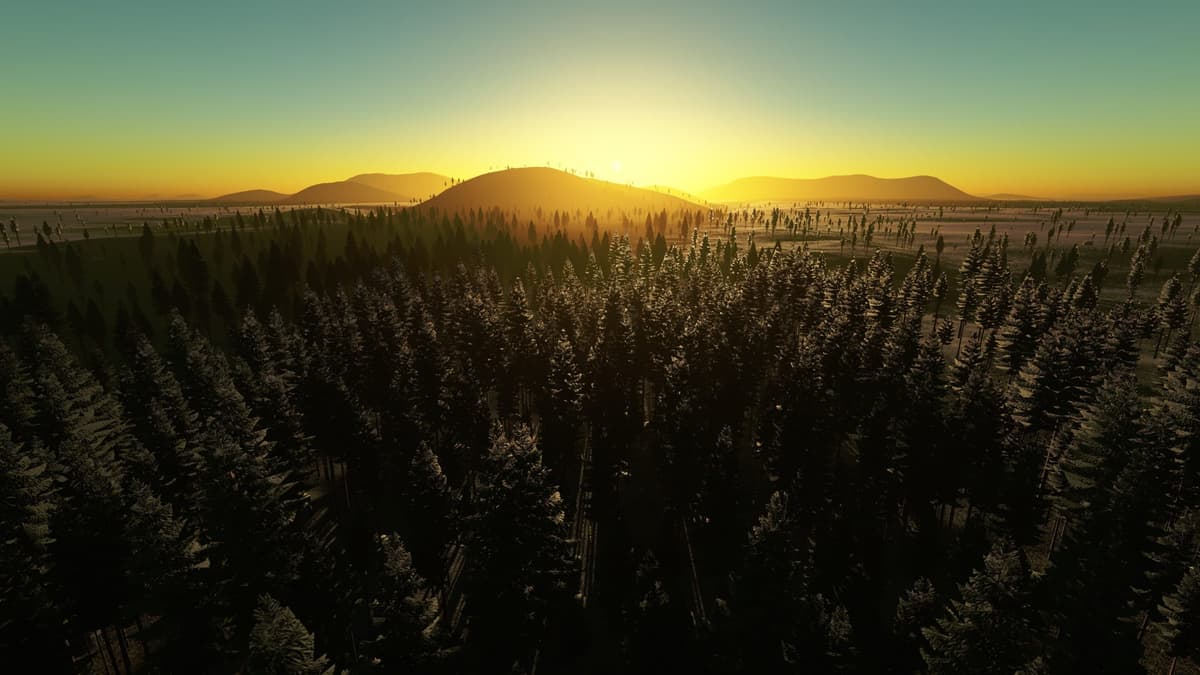
Performance is another question mark. UE5 and large procedural worlds can get spicy on mid-range rigs, and there aren’t final specs to point to. It’s PC-only for now (Steam and Epic), which makes sense for this kind of iteration-heavy development, but it also means controller-first console players will be watching streams before they buy in.
The $20 price is fair for an experiment from the guy who helped define the last decade of multiplayer trends. Just understand the pitch: this is about mastering systems and surviving the elements, not stacking loot for a raid or posting YouTube PvP highlight reels. I’m excited by the day-one map editor and the pre-run sliders; I’m skeptical until crafting, climbing, and clothing wear land. Give me the moment where a storm tears my jacket and forces an improvised fix—or the run is over. That’s the drama this design is built for.
Looking ahead
The roadmap reads well: deeper weather, crafting, climbing gear for verticality, and degradable clothing that adds long-term gear management. If PlayerUnknown Productions hits those beats quickly and leans into community creations via the editor, Go Wayback! could build the kind of emergent story factory Greene is chasing. If updates lag or the systems don’t meaningfully interact, it risks being “pretty frostbite simulator” and not much else.

For now, here’s the honest advice. If you thrive on harsh, minimalist survival where every degree of temperature matters, jump in and help shape it. If you need crafting trees and cozy base-building to balance the pain, wishlist it and check back once the roadmap delivers.
TL;DR
Prologue: Go Wayback! is a bold Early Access pivot from PUBG’s creator: tech-fueled, first-person survival where the world wants you dead. The day-one map editor is the sleeper feature, but with crafting and climbing still en route, cautious survival fans might want to wait a few patches.