
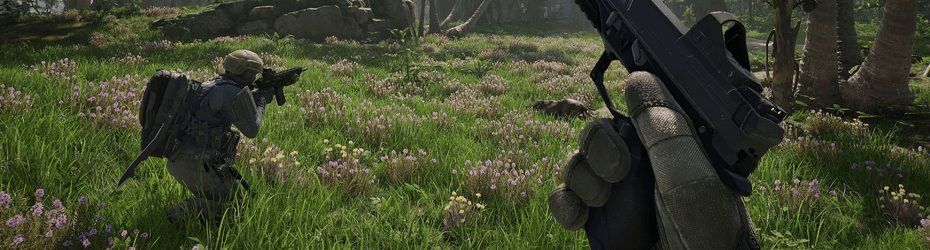
PUBG’s bold 45-player extraction mode feels surprisingly tense
Game intel
PUBG: Black Budget
PUBG: Black Budget is an extraction shooter built around tension, survival, and the unknown. Join a classified operation and uncover the secrets of a mysteriou…
PUBG just went extraction-shooter. Here’s why that actually matters.
When Krafton and PUBG Studios announced PUBG: Black Budget, my first reaction was equal parts “finally” and “really?” Finally, because PUBG’s weighty gunplay has always begged for a risk-and-reward sandbox. Really, because dropping 45 players into a roughly 2.5 km² map for 30-minute raids is a bold, chaotic swing for a genre that usually thrives on tension and space. If you’ve wanted Escape from Tarkov’s stakes with PUBG’s ballistics, this might be the closest we’ve seen—if the pacing doesn’t break the fantasy.
Key Takeaways
- First-person extraction-shooter: enter as a “Contractor,” loot high-tech artifacts, and extract or lose everything.
- 45 players, 30-minute raids, 2.5 km² map—far denser than most titles in the genre.
- Closed betas on Steam run Dec 12–14 and Dec 19–21; console dates remain unannounced.
- Big questions: pacing, economy design, anti-cheat measures, and whether the time loop adds real depth.
What Makes Black Budget an Extraction-Shooter?
An extraction-shooter is a game where you drop into a hostile zone, gather valuable loot or intel, and must reach specific extraction points alive to keep your haul. If you die before hitting the exit, you lose everything you brought in. Unlike battle royales that shrink zones until one player or team remains, extraction games focus on tactical play, stealth, and risk management against both AI and real players.
Black Budget borrows that loop but layers on PUBG’s signature ballistics, recoil modeling, and attachment depth. You’ll gear up in pre-match lobbies, choose your kit, and debate whether to spend on a top-tier rifle or save for healing supplies. That decision-making—knowing one wrong peek around a corner ends your run—is the hook extraction fans crave.
Breaking Down the Announcement
At its core, Black Budget shifts PUBG’s framework from last-team-standing toward “extract or lose it all.” You play as a Contractor sent to an island trapped in a time loop, giving each 30-minute raid a self-contained narrative beat. With 45 players in 15 three-person squads, you’ll scramble for tech prototypes, medical samples, and classified comm pads before an extraction beacon callout forces a final showdown.
So far, the studio has confirmed the play area clocks in at around 2.5 km², and there are multiple extraction zones that may rotate weekly. But details on persistent stashes, death penalties, and seasonal wipes remain under wraps. Those back-end economy systems will ultimately define how much tension and reward each raid delivers.
Why the Timing Couldn’t Be Better
The extraction-shooter genre feels prime for a major shake-up. Escape from Tarkov laid down a hardcore blueprint, Hunt: Showdown added an atmospheric twist, and Call of Duty: DMZ briefly flirted with a more accessible approach. Yet no franchise with PUBG’s mainstream reach has fully embraced these mechanics—until now.
With millions already accustomed to PUBG’s loot-and-shoot loops, Black Budget enters a market eager for polished gunplay and tighter game loops. Those shorter, objective-driven sessions promise lower downtime between fights and a more focused gameplay loop—a welcome change if you’ve ever spent 20 minutes hiking from Pochinki to the final circle only to get third-partied.
45 Players in 2.5 km²: Crunching the Numbers
Density is where things get interesting—and contentious. A typical extraction match in titles like Tarkov hosts around 10–15 players in a similar footprint. Black Budget triples that population, pushing density to roughly 18 players per square kilometer. By comparison, Escape from Tarkov averages five players per km².
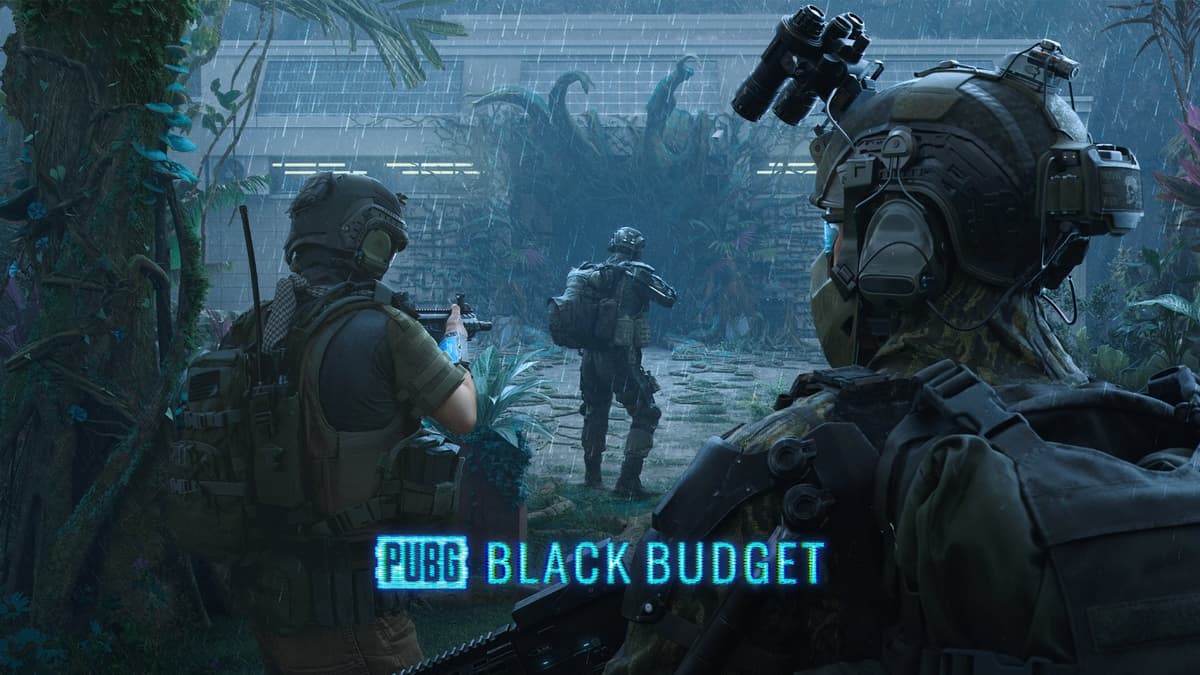
With that density, you’re looking at an estimated first contact every 8–12 minutes, assuming random movement. That ups the pace but risks spilling over into battle-royale-style firefights rather than slow-burn infiltration. To counteract that, PUBG Studios could implement staggered spawns, hot zones with higher-value loot tucked away behind tougher AI, and rotating extraction windows that open or close at set intervals to funnel squads into conflict at key moments.
Want to Level Up Your Gaming?
Get access to exclusive strategies, hidden tips, and pro-level insights that we don't share publicly.
Ultimate Gaming Strategy Guide + Weekly Pro Tips
Economy and Progression: More Than Just Loot
Extraction games live or die by their economy. A persistent stash gives players a safety net—they stash a rare optic here, an extra mag there, and slowly build power over raids. If deaths are too punishing with full loot loss and no insurance, runs feel brutal. If wipes happen too often, progression feels hollow.
In Black Budget, we don’t yet know if your haul carries over between sessions or if seasonal resets will wipe stashes. The ideal middle ground is a “soft wipe” at the end of each season—players keep cosmetic items and attachments but must re-earn high-end weapons through challenge-based unlocks or in-match research. Cosmetic monetization in free-to-play titles also needs balance; pay-to-win shortcuts would kill trust fast—cosmetics and XP boosts should never override raw gameplay fairness.
Anti-Cheat, Stability, and Fair Play
PUBG on PC has had its run-ins with desync, server instability, and cheaters. In an economic system where one unfair kill means losing everything, anti-cheat measures can’t be an afterthought. Krafton will likely lean on its in-house anti-cheat alongside partners like BattlEye, but visible enforcement—regular ban waves, in-client stats on cheat reports, and transparency around hit registration fixes—will build player trust.
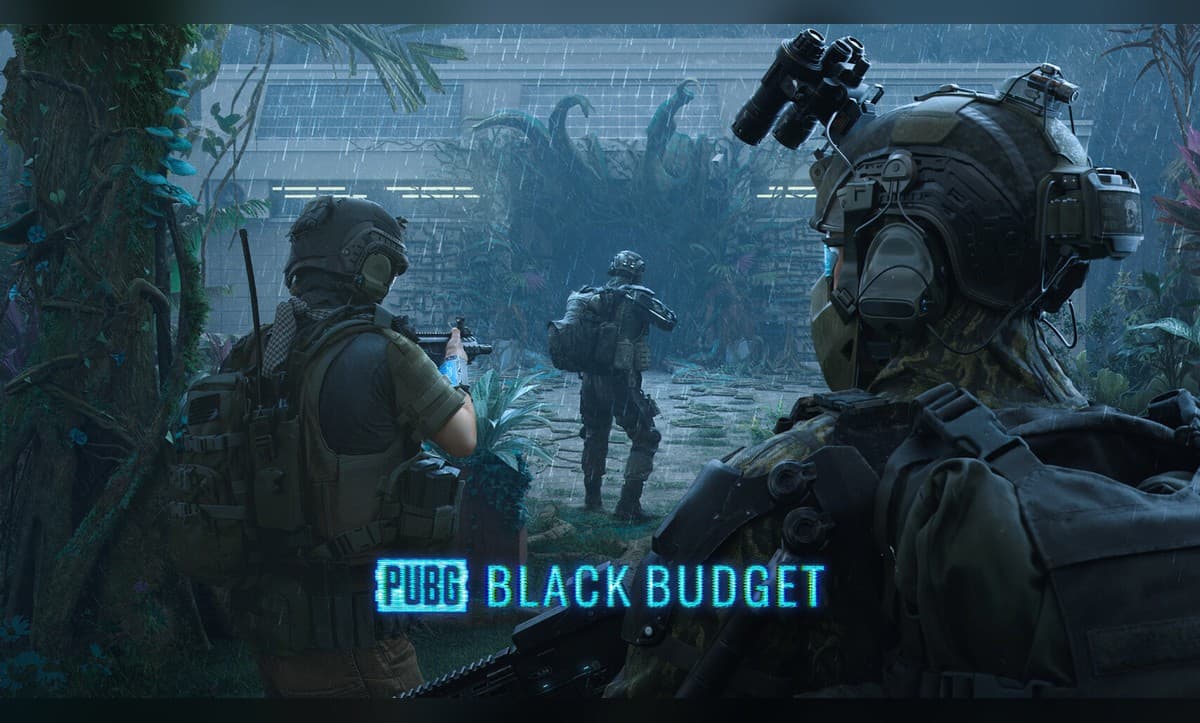
Server stability and netcode improvements are equally crucial. Extraction shooters demand precise audio occlusion for footsteps, bullet impacts, and directional cues. If you can’t trust what you hear, that claustrophobic tension vanishes. Technical hiccups in the December beta will be under the microscope more than ever.
Beta Checklist: What to Test
- Pacing and density: Does 30-minute gameplay feel frantic or well-paced? Look for lull moments and chokepoints.
- Loot ecosystems: How dense is the loot? Do rarer items feel rewarding but scarce enough to stay meaningful?
- Spawn logic: Are squads landing on top of each other? Periodic staggered spawns could ease early chaos.
- Extraction mechanics: How many exit points? Are they predictable or do they rotate per match?
- Economy flow: Track one raid’s haul—did you feel the risk/reward balance was fair?
- Audio clarity: Test footsteps on different surfaces and vertical engagements—can you pinpoint sources?
- Anti-cheat response: Report any obvious cheats. Note how quickly the team addresses reports.
Conclusion
PUBG: Black Budget is a bold pivot for a franchise known for shrinking circles. Its success hinges on nailing that extraction balance: enough player density to keep the action alive without drowning the stealth and tension that define the genre. If the December beta nails pacing, economy, and anti-cheat stability, this could be the extraction game that finally bridges mainstream appeal and hardcore stakes.
I’m cautiously optimistic. A strong showing in these key areas might just give PUBG the second wind it needs—and offer a surprisingly smooth entry point for players looking to dive into extraction shooters.