
Quantic Dream’s first multiplayer beta drops — but the PC specs and F2P model raise flags
Game intel
Spellcasters Chronicles
CAST. FLY. FIGHT. COOPERATE. In intense 3V3 action-strategy battles, summon hundreds of creatures, cast devastating spells, and call upon the might of Titans t…
Why this Closed Beta actually matters (and why it caught my attention)
Quantic Dream running a closed beta for Spellcasters Chronicles is notable not because of the dates on the calendar, but because this is the studio’s first serious step into multiplayer, free-to-play territory. That alone changes the kinds of design choices and trade-offs players should expect: live balance, progression loops, and monetization will matter as much as narrative polish. This caught my attention because Quantic Dream built its reputation on single-player storytelling – seeing them pivot to a team-based action-strategy game is bold, and potentially risky.
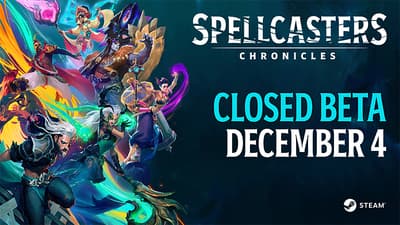
- When: Closed Beta Weekend, Dec 4 15:00 UTC – Dec 8 09:00 UTC (Steam, EU/NA registrants by selection)
- What’s playable: six Spellcasters, the Mausoleum arena, plus an initial deck-building pool (11 creatures, 8 spells, 2 buildings, 2 titans)
- Big questions: unusually high PC requirements (32GB RAM), how F2P systems will work, and whether a small initial card pool will show real strategic depth
Breaking down what you’ll actually get in this beta
The sandbox for this first test is compact by design: six Spellcasters that serve as archetypes, a single arena called the Mausoleum, and a limited roster of cards and units. That’s not a bug – it’s a feature. Starting small lets the team iterate quickly on balance and tech, and it keeps feedback focused. But it also means you shouldn’t judge the game’s long-term variety off this build.
- Spellcasters: Swamp Witch (swarm/late-game), Astral Monk (burst), Iron Sorcerer (structures), Fire Elementalist (aggression/mobility), Mystic Scribe (support), Stone Shaman (defense).
- Card pool: 11 creatures, 8 spells, 2 buildings, 2 titans — a tight kit that will highlight whether deck archetypes feel distinct or repetitive.
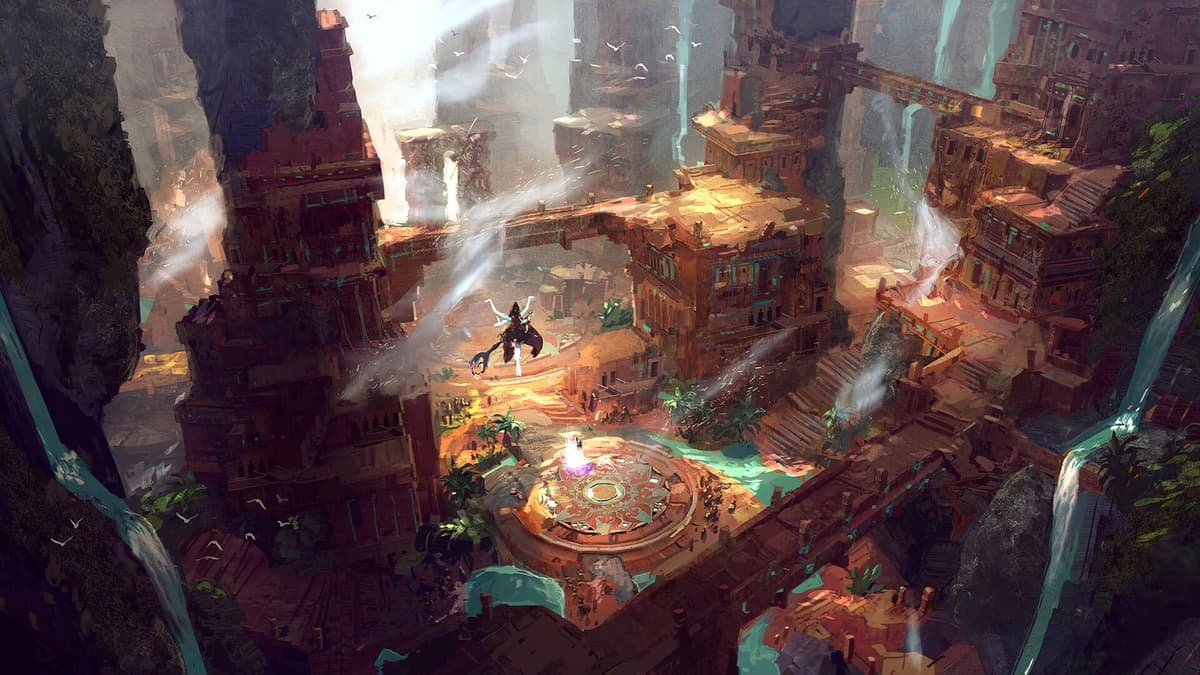
- Arena: Mausoleum — one environment for now, but arenas shape lane dynamics and vision, so expect them to be stress-tested heavily.
From a gameplay lens, the Spellcasters’ passive leanings (each nudging you toward certain cards) looks like a clever way to make deck-building meaningful while avoiding a “one-size-fits-all” spam meta. The trade-off: if the card pool is too small, those passives could funnel players into obvious, dominant builds.
Why this move is significant for Quantic Dream and the wider industry
Quantic Dream is known for Heavy Rain and Detroit: Become Human — narrative heavyweights that leaned on cinematic single-player. Moving into live multiplayer is part of a broader trend: established single-player studios chasing retention and recurring revenue. That’s understandable in 2025, but it changes design priorities. Will the studio keep its storytelling strengths while supporting a live, balanced multiplayer economy? That’s the cliffhanger here.
Want to Level Up Your Gaming?
Get access to exclusive strategies, hidden tips, and pro-level insights that we don't share publicly.
Ultimate Gaming Strategy Guide + Weekly Pro Tips
What players should test and complain about — the things that really matter
If you get access, don’t just play matches — play with an eye for the systems that will make or break a live multiplayer game.
- Balance and pacing: Are titans and buildings ruining lane tempo? Does one Spellcaster feel mandatory?
- Deck diversity: Can the 11 creatures + 8 spells create interesting synergies, or are combos obvious? Test edge-case builds.
- Tech stability & matchmaking: Look for latency, server drops, and whether matchmaking pairs players fairly across skill and deck depth.
- UI and onboarding: Deck-building should be approachable — if it’s clunky, that’s a big barrier for retention.
- Monetization signals: Watch for currency balance, progression gates, and any store hooks in the beta client — that will shape the live game more than hero art.
One eyebrow-raise from the specs: the minimum and recommended builds both list 32GB of RAM. That’s unusually high for a beta of a team-based game and could limit tester participation or point to heavy memory use from assets or server-side telemetry. Expect PC players to flag this quickly.
Looking ahead
Quantic Dream says a second Closed Beta is planned early next year with more content. That’s good — iterative testing is exactly what a studio needs when switching genres. For players, the sensible approach is to sign up, test with purpose, and take early impressions with a grain of salt. This beta is about systems, not the full experience.
TL;DR: Spellcasters Chronicles’ first closed beta is worth joining if you care about how a narrative-focused studio handles live multiplayer design. Expect a tight, test-focused build, ask hard questions about balance and monetization, and don’t judge the long-term potential on this weekend alone.