
Table of Contents (6)
Why this beta actually matters – and why I’m skeptical
This caught my attention because Quantic Dream isn’t the studio you expect to launch a free-to-play, competitive deck-builder. Known for Heavy Rain and Detroit: Become Human, they’ve built a reputation for single-player narrative experiments – not live-service PvP. Their first worldwide closed beta for Spellcasters Chronicles (Dec. 4-8 on Steam, EU and North America only) is a meaningful pivot. It’s the first time players can try the core multiplayer loop, but the details – especially the PC specs — raise red flags about who will actually be testing.
- Short window: Dec. 4-8 closed beta on Steam for selected EU & NA players.
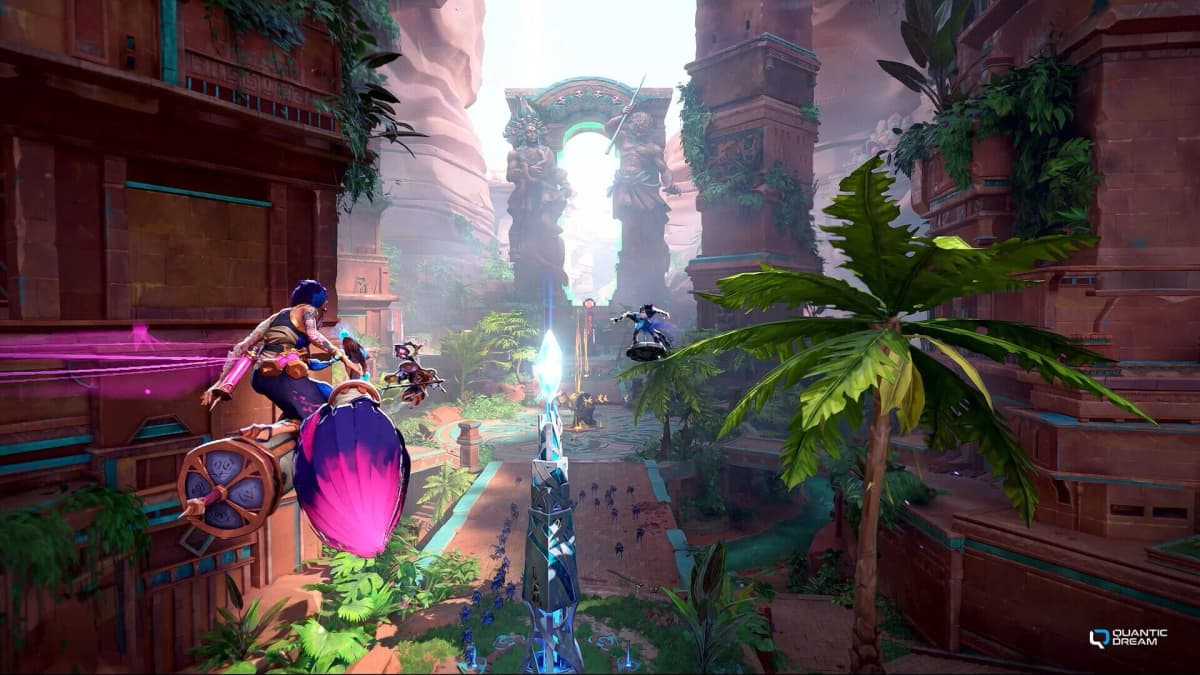
- Playable content: six Spellcasters, one arena (Mausoleum), and a first card set (11 creatures, 8 spells, 2 buildings, 2 titans).
- Hardware oddity: minimum 32 GB RAM and Windows 11 — a high bar that will limit testers.
- Second beta planned for early 2026; studio promises iterative community-driven development.
Breaking down what’s in the beta
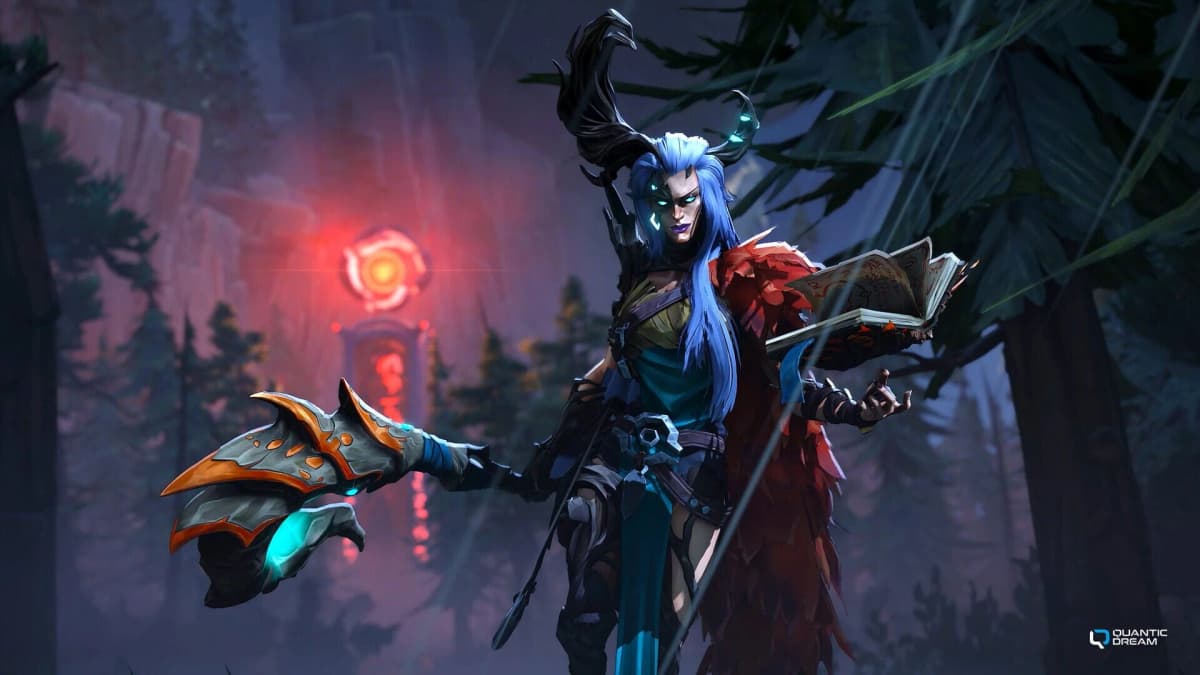
For those lucky enough to get in, the beta focuses on the core deck-building duel: six Spellcasters each representing distinct archetypes. They’re not just flavor text — Quantic Dream says each archetype will shape deck strategies, which is the foundation of any lasting card game. The lineup is a clear attempt to cover the usual bases:
- Swamp Witch: summons and late-game finishers.
- Astral Monk: heavy offensive spells and burst damage.
- Iron Sorcerer: structure- and lane-control decks.
- Fire Elementalist: aggressive, mobile, quick spell rotation.
- Mystic Scribe: support and survival tech.
- Stone Shaman: defensive play and board reinforcement.
The Mausoleum arena and the first card pool (11 creatures, 8 incantations, 2 buildings, 2 titans) are deliberately small for a first test — enough to explore core interactions without flooding players. That’s sensible design for early testing. What matters now is whether those interactions are deep and balanced enough to hint at long-term viability.
Why the hardware requirements are a weird hill to climb
Quantic Dream posted surprisingly high system requirements: both minimum and recommended builds list 32 GB of RAM and Windows 11. Requiring 32 GB as a minimum for a card-based multiplayer game is unusual — even many modern single-player titles don’t demand that much. This has two immediate consequences: the beta pool skews toward high-end rigs, and feedback may come from players with top-tier hardware only, which can mask performance issues on more common setups.
Timing is awkward too. RAM prices have climbed in recent months thanks to AI-driven demand, making a 32 GB minimum feel tone-deaf if Quantic Dream’s goal is broad testing. If they genuinely need that memory for technical reasons, they should explain why — otherwise it looks like an unnecessary gate.
What this means for monetization and the game’s future
Spellcasters Chronicles is Free to Play, which immediately invites questions: how will its card economy work? Will progression be fair or pay-to-win? Quantic Dream promises community collaboration — Gregorie Diaconu, the game director, put it plainly: “We want to listen, improve quickly and shape the experience with our players. This first closed-beta weekend is the opening chapter.” That’s the right public posture, but the studio will need transparency around currencies, pack odds, and any “shortcut” monetization to avoid community backlash.
Quantic Dream’s move into F2P PvP also fits broader industry trends — even narrative houses are chasing steady-revenue live services. That doesn’t inherently doom the project, but it raises the stakes. If they can translate their polish and design sensibility into a fair, tactical deck game, it could be interesting. If not, the community will be unforgiving.
How to participate — and what to expect
Sign-ups are open on the Steam page and official site; unselected players remain eligible for future sessions. Expect a short play window, focused feedback prompts, and an emphasis on balance rather than content volume. The next beta, slated for early 2026, should expand classes, arenas, and cards — but whether Quantic Dream responds to the right problems depends on who they hear from now.
TL;DR
Quantic Dream’s Spellcasters Chronicles beta is a bold and surprising step into F2P multiplayer. The playable build looks promising from a design standpoint, but the 32 GB RAM minimum, region limits, and looming monetization questions mean this test could tell us more about the studio’s ambitions than the game’s final quality. If you care about the long-term health of a potentially big new card game, sign up — but don’t be surprised if the first impressions are shaped by a wealthier slice of players.
FinalBoss // Gear
Level up your setup
01Top-rated gaming headsetson Amazon→02High-refresh gaming monitorson Amazon→03Gaming chairson Amazon→04Discounted game keyson Kinguin→Affiliate links · As an Amazon Associate, FinalBoss earns from qualifying purchases.
Want to Level Up Your Gaming?
Get access to exclusive strategies, hidden tips, and pro-level insights that we don't share publicly.
Ultimate Gaming Strategy Guide + Weekly Pro Tips