
Quantic Dream’s Spellcasters Chronicles: Bold Pivot or F2P Spellstorm?
Game intel
Spellcasters Chronicles
CAST. FLY. FIGHT. COOPERATE. In intense 3V3 action-strategy battles, summon hundreds of creatures, cast devastating spells, and call upon the might of Titans t…
Why This Announcement Actually Matters
Quantic Dream-the studio synonymous with branching narratives like Detroit: Become Human and Heavy Rain-just announced a free-to-play 3v3 action-strategy game called Spellcasters Chronicles. That sentence alone stopped me mid-scroll. After a decade of cinematic, single-player stories, Quantic Dream is pivoting to a competitive, live-service battleground with vertical flight, deck-building, and map objectives. In 2025, that’s a gutsy move. It could be a smart reinvention… or a very expensive detour into a market littered with failed hero shooters.
- 3v3 matches mix third-person combat with RTS-flavored control and a flexible deck of 50+ spells across seven magic schools.
- Full-on vertical flight adds airspace skirmishing and macro positioning on top of ground fights.
- Team roles (healer/tank/assault), Titans as match-swinging summons, and objective play (altars and “Lifestones”).
- F2P on PC with cosmetic monetization; first gameplay at TwitchCon San Diego, closed beta planned before end of 2025.
Breaking Down the Announcement
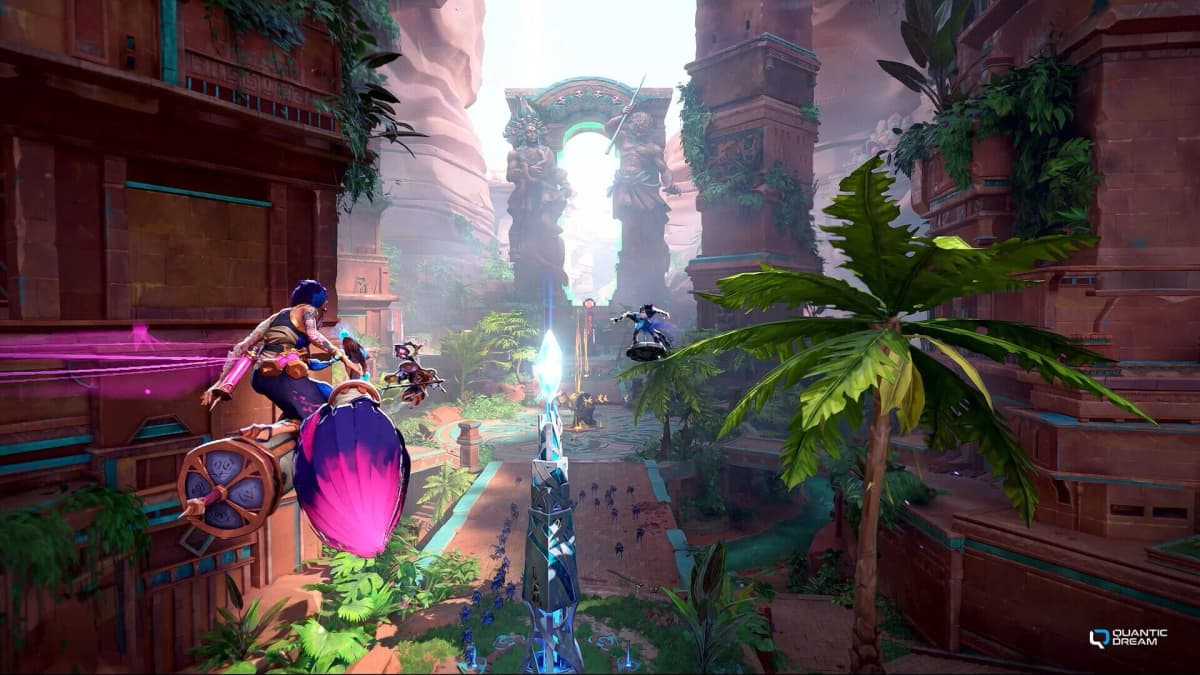
Spellcasters Chronicles drops two teams of three mages into matches that cap at 25 minutes. You capture altars and smash the enemy’s Lifestones while juggling a custom deck of spells and summons. The moment-to-moment play is third-person action-aim, dodge, cast—while the deck-building sits under the hood, shaping your toolkit before you queue. Quantic is promising 50+ spells spread across seven magic schools and archetypes to anchor team play: healer, tank, and assault.
Two systems stand out. First, real-time flight. You can rise above the arena to reposition, call plays, or pounce from angles that don’t exist in flat MOBAs. Verticality can be a meta-maker if they nail camera control and target clarity. Second, Titans—pre-selected, colossal summons you trigger at clutch moments. Think of them as a team’s tempo reset or win-condition, closer to a MOBA ultimate than a lane boss.
Quantic says the game’s first live showcase lands at TwitchCon San Diego on October 17, 2025, with exhibition matches and dev interviews. The plan is a closed beta before the end of 2025. It’s launching on PC via Steam with a cosmetics-focused model, which is the only sane path for a deck-builder hybrid that can’t sell power without burning trust.
The Real Story: Reinvention with Risk
Let’s be blunt: the competitive F2P arena is brutal. Sony’s Concord faceplanted, and Bungie’s Marathon hype cooled before a release date even landed. Players are tired of live services that launch empty and hope to patch in fun. So Quantic Dream is wading into a shark tank with brand equity that wasn’t built on PvP. That said, their production values are real—if the in-house tech delivers smooth netcode, responsive casting, and readable VFX, they’ve got a shot to cut through the noise.
My immediate concern is readability. Vertical flight, AOEs, minions, structures, and a Titan on top? That can turn into spell soup fast. If teammates can all go airborne at once, expect dogfights that look great in trailers but feel chaotic in ranked. The difference between “wow” and “what just happened?” is UI discipline: clean silhouettes, color-coded damage, and lock-on assists that respect skill without drowning players in particle effects.
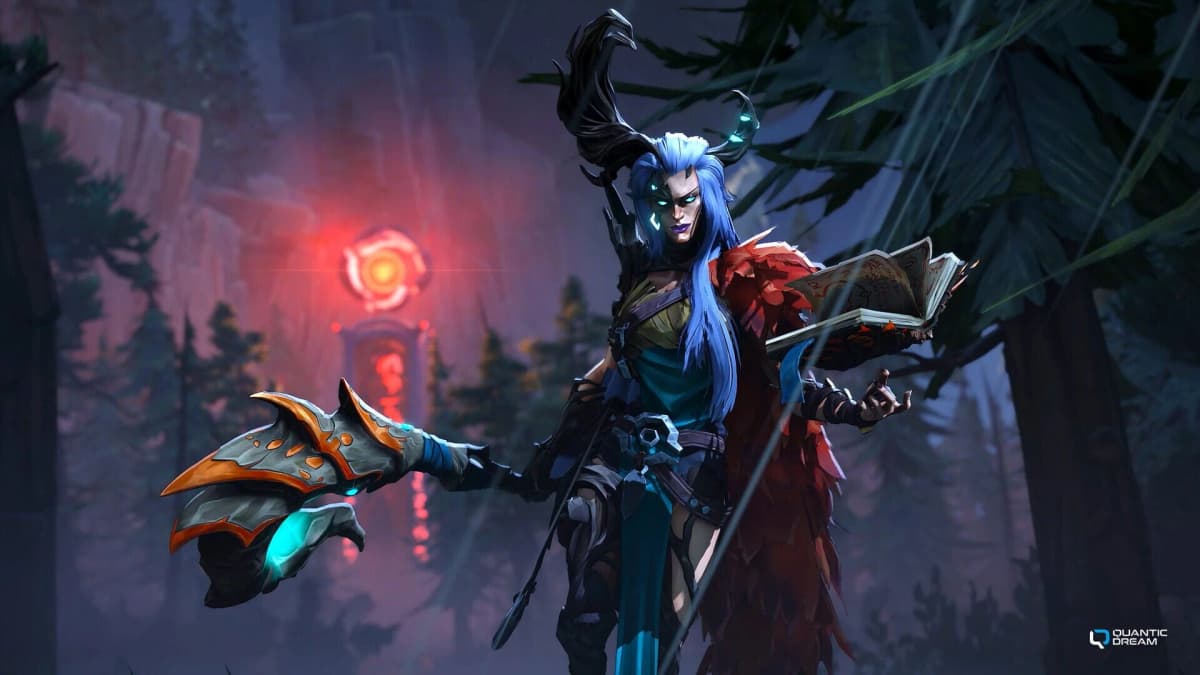
Then there’s the deck-building. I love the idea because it gives you agency before you even load in—crafting a control deck to stall Titan windows or a dive deck that spikes picks around altar fights. But a 50+ card pool brings meta risk. If a single school or combo dominates, variety dies and new players bounce. The best deck-builders (Slay the Spire, Marvel Snap) thrive on legibility and frequent balance passes. Can Quantic patch fast and fair in a live PvP environment? That’s the muscle they haven’t flexed publicly.
“Community-Driven Narrative” Sounds Cool—Here’s the Catch
Quantic’s story DNA isn’t gone; it’s just delayed. They’re teasing a seasonal, community-shaped narrative with votes that affect world lore, rules, and events—rolling out after beta. David Cage calls it “a new chapter in the studio’s history, born from the desire to reinvent ourselves and offer a new form of interactive experience.” Game director Grégoire Diaconu adds, “Spellcasters Chronicles was born from a desire to tell stories in a new way, giving players the power to write the chapters together.”
I love the ambition, but the timing is everything. If the core PvP isn’t sticky on day one, no amount of lore polls will save it. Conversely, if matches slap, players will absolutely engage with votes that tweak rules or usher in world events—think Warframe’s community beats or Sea of Thieves’ time-limited arcs. Just don’t let “the story” justify wild balance swings that turn ranked into a seasonal science project.
Monetization Reality Check
Quantic says cosmetic-focused monetization. Good. Given the deck angle, they must draw a hard line: no selling spells, Titans, or power-adjacent progression. Battle passes are fine if they’re generous and don’t hide essential identity items (flight trails, spell VFX themes) behind FOMO. Also, a clean path to unlock the seven schools for new players is crucial; gating core toys kills experimentation, which is the whole pitch here.
What to Watch at TwitchCon
- Flight feel: Is there stamina? Vertical acceleration? Can you meaningfully outplay with altitude, or is it just chaos?
- Readability: Clear team colors, damage markers, and Titan telegraphs—or particle overload?
- TTK and skill ceiling: Are duels decisive or spongey? Do supports matter beyond healing?
- Objective pacing: Do altars and Lifestones drive fights, or does the mode devolve into aim labs with fireworks?
- Deck identity: Can you spot different builds in action, or do they blur into generic spell spam?
TL;DR
Spellcasters Chronicles is a surprising, high-risk pivot for Quantic Dream: a 3v3 F2P spell-slinger with real-time flight, Titans, and deck-building. If they nail readability, balance, and no-pay-to-win monetization, this could be the rare live-service that actually lands. If not, it’ll be another pretty trailer in a crowded graveyard.