
Table of Contents (6)
Why this matters for gamers right now
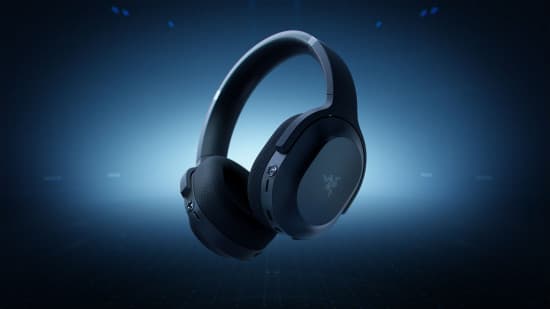
Razer’s Project Motoko surprised me at CES because it treats AI vision as a gaming feature, not a gimmick. Instead of tacking cameras onto sunglasses, Razer shoved them into a Barracuda-style over-ear headset with a Snapdragon NPU, low-latency radio and gaming-grade audio. That combination could actually change how players get help mid-match-summaries, frame-aware tips, and POV streams-without having to juggle a phone or wear clunky AR glasses.
- On-device AI plus gaming audio: Motoko pairs front-facing cameras and a Snapdragon AI chip with a 2.4GHz dongle for sub-20ms audio-an actual nod to competitive needs.
- Practical trade-offs: It beats Ray‑Ban smart glasses in monitor analysis and low-latency comms, but it’s heavier and currently a prototype.
- Privacy and battery caveats: Continuous vision and local models sound neat, but runtime battery, heat, and LAN/stream privacy are unresolved.
Breaking down what Motoko actually brings
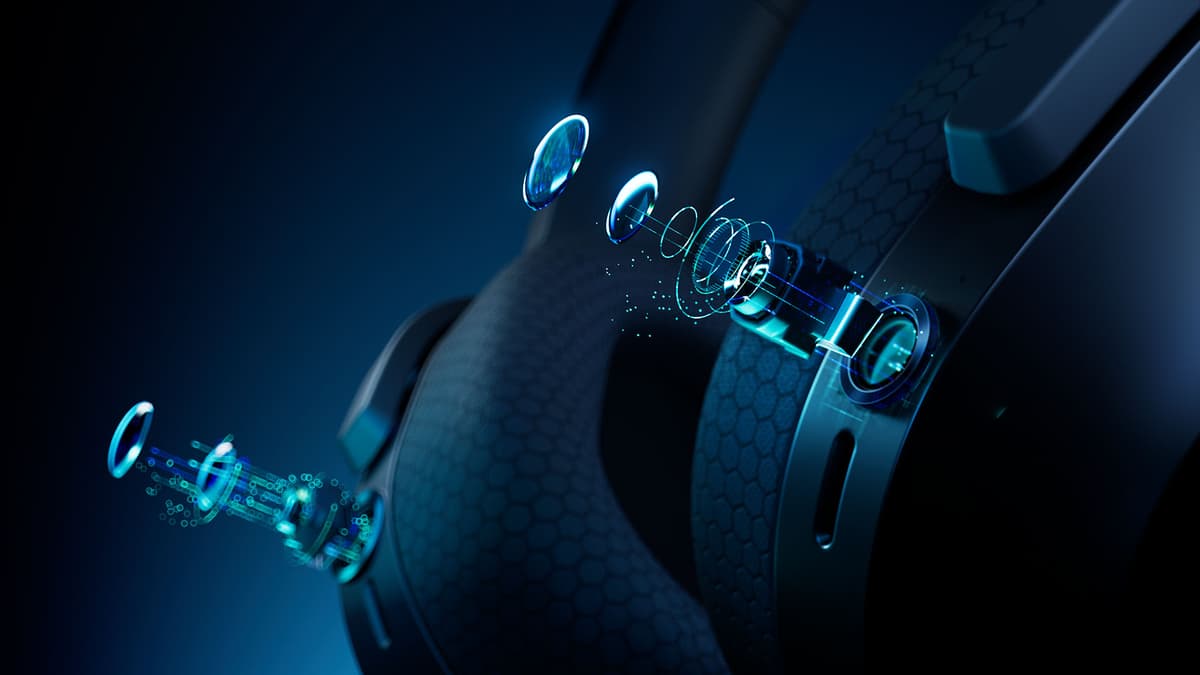
On paper Motoko is “AI-native”: dual front-facing cameras (Razer demoed a high-res 60fps feed with OIS), a Snapdragon-class NPU for local inference, universal model support, THX-spatial audio and a low-latency 2.4GHz dongle inspired by Razer’s Barracuda lineage. For gamers that translates into features that matter in-session—real-time HUD reading, clip summarization, tactical tips that reference your exact on-screen moment, and a POV stream that isn’t a shaky phone clip.
This approach targets friction gamers hate: alt‑tabbing for guides, pausing to look up meta builds, or squinting at tiny patch notes. Running models locally also means better responsiveness and potentially less cloud privacy exposure—if the battery and thermals cooperate.
How it stacks up against Ray‑Ban smart glasses (the real competitor)
Meta’s Ray‑Ban smart glasses lean into discreet, always-on AR assistance and are light enough for all-day wear. They work great for quick mobile AR lookups—maps, translations, or a Pokémon capture assist—because they’re unobtrusive. But for serious gaming they fall short: one camera, lower monitor capture accuracy, weaker audio for team comms and no dedicated low‑latency dongle.
Put simply: Ray‑Bans win for casual AR and outdoor play; Motoko wins for monitor-aware gaming, streaming POV, and competitive play where latency, mic quality and spatial sound are non-negotiable.
Where Motoko makes sense (and where it doesn’t)
- Competitive FPS and esports: Motoko’s dongle + far-field mics are strong advantages for callouts and minimum latency comms.
- Streaming and content creation: 3K/60fps POV with OIS is better than shaky glasses footage for creating usable clips and overlays.
- MMO raids and single-player deep dives: The AI can summarize guides and parse logs—useful if battery holds during long sessions.
- Outdoor AR and casual mobile gaming: Ray‑Bans stay preferable because headset bulk is a real liability outside the desk.
Real concerns gamers should watch
Motoko is a prototype. Claims about 40+ hours or <100ms AI responses need independent verification under gaming loads. On-device AI burns power and generates heat; comfort over four-hour Elden Ring runs is unproven. Privacy matters too: headsets with forward cameras in LANs or streams create new disclosure and moderation headaches. Finally, ecosystem lock‑in can make or break value—Razer’s promise of universal model support is good, but real-world compatibility with consoles and PC overlays will determine adoption.
Why now: the timing makes sense
AI models are finally light enough to run meaningful tasks on-device and Qualcomm’s NPUs are being built with gaming use cases in mind. That convergence is why Razer is pushing Motoko now instead of waiting for another form factor. Gamers are already using clip tools, overlays and coaching services—Motoko tries to consolidate those into the headset, which could be a genuine UX improvement if Razer ships solid battery life and low-latency performance.

FinalBoss // Gear
Level up your setup
01Top-rated gaming headsetson Amazon→02High-refresh gaming monitorson Amazon→03Gaming chairson Amazon→04Discounted game keyson Kinguin→Affiliate links · As an Amazon Associate, FinalBoss earns from qualifying purchases.
Want to Level Up Your Gaming?
Get access to exclusive strategies, hidden tips, and pro-level insights that we don't share publicly.
Ultimate Gaming Strategy Guide + Weekly Pro Tips