
When a social game that hit 150 million users and 68,000 years of cumulative playtime still can’t pay its own server bill, the problem isn’t “not enough players.” It’s the entire business model around VR social sandboxes.
That’s the story behind Rec Room’s shutdown on June 1, 2026 – and it’s a much bigger warning shot than just “one more live service gone.”
Table of Contents (8)
Key takeaways
- Rec Room shuts down completely on June 1, 2026 at noon PT – servers, logins, rec.net, and online Studio features all die on the same day.
- The platform hit over 150 million users and “millions” of monthly players, but developers say it was never “sustainably profitable” and costs kept crushing revenue.
- New accounts, new monetized UGC, and premium subs are already disabled; existing Rec Room+ members get free time and 80% off first-party items until closure.
- Creators get export tools (including Unity-friendly formats), but the “Roblox for VR” vision just lost one of its biggest real-world test cases.
A 150M-player ‘metaverse’ that never paid for itself
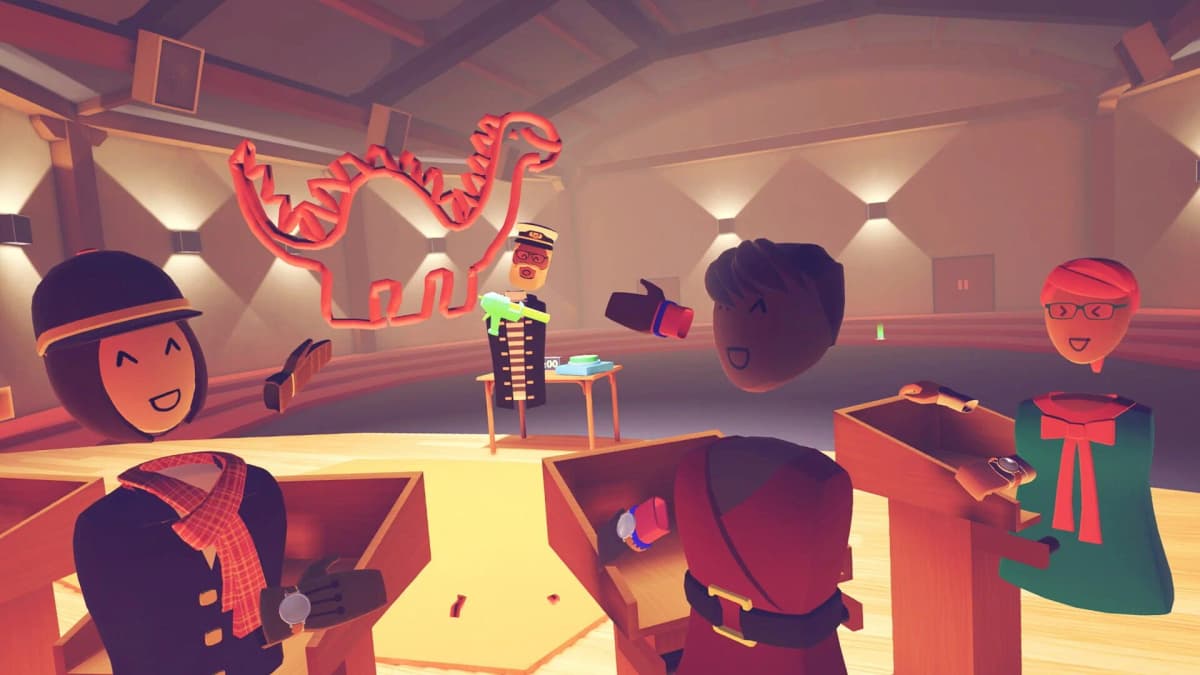
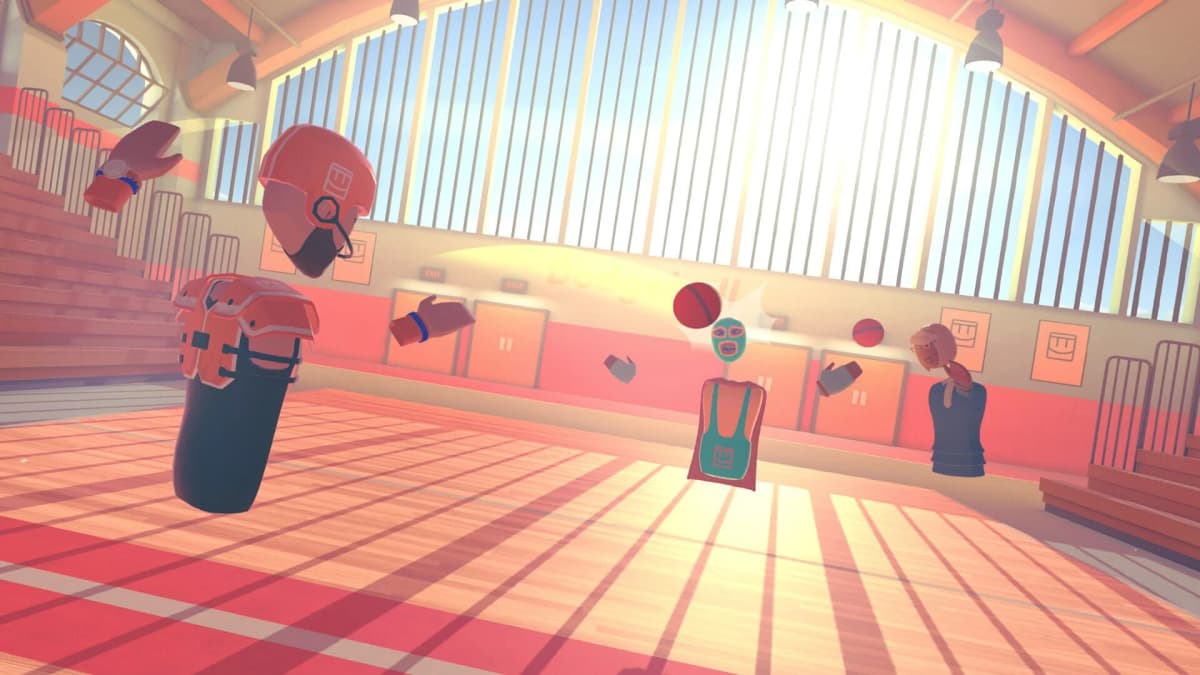
Rec Room launched in 2016 as a VR-only social club and slowly became one of the few cross-platform “metaverse-lite” games that actually had people in it. VR, PC, PlayStation, Xbox, mobile, even Switch – if it had a screen, there was a decent chance you could boot into Rec Room and end up in somebody’s janky horror room or elaborate co-op quest.
Across multiple outlets – from TechRaptor to PlayStation LifeStyle and Massively Overpowered – the same core numbers show up: more than 150 million players, “millions” of people dropping in every month, half a billion in-game friendships, and total playtime measured in tens of thousands of years.
And yet, in the studio’s own words, they “never quite figured out how to make Rec Room a sustainably profitable business.” Revenue existed, but the costs of running the thing “always ended up overwhelming” it.
This wasn’t for lack of trying. Over the last few years, Rec Room Inc. (originally Against Gravity) threw the whole playbook at it:
- Optional Rec Room+ subscriptions
- Paid cosmetics and tokens
- Monetized user-generated rooms and items
- AI-assisted building tools to pump up creator output
- Console and mobile expansion to escape VR’s tiny install base
None of it moved the needle enough. After laying off about half the staff in mid-2025, the team apparently ran the numbers one more time. With VR growth slowing and the broader games industry tightening belts, the conclusion was brutal: there was no believable path where Rec Room stopped bleeding money.
This is the part PR usually dances around, and Rec Room’s team deserves credit for not doing that. The blog post and farewell video – cross-confirmed in reports from TechRaptor, IGN, and others – are blunt: the dream is dead because the math never worked.
What actually happens between now and June 1
For players, this isn’t an overnight kill switch. It’s a slow, managed shutdown – more MMO sunset than surprise delisting. Here’s the timeline that matters, based on the studio’s own FAQ and multiple outlet breakdowns.
- As of the announcement (late March 2026)
- You can’t create new Rec Room accounts.
- You can’t add new friends.
- You can’t sign up for new Rec Room+ subscriptions.
- You can’t create new monetized user-generated content – the creator economy is effectively frozen.
- Between now and June 1
- All first-party items in the in-game stores are 80% off as a parting “thank you.”
- Rec Room+ perks and exclusive items are made more widely available; current subs are extended for free right up to shutdown.
- Players can download personal data – including photos – and a “report card” memento for their avatars.
- Creators get tools to export their rooms, including formats that can be pulled into engines like Unity, or used as a basis for standalone versions.
- On June 1, 2026 – noon Pacific
- All Rec Room servers shut down. No logins, no rooms, no private shards.
- The rec.net website and online portions of Rec Room Studio go offline.
- The game is delisted from platform storefronts like PS4/PS5’s PlayStation Store; it becomes unplayable everywhere, even if it’s still installed locally.
- Rec Room Studio retains a limited offline mode only for already-cached rooms, mainly as an archive tool for creators.
On PlayStation specifically, outlets like Push Square and PlayStation LifeStyle underline the same point: this isn’t some quasi-offline zombie. No servers, no Rec Room. The client is just a dead menu after June 1.
The uncomfortable part: Rec Room did “everything right” by VR standards
The easy take is “VR is doomed” or “metaverse is dead.” That’s lazy. What Rec Room really exposes is how stacked the odds are against a free-to-play social sandbox that isn’t also a hardware company, a giant platform, or running child-level engagement like Roblox.
Think about Rec Room’s position versus the hype:
- It was genuinely cross-platform – something Meta Horizon and a lot of VR-first apps still struggle with.
- It leaned hard into user-generated content years before everyone started throwing “UGC” into investor decks.
- It had a sticky community, regular updates, and a serious attempt at creator monetization.
- It rode the VR boom, then tried to hedge that bet with flatscreen and mobile.
And after all that, the verdict from the devs themselves is: still not enough. Server, moderation, and live-ops costs for a free-to-play, always-online social hub just ate everything the game could bring in.
That’s bad news if you’re betting on the next “Roblox for VR” or whatever flavor of metaverse we’re pretending not to say out loud anymore. Rec Room wasn’t some forgotten experiment; it was one of the better versions of this idea, and it still couldn’t sustain itself.
The question I’d put to any VR or platform PR rep right now is simple: if this didn’t work with 150 million players, what exactly makes you so sure your version will?
PlayStation (and everyone else) gets another lesson in digital impermanence
On PS4 and PS5, Rec Room was one of those “oh yeah, that thing’s always there” multiplayer icons – free download, jump in with friends, no trophies, just a persistent social toy box in the background.
June 1 rips that safety blanket away. Once the servers go down and the game is pulled from the PlayStation Store, there’s no offline mode, no private lobby, nothing. It’s gone. Players who sunk thousands of hours and who spent real money on cosmetics and tokens don’t even have a local museum they can walk around in.
This is becoming a pattern across platforms, but social hubs hit harder because they’re built on relationships and shared history, not just unlock trees. When PlayStation LifeStyle notes that Rec Room never even had trophies, that almost underlines the point: this wasn’t a conventional “game” you rolled credits on. It was closer to a digital hangout – and you can’t back up a hangout once the landlord locks the door.
Rec Room’s export tools are a respectful gesture to creators, especially those who might want to rebuild their rooms elsewhere using Unity, custom servers, or different engines. But for everyday players, what you’re really exporting is screenshots and a nicely formatted goodbye note.

Could Rec Room ever have worked – and what comes next?
There’s a version of this story where Rec Room survives – but it probably involves a very different ownership structure. Think acquisition by a hardware giant (Meta, Sony) or deeper integration into a platform ecosystem that’s willing to treat it as a loss leader rather than a product that has to justify itself line by line.
Instead, Rec Room stayed independent, raised money, grew fast, and then ran into the current reality: ad money is tightening, free-to-play cosmetics have a ceiling, and cross-platform social games need a lot of staff to keep safe and running. When half your team is cut – as reports noted in August 2025 – your margin for error disappears.
The verdict this shutdown delivers to the rest of the industry is pretty clear:
- If your grand plan is “user-generated content will do the work for us,” you still need a sustainable way to pay for infrastructure and moderation.
- If you’re building in VR first, you can’t count on scale alone to save you – even 150 million registered users didn’t.
- If you’re buying cosmetics in a live service, assume the server’s life expectancy is shorter than yours.
As shutdowns go, Rec Room’s is one of the more considerate: long runway, honest messaging, creator exports, deep discounts, membership extensions. That doesn’t make the outcome less stark. A decade of work and one of VR’s few mainstream-adjacent hits is still heading for the graveyard.
In other words: if you were still clinging to the idea that “if it’s big enough, it’s safe,” Rec Room just proved that illusion is over.
What to watch
- Export tools rollout (spring 2026) – How robust the room export options actually are will determine whether Rec Room’s best creations get a second life in Unity or elsewhere.
- Last-month concurrency – If the farewell period spikes player numbers, that’s a clear sign there was still demand – just not monetizable enough demand.
- VR social copycats – Any new “metaverse” pitch that looks like Rec Room but with buzzier branding needs to answer the profitability question up front.
- Platform reactions – Sony, Meta, and others now have a concrete example of a big VR social hub that couldn’t survive. Watch how that shapes future funding and partnerships.
TL;DR
Rec Room, a decade-old social sandbox that reached over 150 million players, is shutting down on June 1, 2026 because the devs say it never became “sustainably profitable.” Between now and then, new accounts and monetized UGC are disabled, subs are extended, first-party items are 80% off, and creators get export tools – but the servers, websites, and online tools all die at noon PT that day. The shutdown is more than just another live-service sunset; it’s a blunt verdict on how fragile VR-first social platforms and UGC-driven business models really are.
FinalBoss // Gear
Level up your setup
01Top-rated gaming headsetson Amazon→02High-refresh gaming monitorson Amazon→03Gaming chairson Amazon→04Discounted game keyson Kinguin→Affiliate links · As an Amazon Associate, FinalBoss earns from qualifying purchases.
Want to Level Up Your Gaming?
Get access to exclusive strategies, hidden tips, and pro-level insights that we don't share publicly.
Ultimate Gaming Strategy Guide + Weekly Pro Tips