
Table of Contents (6)
Why this matters: record sales and a very different industry
2025 gave us a strange headline: global video game content sales hit a new high-$195.6 billion, up 5.3%-even as private funding collapsed by 55%. That contradiction is the story Epyllion CEO Matthew Ball lays out in the State of Video Gaming 2026 report, and it’s the clearest signal yet that the game business is changing where and how money flows. For players, it means more services and big platform winners, and fewer small studios getting deep VC lifelines to fund risky, creative projects.
- Revenue up, funding down: Sales rose to $195.6B, but private funding plunged 55%.
- Outsourcing becomes core: External development now accounts for 35.5% of content spend-up from ~31% in recent years.
- Platform winners dominate growth: Roblox alone captured 67% of net market growth in 2025; Chinese publishers grabbed roughly half of player-spend growth since 2019.
- Consumer spending shifted: Platform services (Game Pass, PS Plus, Switch Online) absorbed the bulk of net spending growth.
Breaking down the numbers — where the money actually went
Some of these stats make the industry look healthier than it feels. Console consumer spending on platform services rose so much that 119% of net spending growth since 2020 flowed into subscriptions like PlayStation Plus and Xbox Game Pass, even while total console sales and in-game transactions fell nearly 11% year‑on‑year. PC spending grew—up 30% since 2020 to $40.7 billion—while China now accounts for 20% of global player spend, and Chinese publishers have captured roughly half the market growth since 2019.
Outsourcing isn’t a niche anymore
Outsourcing has migrated from support work to core creative duties. Epyllion reports external development made up 35.5% of developers’ content investment in 2025. Firms told the survey they outsource 60-95% of animation, audio, and environment design work. The rationale is blunt: flexible skillsets, faster content production, and access to rare expertise.
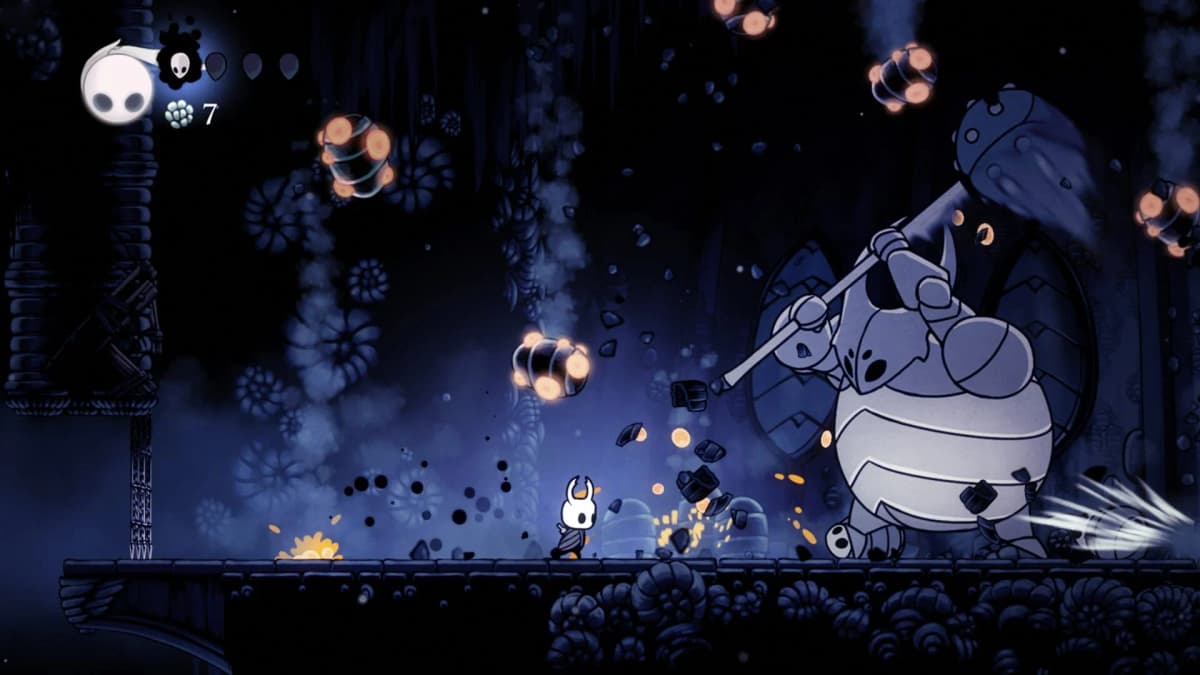
Concrete examples are telling. Team Cherry’s Hollow Knight: Silksong lists three internal credits versus 94 external credits. Palworld’s development credits show 97 internal and 93 external, with 80 of those external credits supplied by Keywords Studios. That level of third‑party reliance reshapes who gets paid and who builds the IP muscle inside studios.
Why Roblox and China matter more than you think
Roblox was the market’s accelerant in 2025: it captured 67% of net growth and its monthly engagement topped 10 billion hours—more than Steam, PlayStation, and Fortnite combined. By the end of 2025 Roblox DAU had blown past individual console platforms and kept expanding. That concentration of attention and monetization means developers and publishers will chase platform‑native strategies and partnerships rather than rely solely on traditional console/PC releases.
Meanwhile, China’s publishers are eating up global spend growth. Matthew Ball’s blunt line: if you want to match global growth, you either win China or grow 1.6x faster elsewhere. Expect more localized strategies, licensing deals, and investment from Chinese firms into non‑China studios that can access those players.
What gamers should expect in 2026
This year’s numbers point to five practical shifts Ball highlights: expansion into non‑core markets, ad monetization, direct-to-consumer options and alternative payments, a boom in external development, and continued Roblox-driven growth. For players that means more subscription bundling, more live-service content, and an increasing chance that your favorite indie series gets built with a far larger external team—or not at all if funding dries up.
There’s nothing inherently bad about outsourcing or platform services—these can deliver more content and keep games updated—but the funding collapse raises a risk: fewer fully independent projects that can absorb long development cycles and creative experimentation. The upside: successful platform-native experiences and external partners can scale hits faster. The downside: creative control, pay structures, and studio headcount will be rearranged.
TL;DR
2025 was a record year for revenue but a stress test for the industry’s plumbing. With private funding down 55%, outsourcing up to 35.5% of content spend, and platform giants like Roblox and Chinese publishers capturing most growth, 2026 will be about where the money lives—not just how much. Gamers will see more subscriptions and platform-driven content; developers will keep balancing internal teams with external partners to survive.
FinalBoss // Gear
Level up your setup
01Top-rated gaming headsetson Amazon→02High-refresh gaming monitorson Amazon→03Gaming chairson Amazon→04Discounted game keyson Kinguin→Affiliate links · As an Amazon Associate, FinalBoss earns from qualifying purchases.
Want to Level Up Your Gaming?
Get access to exclusive strategies, hidden tips, and pro-level insights that we don't share publicly.
Ultimate Gaming Strategy Guide + Weekly Pro Tips