
The Control you remember is being rewritten. Remedy’s follow-up, Control Resonant, hands the series to Dylan Faden and replaces Jesse’s long‑range telekinetic dance with an up‑close, aggressive melee loop built around a shapeshifting hammer. That’s not a cosmetic swap – it’s a conscious redefinition of what a Control game plays like.
- Jesse isn’t playable. Remedy confirmed Dylan is the playable lead and Jesse, while story‑important, won’t be controllable (Eurogamer).
- Melee is the focus. Dylan wields a transformable weapon called the Aberrant (sometimes reported as “Aarent”) and combat rewards forward pressure; there’s dodge but no parry and the team insists it’s not a Soulslike (IGN, Eurogamer).
- World and story are tighter. Manhattan is split into distinct zones with World Quests and a single canonical ending; there are dialogue systems but no branching finales (Dexerto, IGN).
- Targeted for 2026. Platforms: PS5, Xbox Series X|S, PC and Mac via Steam/Epic (multiple previews).
Table of Contents (6)
This is a deliberate identity shift, not a minor tweak
Remedy isn’t simply swapping protagonists for novelty. The studio has said repeatedly that Resonant is Dylan’s story – and that matters because Jesse’s Service Weapon and telekinetic toolkit were baked into the original game’s identity. Telling a Control story through a different player’s abilities changes the game design prerequisites: enemy spacing, encounter pacing, resource systems, even level layout. That’s exactly what Remedy is doing: moving from medium‑to‑long‑range mind‑bending shootouts to tight engagements where your hammer hits both as damage and as a resource engine (IGN, Dexerto).
Gameplay: aggressive melee, not souls, but it’s still a gamble
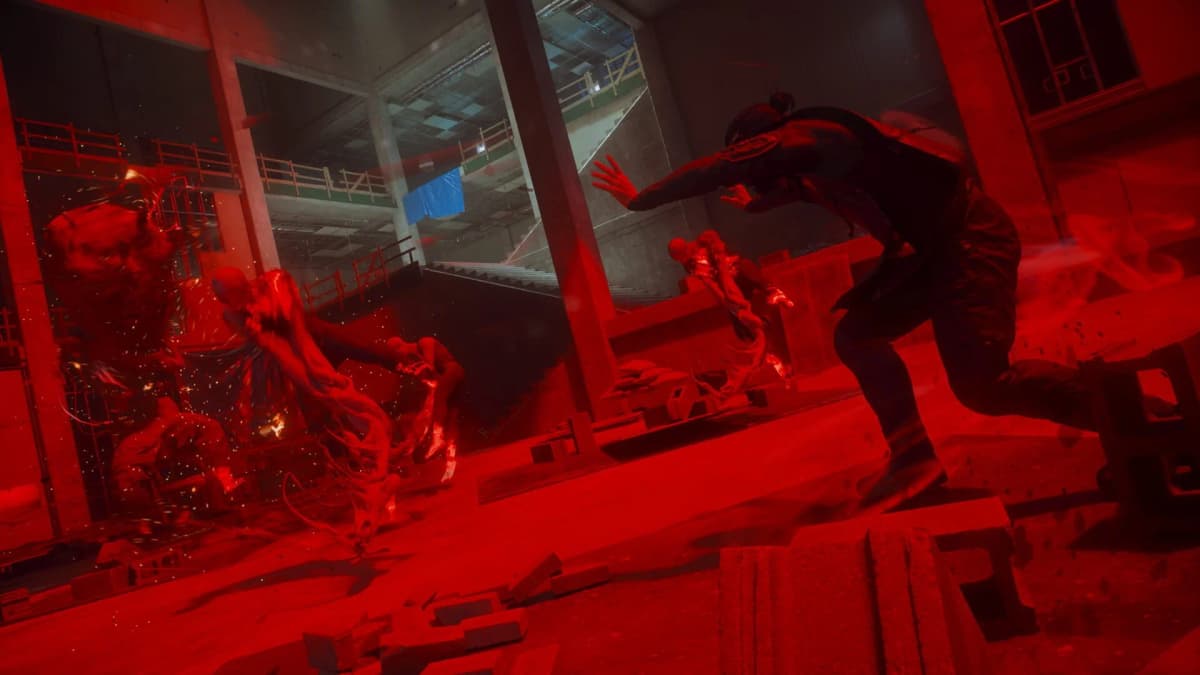
Across state‑of‑play previews and hands‑off briefings, Remedy has been emphatic: Control Resonant is an action‑RPG built around momentum. The Aberrant is a transformable melee weapon and the combat loop restores ability resources when you land physical hits – a design that explicitly rewards aggression. There’s dodge and a flow of crowd control into executions, but no parry system. Lead designers stress the game is “faster” and “action‑driven” rather than a Soulslike imitation (IGN, Eurogamer).
That’s a smart defensive move: nobody wants the social media pile‑on that comes when a studio is accused of copying FromSoftware. But it’s also risky. The original Control’s identity hinged on the uncanny feel of telekinesis — lifting, flinging and throwing reality around the Oldest House. Trading that tactile dissonance for a melee hammer means Remedy must reengineer the peculiar satisfaction that made Control feel like a Remedy game in the first place. If the Aberrant doesn’t carry the same strange weight — mechanically and thematically — fans will notice.
Narrative and world: broader city, tighter missions
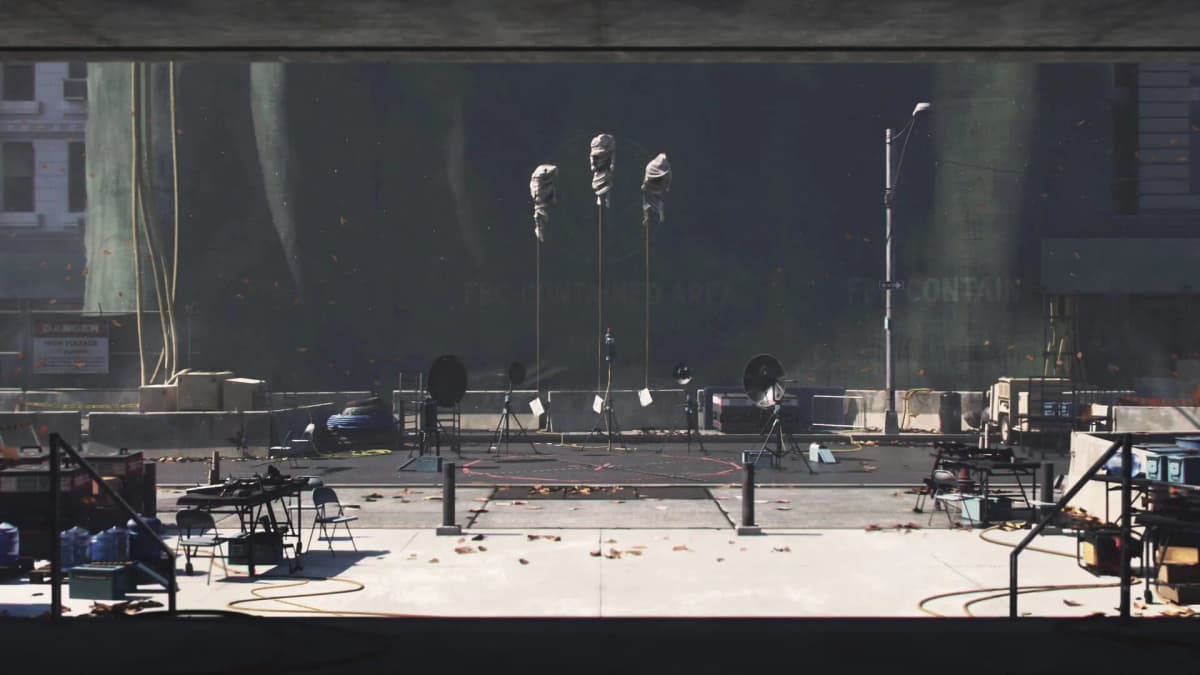
Resonant leaves the Oldest House for a Manhattan warped by the Hiss. But don’t expect an endless open world. Remedy is carving Manhattan into distinct zones with World Quests — compact narrative side content during exploration — and a single, tightly authored ending. The studio frames this as an anti‑open‑world choice: fewer filler activities, more curated encounters (Dexerto, Eurogamer).
There’s also a new companion thread: Zoe De Vera will be Dylan’s contact, and the game features dynamic dialogue systems that allow natural in‑field conversations, though Remedy explicitly says your dialogue choices won’t branch the ending. That’s telling: Resonant is leaning into a focused story rather than the player‑shaped epilogues that have become common in action RPGs (IGN).
The uncomfortable question no one’s asking — will fans accept losing Jesse as the playable anchor?
Remedy made the right PR move by stating Jesse will still be significant in the plot, but the real test is emotional and mechanical. Jesse was the franchise’s access point: the icon, the Service Weapon, the player’s tether to the Remedyverse. Handing control to Dylan risks fragmenting the franchise’s brand equity unless Resonant’s melee systems and narrative offer a comparably memorable identity. If Resonant simply feels like a generic action‑RPG with a Remedy skin, expect backlash. If it reimagines “weird” through a brutal hammer and metaphysical momentum, it could be one of Remedy’s boldest wins.

What to watch next
- Hands‑on previews: confirm whether Aberrant’s feel and the resource‑on‑hit systems actually deliver the promised “flow.”
- Performance details: Remedy has upgraded Northlight for higher frame rates and more enemies — look for 60fps stability in previews (IGN).
- Release window update: “2026” is the target; watch for a quarter or date confirmation and any change to platforms.
- Post‑launch plans: whether Jesse becomes playable later or appears as a player‑switch option — Remedy has been firm so far, but commercial pressure can change roadmaps.
If I were in the room with PR, I’d ask: why rule out playable Jesse now if the story keeps her central? Is this a creative boundary or a business decision? The answer will reveal if Resonant is an artistic reinvention or a franchise pivot meant to chase a different audience.
TL;DR
Control Resonant swaps Jesse for Dylan and long‑range telekinetic play for an aggressive, melee‑first loop built around the Aberrant. Remedy says no parry, no Soulslike comparison, and a focused Manhattan split into narrative zones with a single ending. Watch hands‑on coverage for whether the new combat genuinely captures the peculiar Remedy magic or just trades one signature for another.
FinalBoss // Gear
Level up your setup
01Top-rated gaming headsetson Amazon→02High-refresh gaming monitorson Amazon→03Gaming chairson Amazon→04Discounted game keyson Kinguin→Affiliate links · As an Amazon Associate, FinalBoss earns from qualifying purchases.
Want to Level Up Your Gaming?
Get access to exclusive strategies, hidden tips, and pro-level insights that we don't share publicly.
Ultimate Gaming Strategy Guide + Weekly Pro Tips