
Table of Contents (8)
Remedy just tried to prevent the internet from inventing its own game
What Remedy wanted out of its recent previews was simple: stop calling Control Resonant a Soulslike and stop assuming Jesse Faden is back behind the crosshair. The studio’s message is clearer than the trailers – Resonant is a tonal reboot for the franchise, centered on Dylan Faden, tight melee combat with a shapeshifting hammer called the Aberrant, and action‑RPG systems that reward momentum and aggressive play.
- Key takeaways:
- Dylan is the playable lead; Jesse appears in the story but is explicitly not playable.
- Combat pivots from glassy telekinesis to close‑quarters, momentum‑driven melee using the Aberrant. Dodge exists; parry does not.
- Remedy insists this is a fast action‑RPG, not a Soulslike – talent trees, builds via “The Gap”, World Quests and a zone‑based Manhattan.
What they actually changed – and why it matters
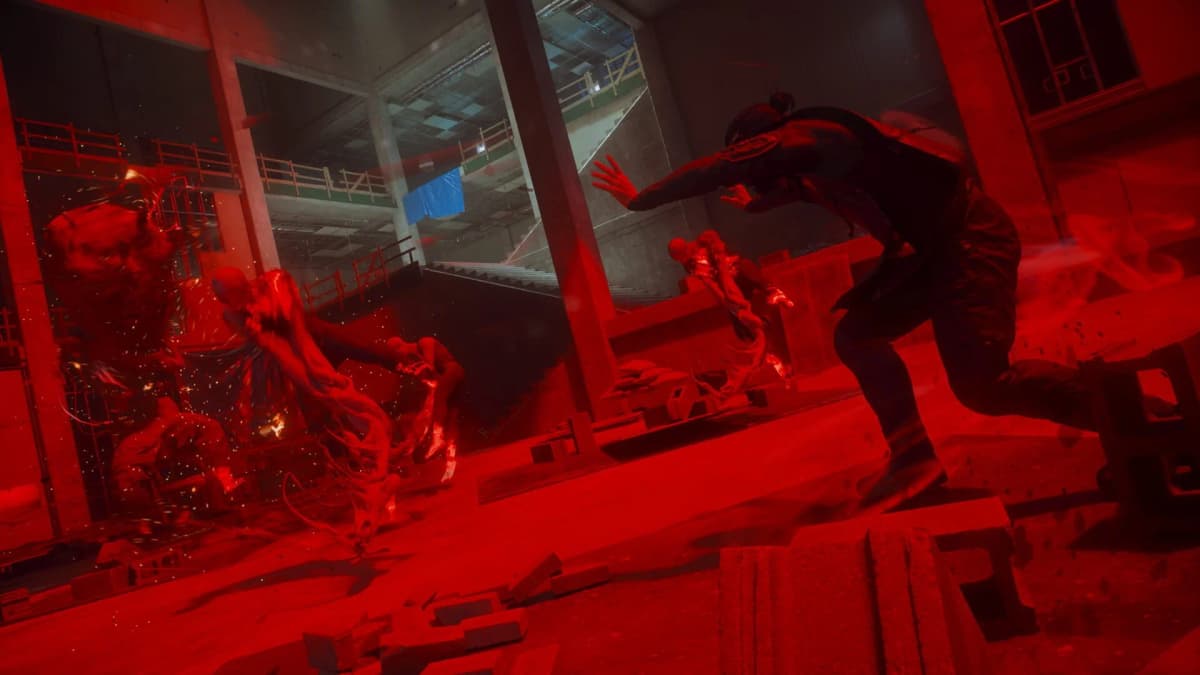
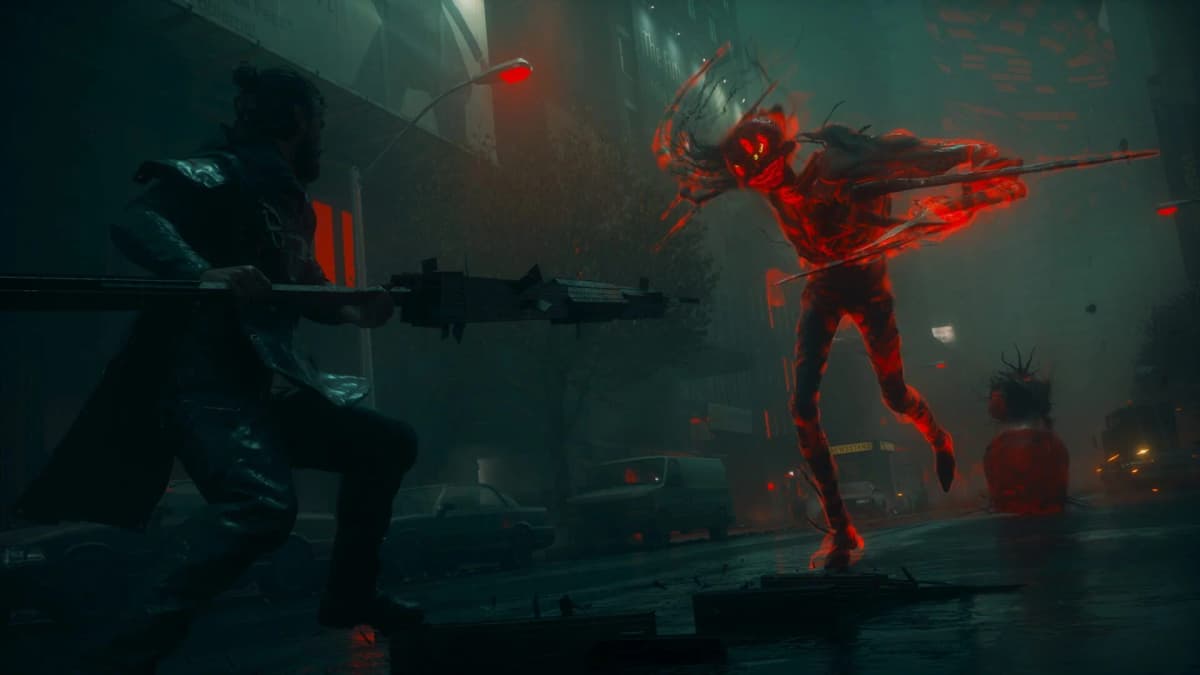
Control Resonant is not a sequel in the conservative sense. Remedy is deliberately recasting the franchise’s play loop. Gone (mostly) is the distance‑based Service Weapon choreography that defined Jesse Faden; in is a lumbering, transformable melee tool — the Aberrant — that drags the fight into very close quarters. The goal, according to studio representatives and hands‑off previews, is an “aggressive” combat loop where landing hits restores combat resources, unlocks stuns and opens enemies for executions that pump temporary damage. Momentum equals power. That’s the design pitch, and it’s a major pivot.
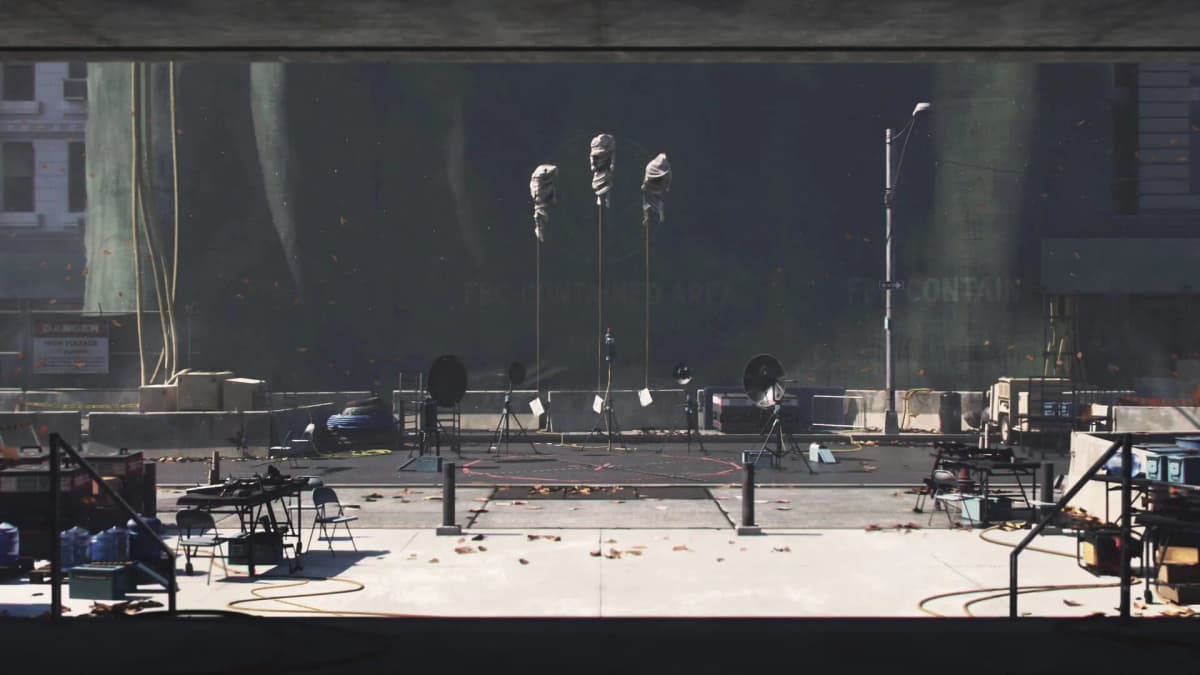
This is a meaningful identity shift for the Remedyverse. Control (2019) sold itself on weird environmental puzzles, telekinetic spectacle and a distinctly surreal setting. Now the same narrative sandbox is being used to deliver something closer to an action‑RPG with build variety, talent trees, a hub system called The Gap for re‑tuning builds, and world quests that play like contained narrative side stories. Remedy is trying to trade some of Control’s isolated, uncanny air for a denser, replayable combat economy.
Not a Soulslike — and they said it twice
One line you’ll see in every preview: “This is not a Soulslike.” Lead designers pushed back on that comparison in interviews and controlled demos reported by IGN, Dexerto, IGN Brasil and 3DJuegos. Remedy frames Resonant as faster, less punishing in its defensive toolkit (there’s a dodge, there is no parry), and focused on player agency and flow rather than slow, weighty counters. If you’re waiting for long stamina trades and methodical backstabs, that’s not the target. Instead imagine aggressive close‑range momentum, more hits on screen (the Northlight engine is being pushed toward 60fps ambitions), and RPG systems that let you double down on heavy melee or hybrid play with summons and status effects.
The Jesse question — the PR move you should’ve expected
Remedy broke the one thing the internet loves to argue about: Jesse Faden will not be playable in Resonant. The studio’s communications pushed that point hard during previews — Jesse remains narratively important but not a player character. That closes a door fans have been prying at since the reveal trailer put her in frame. It’s a reasonable choice from a design perspective — if Resonant is Dylan’s psychological and mechanical story, giving players Jesse would dilute the experiment — but it’s also the kind of decision that will split the community. Expect heated debate among series purists who wanted a Jesse‑led sequel.
The uncomfortable observation
Remedy wants to expand the “Remedyverse” without repeating itself. That ambition is admirable — the studio pivoted successfully with Alan Wake 2 and can iterate — but there’s a commercial risk baked in. Shifting a beloved game’s core combat and swapping the protagonist are both moves that can alienate half your audience while attracting another. The studio’s insistence on “less is more” for Manhattan’s activities is also thinly veiled damage control: build around bite‑sized narrative side quests instead of an open world jammed with busywork.
The question I’d ask a PR rep
How far will Jesse’s narrative presence extend? Is her role limited to cutscenes and lore, or will Remedy gate meaningful story beats and gameplay hooks behind future updates where she might be playable? And given the pivot to melee, what evidence will you show players that the Aberrant’s forms and build trees can produce the same variety the Service Weapon delivered in Control?
What to watch next
- Concrete release window: Remedy targets 2026, but expect a firmer date and a gameplay deep‑dive at a mid‑year show (Summer Game Fest/State of Play) — that demo must prove the momentum loop, not just spectacle.
- Technical proof: look for explicit 60fps targets and performance details; Northlight improvements were mentioned but need verification on console/PC.
- Gameplay systems: we want to see The Gap’s build tools, how talent trees differentiate playstyles, and whether the Aberrant’s transforms meaningfully change combat rhythm.
- Narrative clarity: how Zoe De Vera anchors Dylan’s arc, and whether single‑ending design undercuts meaningful choice in the middle game.
Remedy is deliberately resetting expectations. That’s the rare developer move that’s equal parts bold and risky: bold because it prevents misreading their intent, risky because changing the sport mid‑match rarely pleases everyone. For now, Resonant is a bet on momentum — in story and combat — and the next few public demos will tell us whether that bet pays off.
TL;DR
Control Resonant swaps Jesse for Dylan and distance for fists: a momentum‑based melee action‑RPG built around the Aberrant. Remedy insists it’s fast, not Soulslike, and Jesse is story‑present but not playable. Watch for mid‑2026 gameplay demos proving the combat loop, performance targets, and how The Gap builds meaningful variety.
FinalBoss // Gear
Level up your setup
01Top-rated gaming headsetson Amazon→02High-refresh gaming monitorson Amazon→03Gaming chairson Amazon→04Discounted game keyson Kinguin→Affiliate links · As an Amazon Associate, FinalBoss earns from qualifying purchases.
Want to Level Up Your Gaming?
Get access to exclusive strategies, hidden tips, and pro-level insights that we don't share publicly.
Ultimate Gaming Strategy Guide + Weekly Pro Tips