
Table of Contents (7)
Control isn’t just getting a sequel – Remedy is trying on a new genre
Remedy has deliberately retooled Control from an action‑adventure about a haunted bureaucratic skyscraper into an Action‑RPG centered on melee risk‑reward combat and player‑built synergies. The latest presentation made that pivot explicit: Dylan Faden is the playable lead, Jesse remains a story anchor but won’t be controllable, and the game’s core systems – the Aberrant weapon, a dimensional “Gap” hub, talent trees and choice dialogues – are geared toward builds, not corridor puzzles.
Key takeaways
- Playable protagonist: Dylan Faden replaces Jesse; Jesse is important to the plot but not playable (as Eurogamer PT and ActuGaming reported).
- Genre shift: Remedy calls Control Resonant an Action‑RPG — explicitly not a Souls‑like — and has removed parry mechanics to favor aggressive, melee‑first play (VidaExtra, ActuGaming).
- Builds matter: the Gap hub, talent trees and a shape‑shifting melee weapon (the Aberrant) encourage customized playstyles and synergies between powers and attacks (Eurogamer PT).
- World and narrative: Manhattan is split into connected districts with “World Missions” and choice dialogues, but Remedy promises a single ending (ActuGaming, Eurogamer PT).
Why this matters — and why Remedy was so careful to say what the game isn’t
Remedy didn’t just announce features — it pushed back against assumptions. In interviews and the state presentation the studio repeatedly denied the soulslike label, confirmed there is no parry, and emphasized that combat rewards aggression: hit to restore resources, chain melee to power up, and lean into close‑quarters risk. That messaging is purposeful. Fans were already drawing comparisons to FromSoftware’s rhythm of punishment and reward; Remedy wants a different conversation: one about custom builds and momentum rather than tight defensive timing.
That repositioning changes how we should think about Control as a franchise. The original sold itself on claustrophobic spaces, telekinetic improvisation and the Oldest House’s architecture. Moving to a district‑based Manhattan, with a melee weapon that morphs and a hub that gamifies power swapping, signals a franchise experiment: keep the supernatural identity but shift the loop to long‑form progression and player expression.
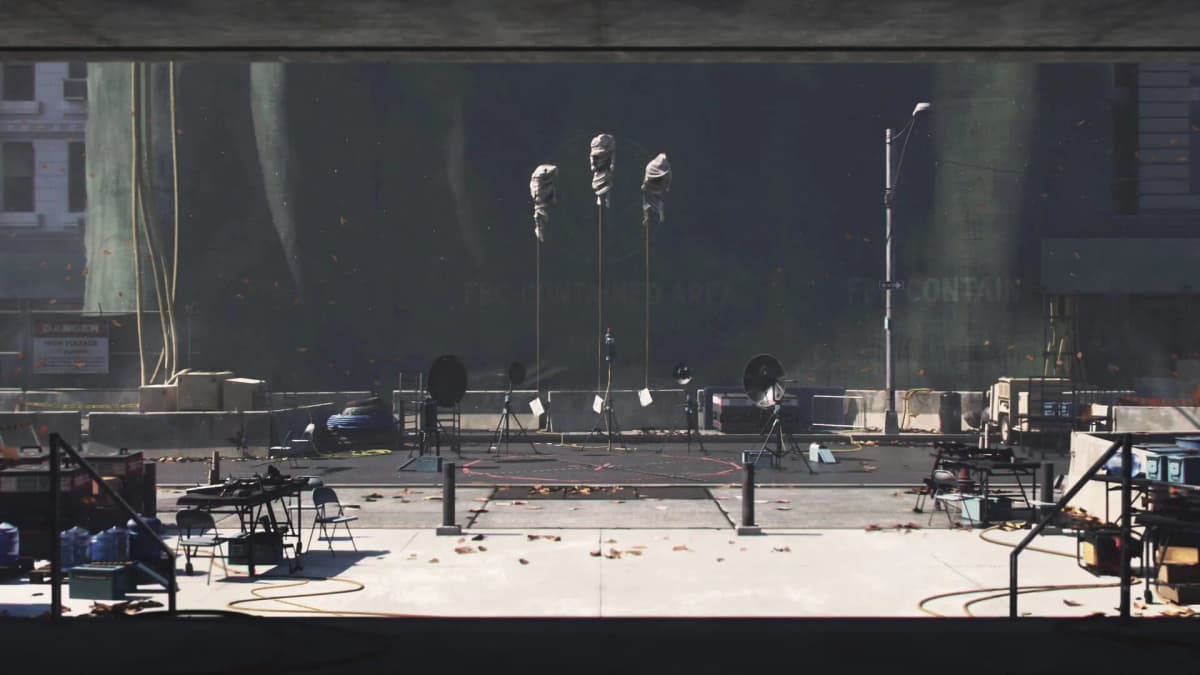
The uncomfortable observation they quietly baked into the trailer
Remedy’s emphasis on what Resonant isn’t — not a parry‑heavy combat sim, not Jesse playable, not a Soulslike — reads less like clarification and more like pre‑damage control. When studios lean into “we’re not X” messaging, it usually means they expect comparisons that could derail perceptions at launch. Either Resonant is a confident redesign meant to expand the audience, or it’s a fix for a sequel that would otherwise invite unfavorable comparisons to other melee‑focused hits.
There’s also a creative risk. The original Control earned goodwill for how its powers interacted with environments. Trading that improvisational, physics‑first playstyle for an RPG loop risks losing the franchise’s tactile signature — unless the Aberrant and supernatural abilities successfully preserve environmental interaction while supporting build depth.
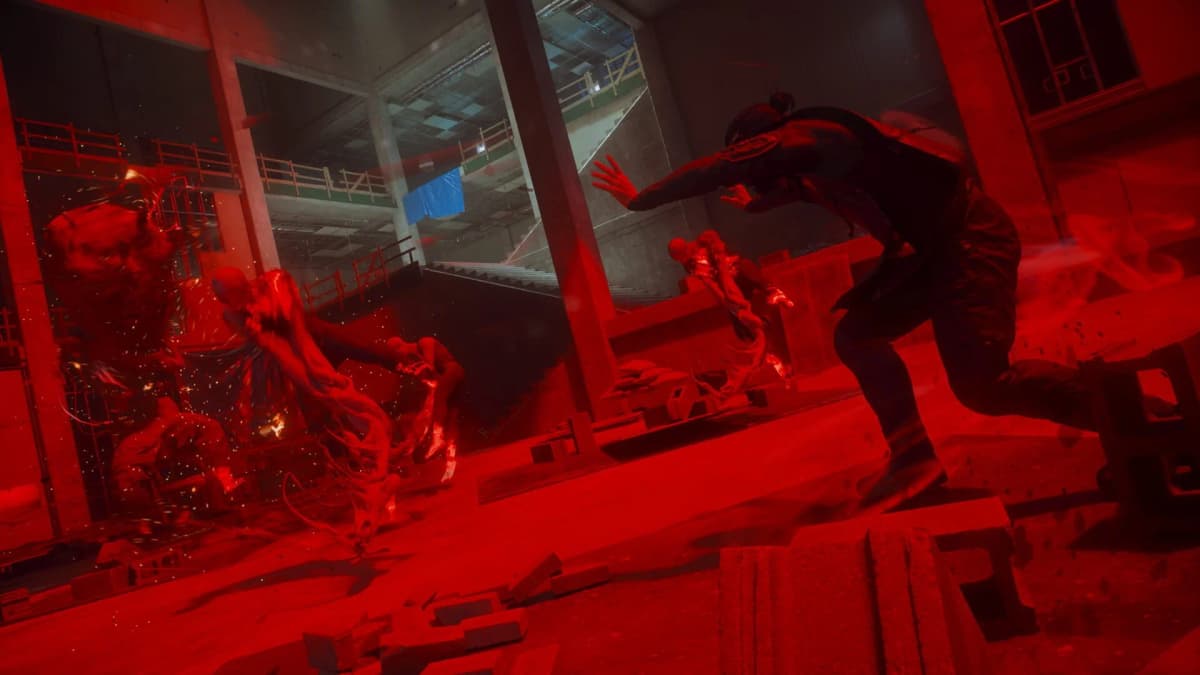
The question nobody’s asking loud enough
Will the new systems actually deepen player choice, or will they paper over a design identity crisis? In other words: are we getting meaningful dialogue branches and cubic meters of mechanical combinations, or a larger shell around a more repetitive combat loop? Remedy says there’s a single ending and “choice dialogues,” but specificity matters — how consequential are those choices? Can you respec a build mid‑game? These are the mechanics that will determine whether Resonant is a bold evolution or a franchise pivot that dilutes what made Control special.
What to watch next
- Hands‑on previews and combat footage from independent outlets — look for footage showing environmental interplay and how the Aberrant transforms in live encounters (the big test of the new loop).
- Details on the Gap hub: respec options, build limits, and whether powers slot into meaningful synergies or are largely cosmetic.
- Dialogue impact: samples of branching scenes — are they cinematic flavor or mechanically branching beats that alter missions?
- Release roadmaps: Remedy still lists 2026 across PS5/Xbox Series/PC; watch for beta windows or open demos that let players test build variance.
- Community reaction: if early players say combat strips away the original game’s improvisational joy, expect sharp backlash; if builds lead to creative playstyles, Resonant could refresh the series.
Remedy is taking its franchise into riskier territory — intentionally. That deserves credit. Whether it pays off depends on execution: the Aberrant has to feel as satisfying as a telekinetic throw, the Gap must reward experimentation, and the choices must carry weight beyond flavor text. If those pieces snap together, Control Resonant could become the franchise’s most interesting reinvention. If not, it risks becoming a stylish but familiar Action‑RPG that fans remember fondly for its ambition, not its follow‑through.

TL;DR
Control Resonant deliberately shifts Control from action‑adventure to Action‑RPG: Dylan is playable, Jesse is not, combat is melee‑centric and build‑driven, and the Gap hub underpins progression. That could refresh Remedy’s world or strip away the original’s defining improvisational play — the coming hands‑on previews and the Gap’s depth will decide which.
FinalBoss // Gear
Level up your setup
01Top-rated gaming headsetson Amazon→02High-refresh gaming monitorson Amazon→03Gaming chairson Amazon→04Discounted game keyson Kinguin→Affiliate links · As an Amazon Associate, FinalBoss earns from qualifying purchases.
Want to Level Up Your Gaming?
Get access to exclusive strategies, hidden tips, and pro-level insights that we don't share publicly.
Ultimate Gaming Strategy Guide + Weekly Pro Tips