
Let’s face it: a tactical RPG lives or dies by mechanical depth and narrative impact. When Remore: Infested Kingdom’s first major update promised “full integration” of story and gameplay, I was skeptical. But WEBZEN’s latest patch transforms the game’s medieval, pestilence-stricken world into a genuinely reactive sandbox. Open-ended exploration, two fresh squad members, a true multi-phase boss, and interconnected progression systems deliver meaningful choices rather than empty grind.
At a Glance: Key Features
- Open exploration: Over 10 new Pleasure District maps let you plan routes, weigh hazards, and uncover hidden side content.
- First multi-phase boss: Olivia encounter demands positioning, timing, and resource management beyond brute force.
- Story-linked progression: Restoration Level and Hideout systems tie narrative milestones to gameplay upgrades.
- New heroes: Inquisitor Becket and Shadow Sister Mienne introduce disruption combos and ambush tactics.
- Quality-of-life improvements: Streamlined UI, revamped tutorials, and central HQ management smooth the learning curve.
| Feature | Detail |
|---|---|
| Publisher | WEBZEN |
| Update Date | June 24, 2025 |
| Genres | Tactical RPG, Turn-Based Strategy |
| Platforms | PC (Steam, Epic) |
Gameplay Mechanics Deep Dive
One of the most substantial changes is the Restoration Level. Rather than a simple experience bar, this meter fills as you collect “Memory Shards” in missions and relight Guiding Pillars scattered across the map. Factually, every increment unlocks new Hideout functions—crafting recipes, harder difficulty tiers, and narrative encounters inside your base of operations. In the old system, upgrades felt disconnected from story; now, reclaiming each Pillar also advances in-camp dialogue and world lore. In my view, this creates a tangible sense of progression—you can literally see villages recover, NPCs gain skills, and environmental hazards shift after enough pillars are restored.
Memory Shards group into tiers (minor, major, epic), so players must decide whether to drain side areas for dozens of minor shards or risk a boss gauntlet for a single epic shard. This risk-reward balance injects real strategy into mission planning. The Restoration Level also caps ability unlocks—higher tiers open advanced skill trees, ensuring you can’t breeze through late-game with a min-maxed early setup.
Open-Ended Exploration and Route Planning
Remore’s Pleasure District now spans over 10 distinct regions, each with its own environment hazards (poison fog, infected beasts, trap ruins) and optional side objectives. Instead of linear checkpoints, you choose your path: cartographer-style, you plot waypoints, scout ahead for resources, or avoid high-risk zones entirely. This non-linear layout means squad composition becomes critical—if you send in only melee fighters, you might struggle with ranged ambushes in waterlogged ruins. Conversely, a high-Speed character can scout a choke point before the full team marches in. It’s a level of planning typically reserved for grand strategy games, not indie tactics RPGs.
Two New Heroes, New Tactics
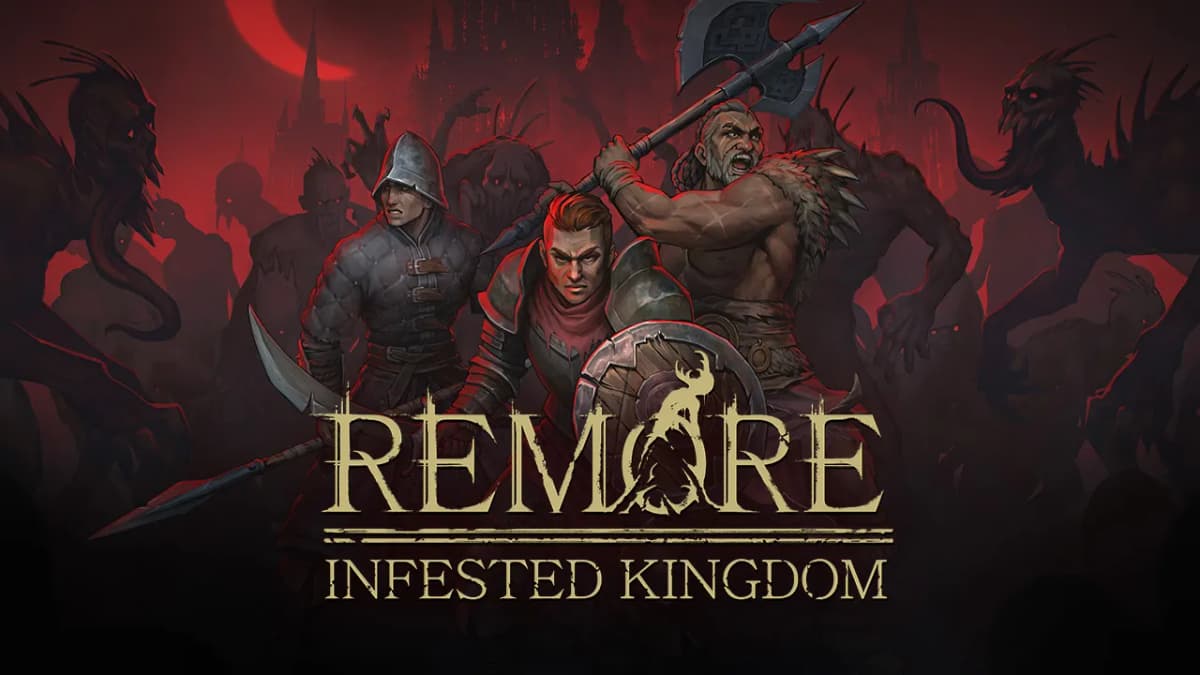
Inquisitor Becket fills a disruption niche. His Fortitude stat—essentially a measure of resistance and impact force—lets him chain uppercuts that stagger enemies, breaking shields and opening targets for your backline. This isn’t a generic “tank”; Becket forces enemies out of position, enabling combo attacks from allies.
Shadow Sister Mienne is a high-risk, high-reward assassin. Her Speed stat governs ambush mechanics: if she initiates combat from stealth on the first turn, she gains a stacking damage bonus and can retreat instantly. Mienne’s kit rewards careful positioning and timing rather than constant frontline skirmishing, making her ideal for players who relish surgical strikes over attrition warfare.
Olivia Boss Fight: A Multi-Phase Challenge
Olivia marks Remore’s first true multi-phase boss. In phase one, she summons cursed guardians and wields area-denial attacks, forcing your team to spread out. Phase two transitions to a duel, granting Olivia new agility buffs and reflecting melee strikes. Finally, phase three introduces a dark zone that drains action points each turn unless you extinguish “Corrupt Flames” on the battlefield. This layered encounter moves away from “alpha strike and pray” patterns—positioning, resource preservation, and phase-specific tactics all matter. Early community reports confirm that naïve frontal assaults end in swift defeat, underscoring the design intent: the fight tests everything you’ve learned, not just brute force.
Quality-of-Life and Accessibility
On the UI front, mission planners now feature a drag-and-drop squad roster, tooltips explain rarely used stats (like Bloodlust, which triggers extra action points on critical hits), and tutorials have been rewritten with step-by-step combat scenarios. The Hideout—the game’s HQ hub—now centralizes shop upgrades, crafting benches, and character story beats. Instead of toggling multiple menus, you talk to key NPCs in one area to advance plot points, accept side quests, or forge gear with combined resource tiers.
Narrative Integration and World Impact
By linking world state to player action, the update ensures that every choice feels weighty. Complete a Restoration challenge, and you unlock a new NPC, trigger diary entries referencing past expedition failures, and watch enemy spawn rates drop on next deployment. This is the promise that many RPGs make but few execute: your actions reshape the map, affect story branches, and alter combat conditions. If you backtrack later, you might find previously impassable ruins cleared, opening fresh routes and hidden side missions tied to your past decisions.
What This Means for Genre Fans
For those tired of shallow tactics-likes that rely on attrition or cookie-cutter builds, Remore’s update is a meaningful step forward. It mixes strategic depth—via exploration planning and multi-phase encounters—with narrative weight, where your expedition choices have clear, visible outcomes. Objectively, the game’s complexity has increased, and players will need to balance Restoration progress, squad synergy, and resource allocation more carefully. In my opinion, if Black Anchor maintains this design philosophy, Remore could set a new bar for how indie tactics titles integrate story and systems.
TL;DR
Remore: Infested Kingdom’s June 2025 update isn’t just more content—it’s a cohesive overhaul. With open-ended maps, a true multi-phase boss, two distinct new characters, and mechanics that tie narrative progress to gameplay, this patch deepens strategy and ensures your choices genuinely shape the world.