
Table of Contents (8)
Why This Report Hit Hard for Adventure Fans
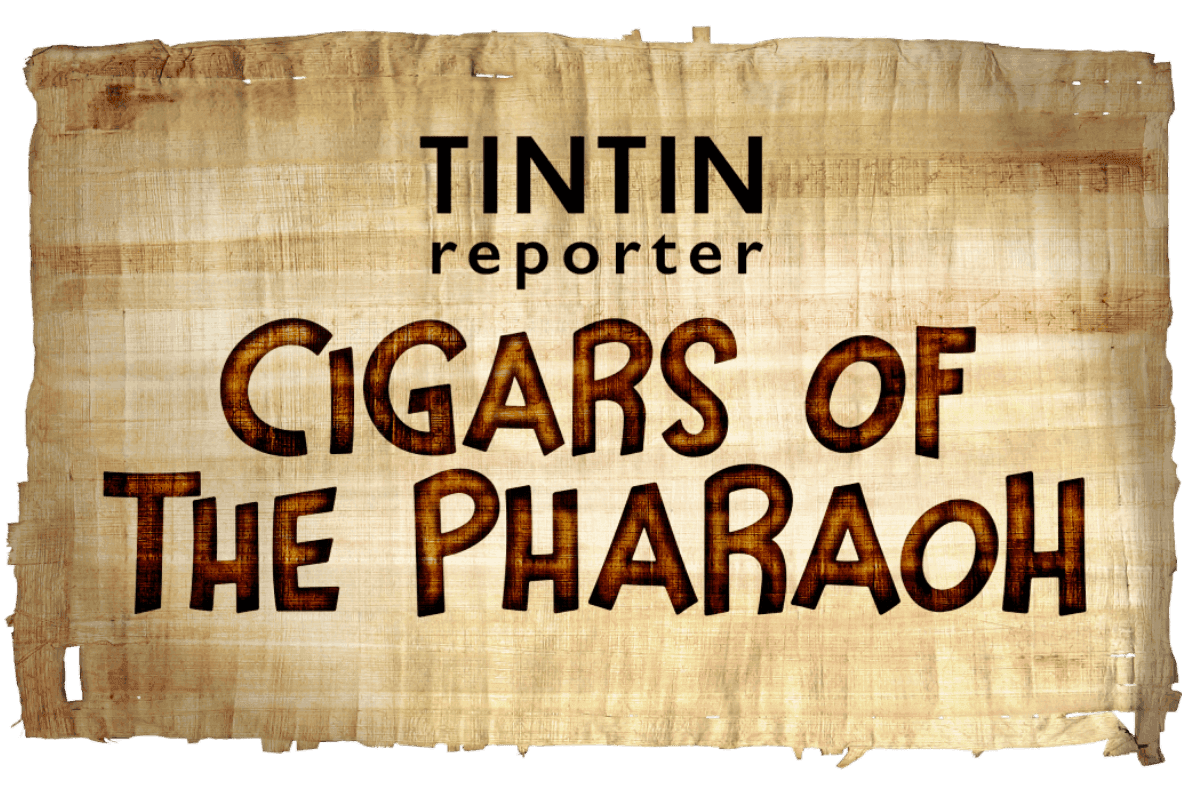
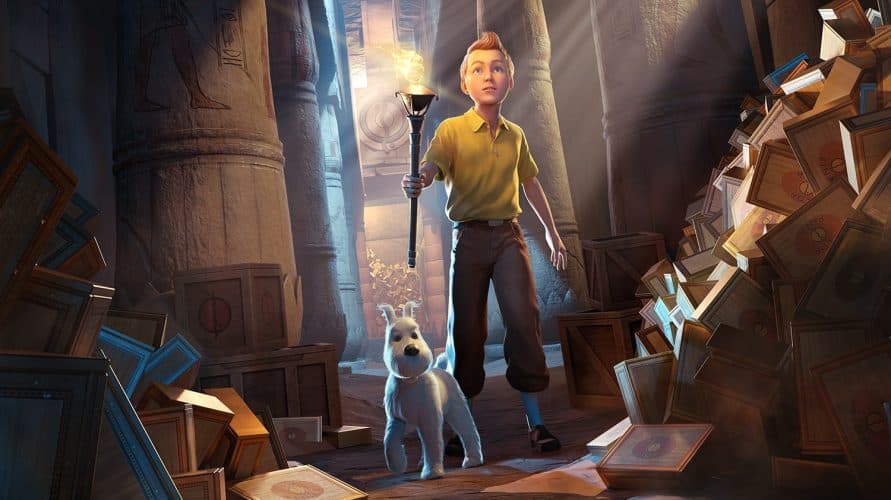
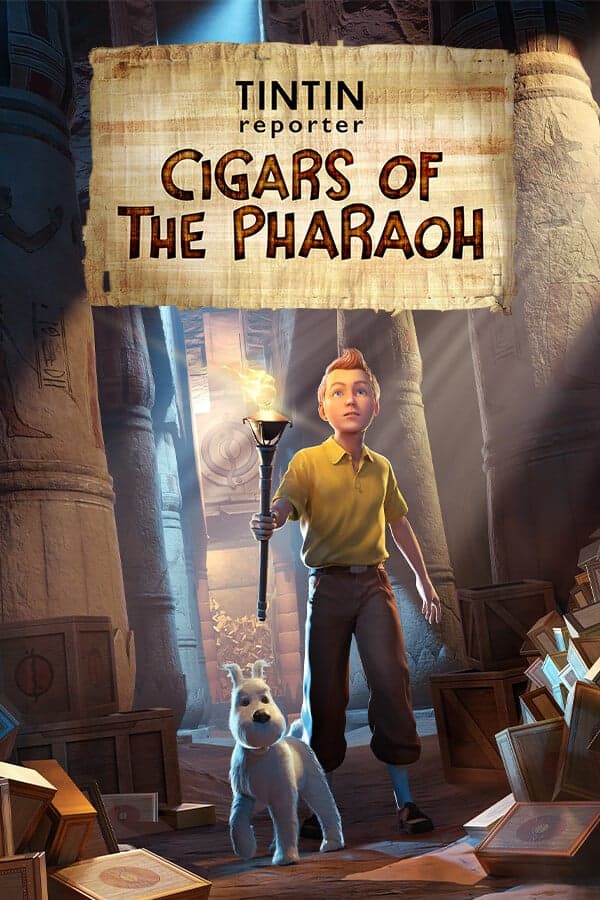
This one stings. A report out of Spain claims Pendulo Studios-the Madrid team behind Runaway, Blacksad: Under the Skin, and last year’s Tintin Reporter: Cigars of the Pharaoh-has quietly closed after laying off 43% of staff in March. According to the report, a former employee says no activity has resumed since. There’s no official statement as of writing, but if true, it’s the end of a studio that kept the classic European adventure flame alive for nearly three decades.
I grew up on Pendulo’s brand of pulpy, cartoon-styled mysteries. Runaway wasn’t just another point-and-click-it helped keep the genre alive in the early 2000s when the mainstream had moved on. Even when Pendulo missed (and they did), you could feel the intent: character-first stories, stylish art, and puzzles that occasionally made you want to throw your mouse, in the best way.
Key Takeaways
- Reports suggest Pendulo shut down after March layoffs, with no activity since, and no public confirmation.
- Tintin’s poor reception and a rocky collaboration with publisher Microids reportedly pushed the studio over the edge.
- Pendulo’s closure would be a blow to the AA adventure niche that thrives on licensed IP and mid-budget storytelling.
- It’s another cautionary tale: licensed projects can’t paper over tight budgets, short timelines, and shaky production.
Breaking Down the Report
Spanish outlet MeriStation cites an ex-employee who says management downsized in March and effectively shuttered operations afterward. Other regional reports have echoed the story. The alleged reasoning lines up with what we saw publicly: Tintin launched in rough shape, critics weren’t kind, and community sentiment on consoles was harsher than on PC. If you played it, you likely felt the seams—stiff stealth sections, uneven pacing, and a smattering of bugs that never quite got out of the way of Hergé’s charm.
The other piece is the publisher dynamic. Microids has become the go-to European label for beloved Franco-Belgian licenses—Asterix, Smurfs, Tintin—but the output is hit-and-miss. When it works (Smurfs: Mission Vileaf quietly slapped), it’s because scope and budget match ambition. When it doesn’t, you get a recognizable IP shipped on a timeline that feels like it was designed around a marketing window, not production reality. The report calls the collaboration “houleuse” (rocky), which tracks with what landed on shelves.
Pendulo’s Legacy: Style Over Bloat
Pendulo never chased the open-world zeitgeist or live-service carrots. From Hollywood Monsters in the late ’90s to Runaway’s trilogy in the 2000s, their games were compact, character-led, and unapologetically European in tone. Blacksad: Under the Skin might be their most ambitious project—an atmospheric detective adventure that launched too rough, got patched into something respectable, and still holds a special place for fans of the comics. It’s the kind of gritty, animal-noir experiment you don’t get from risk-averse mega publishers.
Were the puzzles sometimes obtuse? Absolutely. Did the writing veer into corny? Also yes. But Pendulo cared about craft, and that artistry—hand-painted backdrops, expressive 3D characters, a love of pulp—gave their games a texture that outlived their budgets.
The Real Story Behind Another AA Casualty
Assuming this closure is legit, it’s part of a larger contraction. The past two years have been brutal for mid-sized studios. When funding dries up and platform holders get skittish, licensed games become a lifeline—and a trap. You get the visibility of a big IP, but you inherit approvals, tight milestones, and limited room for iteration. Tintin needed time to gel; instead, it played like a checklist, which is the worst way to adapt a beloved comic that lives on vibe and clarity.
Meanwhile, the adventure space hasn’t died; it’s fragmented. On one end, you’ve got prestige indies like What Remains of Edith Finch and Return to Monkey Island proving there’s appetite for strong writing. On the other, narrative-heavy AA teams (Deck Nine, Telltale’s revival) are threading needles with careful scope. Pendulo sat in the middle with classic-adventure DNA and licensed ambitions—an awkward place when costs rise and patience shortens.
What Gamers Should Watch Now
For fans, the immediate question is what happens to Pendulo’s IP. Some rights likely sit with publishers, others with the studio—details are murky. Don’t expect quick remasters or sequels unless a publisher sees clear upside. If the team truly dispersed, the best-case scenario is a diaspora: designers and writers landing at narrative-forward studios, bringing Pendulo’s sensibilities with them.
If you’re craving that vibe, there are solid paths: Thimbleweed Park for classic puzzle energy, Blacksad if you can tolerate remaining jank, and the modern narrative lane—Life is Strange, Pentiment, Telltale’s The Expanse—if you want story without pixel-hunting. And yes, if you missed Runaway, the trilogy is still out there, and it’s a time capsule of what early-2000s European adventure did best.
Why This Matters Beyond Nostalgia
Pendulo’s suspected closure isn’t just the end of a studio; it’s a warning about the AA tier that gives us weird, personal games. When mid-budget teams vanish, the market drifts toward extremes: tiny indies and giant blockbusters. That’s a poorer landscape. We need studios that can take a beloved license, aim for something tasteful and human-sized, and not get crushed by deadlines or expectations.
TL;DR
A report says Pendulo Studios has quietly closed following major layoffs and Tintin’s rough launch. It’s a gut punch for adventure fans and another data point in the AA squeeze. If true, Pendulo leaves behind a messy, memorable legacy—one worth playing, even as the studio’s future fades to black.
FinalBoss // Gear
Level up your setup
01Top-rated gaming headsetson Amazon→02High-refresh gaming monitorson Amazon→03Gaming chairson Amazon→04Discounted game keyson Kinguin→Affiliate links · As an Amazon Associate, FinalBoss earns from qualifying purchases.
Want to Level Up Your Gaming?
Get access to exclusive strategies, hidden tips, and pro-level insights that we don't share publicly.
Ultimate Gaming Strategy Guide + Weekly Pro Tips