
Why Resident Evil Still Sits at the Heart of Horror Games
Resident Evil gets called the “father of survival horror” so often it’s easy to forget it had parents, cousins, and a few unhinged experimental relatives. With remakes and reboots popping up everywhere, now’s a good time to zoom out and look at the games that taught Capcom how to scare us — and the ones that took that lesson and ran with it.
Table of Contents (15)
TL;DR / Key Takeaways
- This is a playable roadmap: 12 titles that show how horror evolved from text parsers and haunted mansions to modern over-the-shoulder terror.
- Resident Evil stitched together earlier ideas (puzzles, fixed cameras, scarcity) and then became the reference point for many later hits.
- If you’re new to survival horror, start with the Resident Evil 2 remake (2019) or the 2002 Resident Evil remake; for a modern twist, play Dead Space (2008) or Bloodborne (2015).
Below I keep the tone casual — think of this as a friend walking you through the family photo album of horror games, pointing out the awkward uncles and the genuinely brilliant ancestors. I’ll flag platform and year on first mention, and clarify terms like “fixed camera angles” and “tank controls” where they first appear.
1. Shadowgate (1987, Mac / NES)
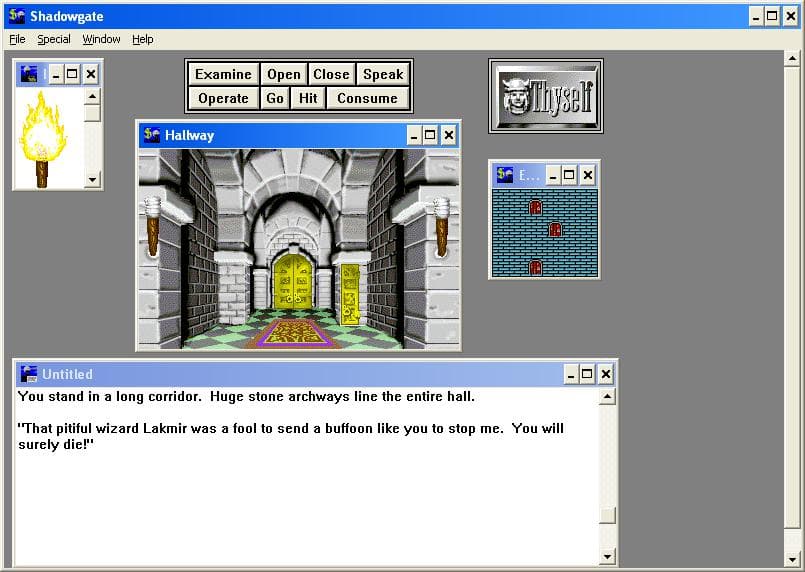
If you want to trace Resident Evil’s puzzle-mansion DNA, start at Shadowgate. This Mac classic (later ported to NES) used a text-parser interface that had players type verbs to interact with objects — poke torch, examine skull — and it built tension by making experimentation dangerous. You could be killed instantly for the smallest mistake.
That feeling — vulnerability wrapped around puzzle solving — is foundational. The game’s static, framed screens felt like individual horror movie stills: a shadowed stairway, an ominous sarcophagus. “Fixed camera angles” (pre-set views that don’t follow the player) later became a deliberate tool in Resident Evil: they hide threats and turn every doorway into a possible jump scare. Shadowgate didn’t invent fear; it taught designers how to squeeze dread out of a locked door and a single torch.
2. Doom (1993, PC)
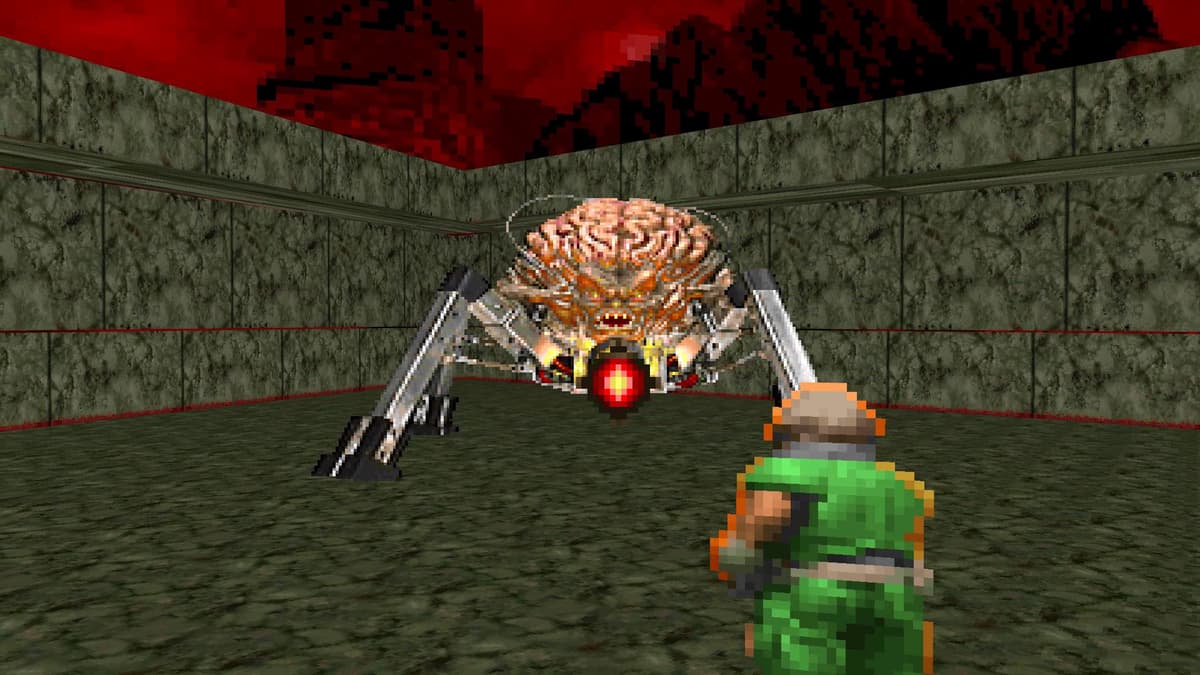
People remember Doom (1993) as an FPS power fantasy, but played in the dark with headphones it’s uncanny how much of it feels like a haunted house. The low, pulsing soundtrack, distant monster groans, and pitch-black corners where something scuttles — all of that builds paranoia.
Doom’s lesson for horror was about pace and sound. It weaponized momentum and ambushes: you’re powerful, but often outnumbered and visually limited. Resident Evil learned the opposite of Doom’s speed: take that sense of being on-edge and slow it down until every enemy encounter becomes a careful decision. In short: Doom showed horror could live inside aggressive gameplay; Resident Evil learned to stretch that aggression into dread.
3. Clock Tower (1995–1996, SNES / PlayStation)

Clock Tower feels like an alternate horror timeline — a game where you never get a weapon and hiding is the only toolkit. It’s essentially a playable slasher movie, with fixed cameras, stalking antagonists (hello, Scissorman), and multiple bad endings that punish complacency.
Clock Tower’s contribution is tone and helplessness. Long stretches of silence punctuated by abrupt cutscenes make your own footsteps feel loud. That technique — silence as a pressure cooker — is something Resident Evil borrows for pacing (and that famous dog-through-the-window scare fits neatly into the same tradition). Clock Tower also foreshadows modern stealth-and-hide indie hits like Outlast and Amnesia, which favor panic and evasion over gunplay.
4. Resident Evil (1996, PlayStation)
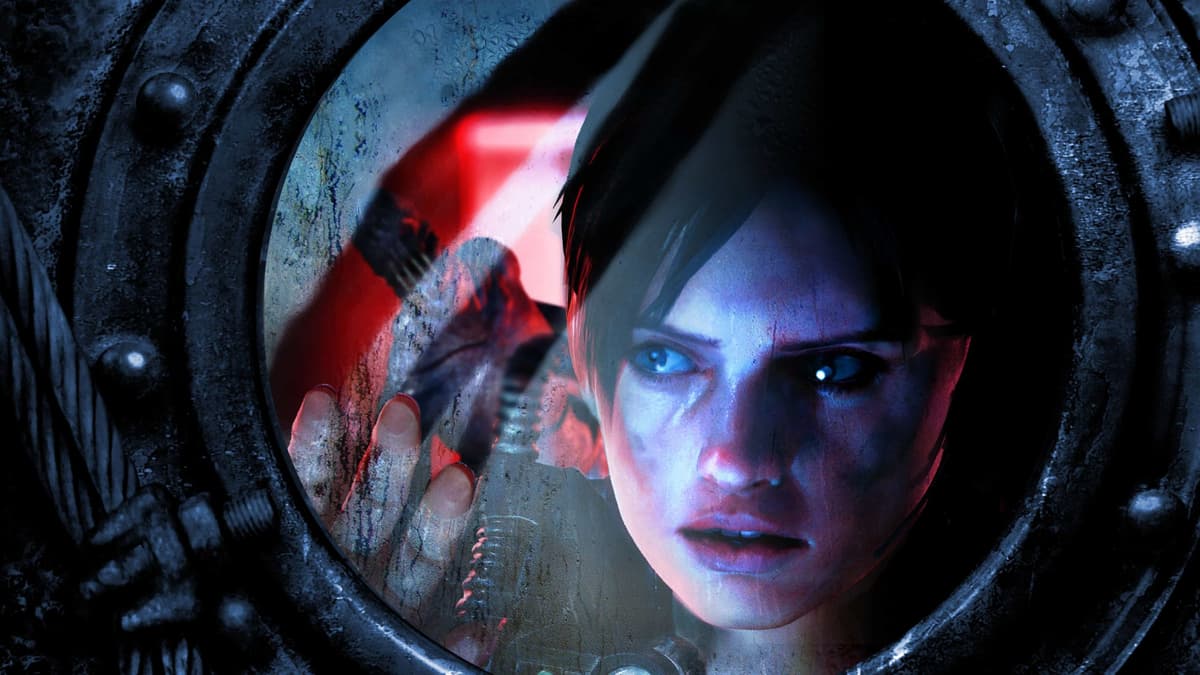
This is the point where many threads converge. Resident Evil (1996) took the puzzle-box feel of earlier adventures, combined it with fixed camera framing, added limited resources (ink ribbons for saving, small inventory slots), and introduced “tank controls” — a control scheme where pressing up moves your character forward relative to their facing, rather than the camera’s direction. Tank controls made every turn into a tactical choice and every enemy encounter feel risky.
The game turned resource management into terror: do you save now with a rare ink ribbon, or risk continuing? Do you carry shotgun shells or that strange key? The 2002 GameCube remake refined those ideas further (new areas and improved monsters), but the original’s influence is everywhere: safe rooms, item boxes, and environmental storytelling all trace back here.
5. Castlevania: Symphony of the Night (1997, PlayStation)

On paper, Symphony of the Night is an odd inclusion: it’s fast, exploratory, and an RPG-meets-platformer. But it’s crucial for understanding where horror could go once it embraced player power. Alucard’s castle is a playground you want to conquer, not escape.
This introduces the idea that horror dressing (gothic architecture, monster motifs, eerie soundtrack) can sit on top of empowering gameplay. Later Resident Evil entries — especially post-RE4 — lean into upgrade paths, optional bosses, and escalating power that flip the genre from “can I survive?” to “how gleefully can I destroy this nightmare now?”
6. Silent Hill (1999, PlayStation)
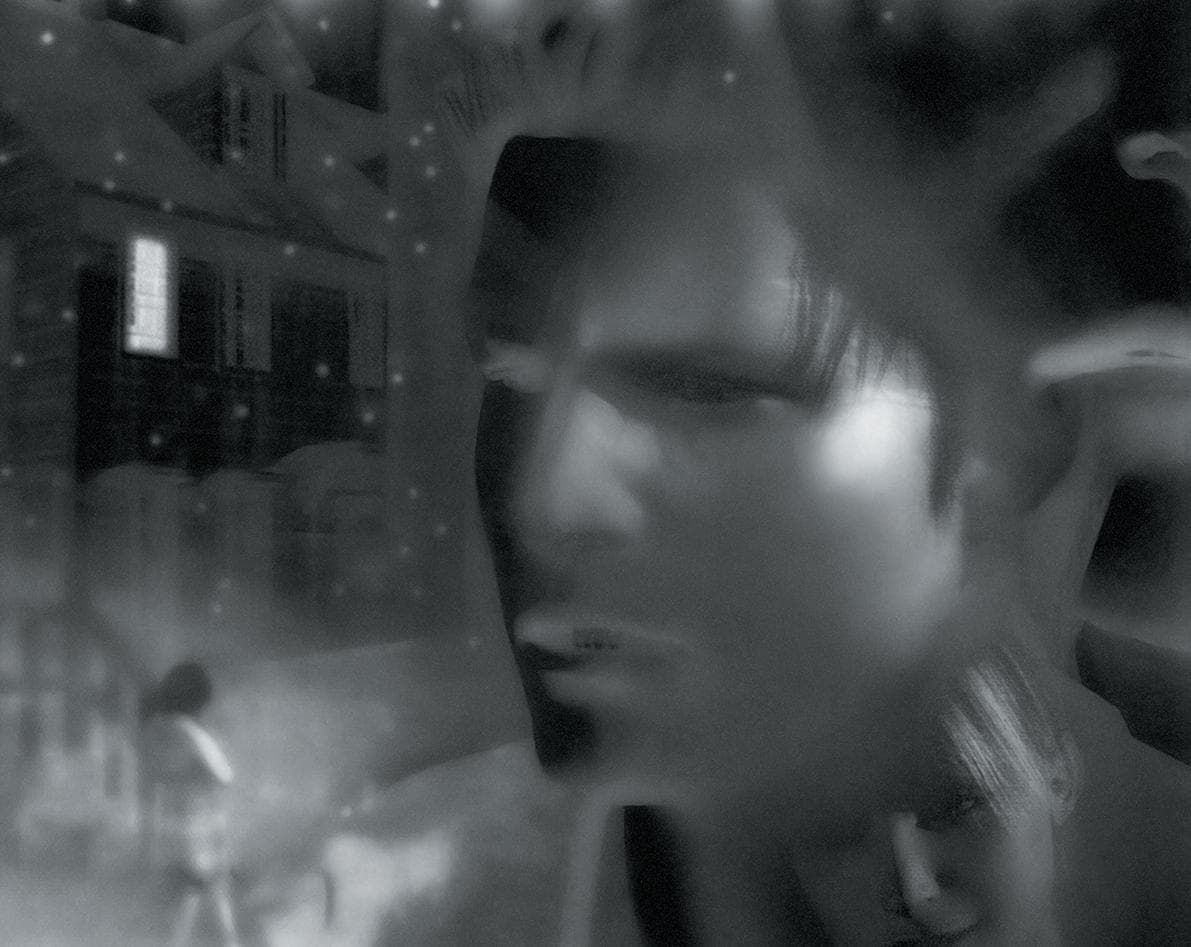
If Resident Evil is about surviving physical monsters, Silent Hill is about surviving the monsters inside your own head. Konami took similar third-person mechanics and twisted them toward psychological horror. The fog (originally a hardware trick to hide draw distance) became a metaphor: you can hear things before you can see them, and that uncertainty is core to the fear.
Silent Hill introduced ambiguity, symbolic enemies, and endings that respond to player choices — all of which nudged horror toward introspection. When Resident Evil occasionally leans into mood and disgust (see RE7), you can feel Silent Hill’s influence: atmosphere over jump scares, unease over spectacle.
7. Eternal Darkness: Sanity’s Requiem (2002, GameCube)
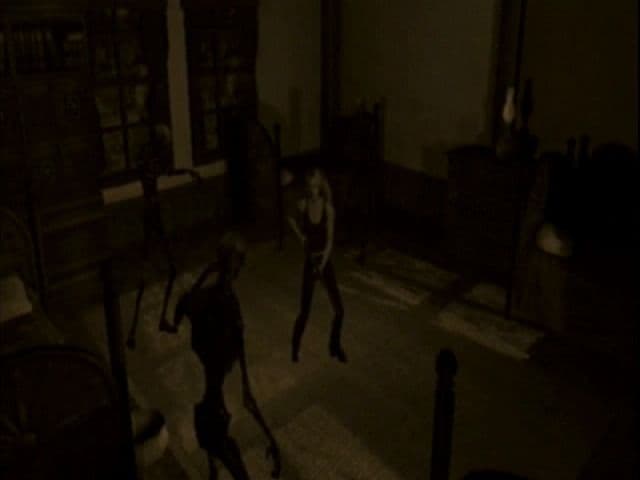
Silicon Knights did something bold on GameCube: it made the game itself a weapon. Eternal Darkness used a “sanity” system that didn’t just affect the character — it messed with the player’s screen. Fake volume sliders, bogus memory-card warnings, and simulated crashes broke the fourth wall and attacked your trust in the interface.
Structurally it also jumped through eras and protagonists, assembling a cosmic-horror conspiracy across centuries. Its legacy is obvious in modern indies that glitch UIs or fake crashes to spook players; the lesson is that horror can target the player’s sense of control as well as the avatar’s.
8. Fatal Frame II: Crimson Butterfly (2003, PlayStation 2)
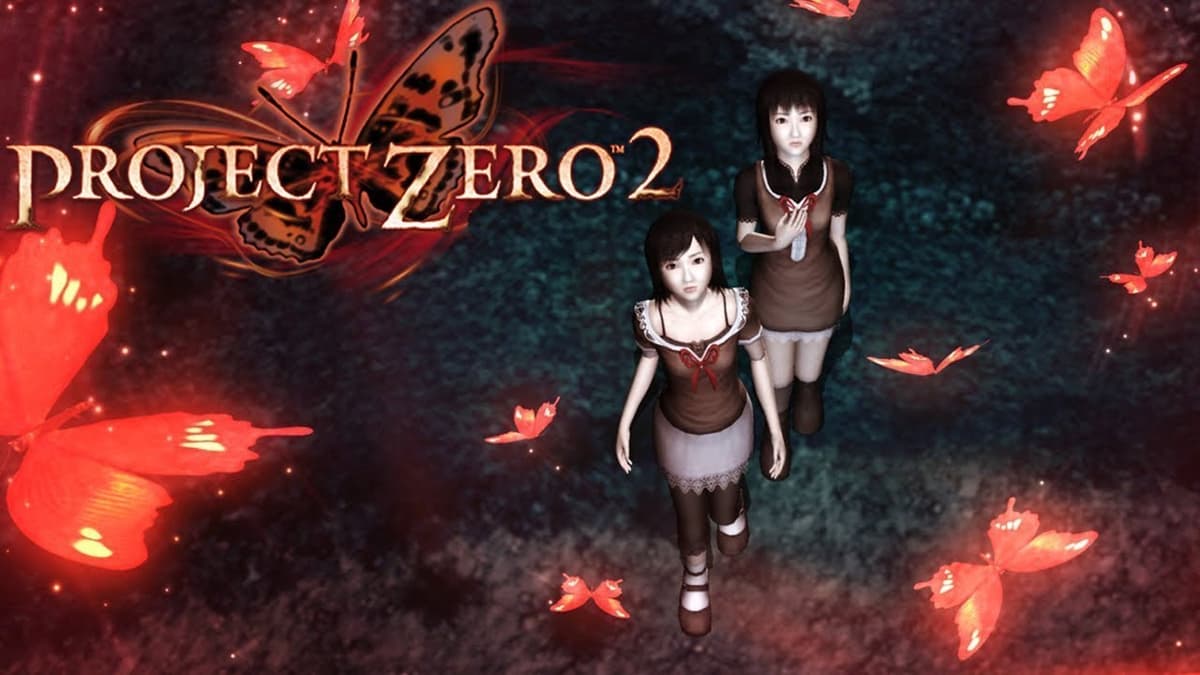
Where Resident Evil hands you a shotgun, Fatal Frame II hands you a camera. The fight is literally framing the thing you fear and forcing it into the lens. Set in an abandoned village steeped in ritual tragedy, it trades pulp virus lore for quiet melancholy and ghost-story dread.
Mechanically, it’s still survival horror: limited resources, save points, and the looming possibility of getting lost in a hostile space. But its emotional tenor is different — sadness and ritual replace gore and conspiracy. With a modern remake on the horizon, Crimson Butterfly reminds us that vulnerability and intimacy can be as potent as a dozen shotgun blasts.
9. Resident Evil 4 (2005, GameCube / PS2)
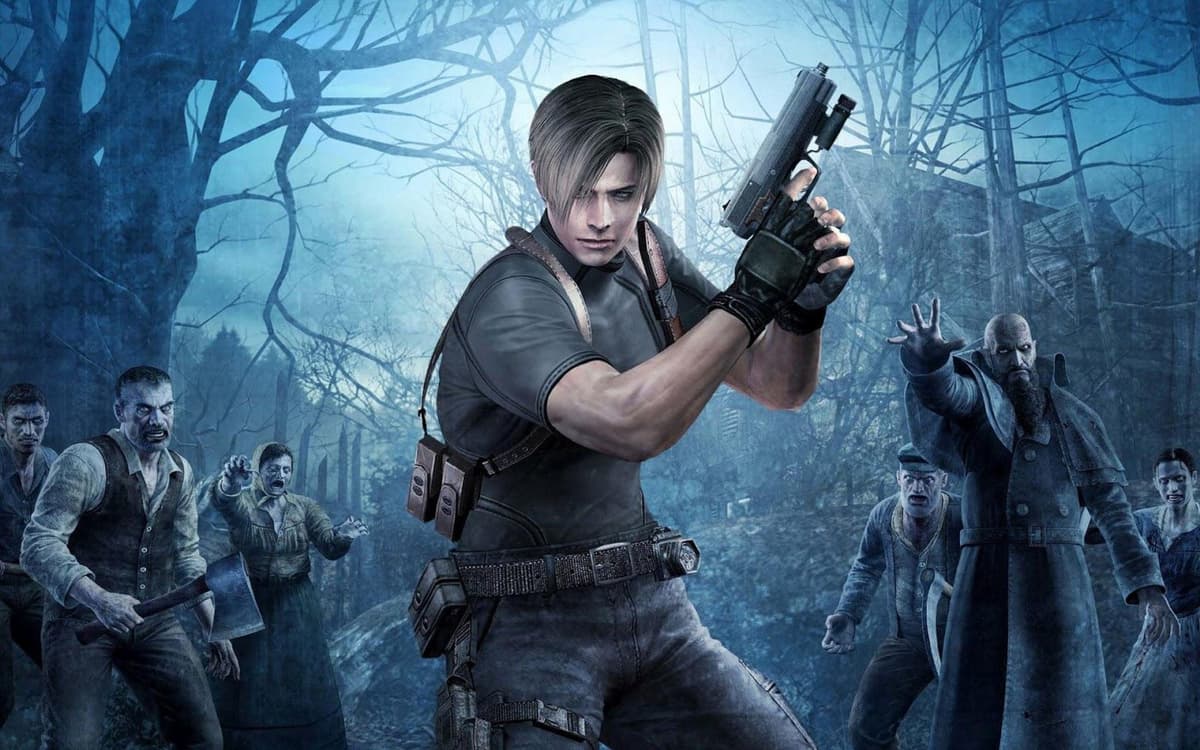
Resident Evil 4 is the pivot where the series — and much of action gaming — changed. The camera moves over the shoulder (an “over-the-shoulder” camera follows behind the player, giving an immediate, aiming-focused perspective), and aiming becomes tactile. That small shift turned every courtyard and hallway into a pressure cooker filled with smarter, faster threats.
RE4 yanks players between swagger and panic. You can upgrade into a small arsenal via the merchant, but every new enemy design resets the fear. The game’s template influenced everything from Dead Space to contemporary third-person action titles, proving you could have big set-pieces and still keep the player uneasy.
10. Dead Space (2008, PS3 / Xbox 360 / PC)
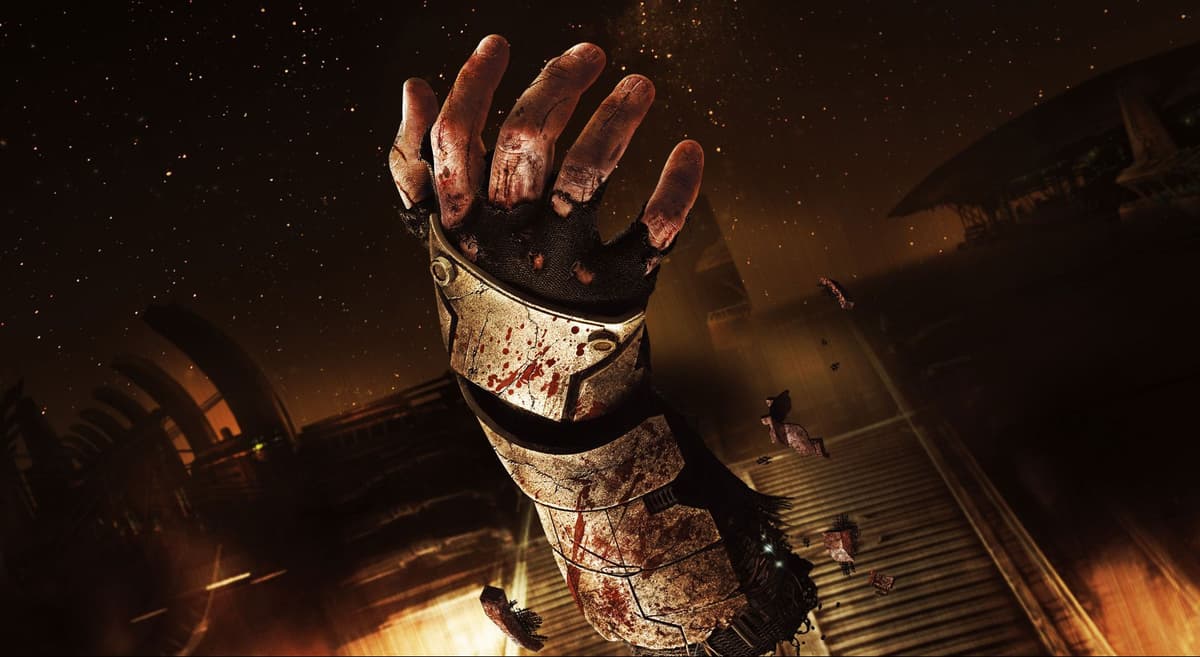
What if you took RE4’s over-the-shoulder aiming and dropped it on a derelict spaceship? That’s Dead Space. It turned combat into surgical dismemberment — you’re rewarded for shooting limbs, not heads — and committed to diegetic design: the HUD is built into the world (Isaac’s health is on his suit), and menus project into space.
Diegetic interfaces remove the comforting “gamey” frame and make ambushes feel raw. Combine that with brilliant sound design and oppressive corridors, and you get a modern spiritual successor to the slow-burn tension Resident Evil popularized, but with a unique body-horror spin.
11. Bloodborne (2015, PS4)
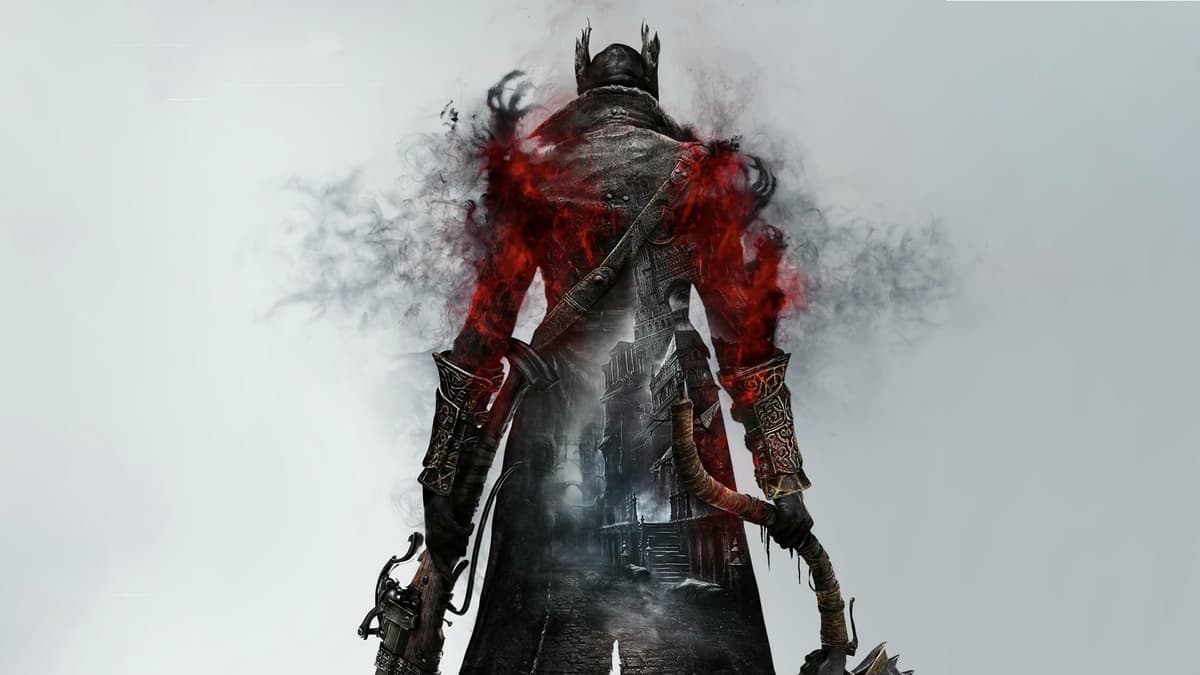
Bloodborne sits far from RE’s slow corridors: it rewards aggression. But it’s a masterclass in making powered-up combat still feel horrific. Yharnam’s architecture, looping level design, and escalating enemy weirdness turn every victory into a question: did I just survive, or did I step deeper into the nightmare?
Bloodborne shows horror can be ornate and violent without losing dread. Where early REs banked on fragility, Bloodborne proves horror can also be a high-stakes, gothic action opera — the kind of evolution that began with games like Symphony of the Night and arcs through the series’ later, more bombastic entries.
12. Resident Evil 2 Remake (2019, PS4 / Xbox One / PC)
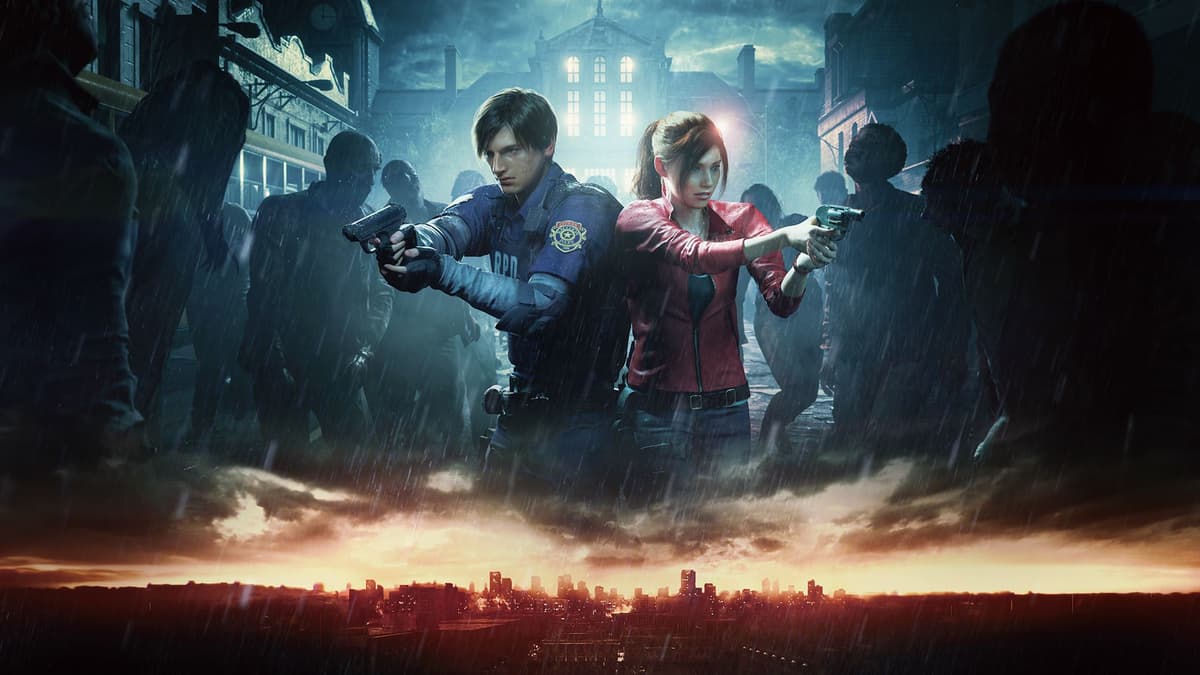
The loop closes with Resident Evil 2 Remake. It reconstructs a pre-rendered classic into a modern over-the-shoulder survival horror while preserving old-school bones: item boxes, limited inventory, and safe-room sanctuaries. Mr. X’s slow, relentless stalking is basically an anxiety engine — he forces you to improvise and reroute familiar paths, making the police station feel like a minefield.
This remake showed how well ’90s ideas sing when rebuilt with contemporary tech: spatial audio, improved animation, and tighter pacing turned nostalgia into fresh fear. It also set the tone for modern remakes of other horror classics and proves that the genre’s past is still fertile ground.
Where Resident Evil Fits in Horror’s Ongoing Mutation
Look across these twelve games and you can see horror’s nervous system. Early adventure puzzlers taught designers how to make a single room feel dangerous. Shooters taught atmosphere and the power of sound. PlayStation-era experiments nailed camera language and fragile protagonists. Then RE4 and Dead Space pushed horror into over-the-shoulder action, and Bloodborne turned it into a paced, brutal ballet.
Resident Evil is both student and teacher in that story. It borrowed, refined, and then became the thing others studied and reworked. As remakes keep returning to old designs — and as indie developers remix interface tricks, sanity systems, and camera playbooks — the core lessons remain: limit what the player can do, make them care about resources, and control what they can see and hear. Do that right, and even a single creaky corridor can stay terrifying.
Conclusion
Resident Evil matters because it found a way to take earlier ideas — locked doors, scarce saves, framed shots — and turn them into an emotional engine. The twelve games above are the ones that taught it those lessons, reacted to them, or reinvented them entirely. For newcomers, start with the RE2 remake or Dead Space; for a different kind of dread, try Shadowgate or Fatal Frame II.
Whether you prefer to creep with a camera, dismember in zero-g, or charge through a gothic town swinging a saw cleaver, you’re walking a path traced back to a few simple choices: hide the threat, limit the tools, and let fear do the rest.
FinalBoss // Gear
Level up your setup
01Top-rated gaming headsetson Amazon→02High-refresh gaming monitorson Amazon→03Gaming chairson Amazon→04Discounted game keyson Kinguin→Affiliate links · As an Amazon Associate, FinalBoss earns from qualifying purchases.
Want to Level Up Your Gaming?
Get access to exclusive strategies, hidden tips, and pro-level insights that we don't share publicly.
Ultimate Top Strategy Guide + Weekly Pro Tips