
After bouncing between different Resident Evil games for years, you probably hit the same wall most newcomers do: you want to dive in, but you’re torn between chronology, modern controls, and not spoiling the story beats that matter. Here is the “I wish I’d had this first” breakdown of where to start, written from actually playing through these entries multiple times.
Table of Contents (9)
The short version: pick your starting game by playstyle
If you just want the answer, match yourself to one of these:
- “I want the original mansion story and classic survival horror.”
Start with Resident Evil (2002 remake) on GameCube, PS4/PS5, Xbox, or Switch. - “I want strict chronology from the very beginning.”
Start with Resident Evil 0, then play the 2002 remake. - “I care more about tight, modern gameplay than lore order.”
Start with Resident Evil 4 (2005 original or 2023 remake). - “I want modern first-person horror with no homework.”
Start with Resident Evil 7: Biohazard. - “I mostly want a fast story catch-up, not full playthroughs yet.”
Play Resident Evil: The Umbrella Chronicles (and optionally The Darkside Chronicles), then jump into a mainline game.
Everything below explains why each works, what to expect from difficulty and controls, and the traps to skip.
If you want the “true beginning”: Resident Evil (2002 remake)
When people say “start with the original”, they almost always mean the 2002 Resident Evil remake (the “REmake”). It retells the 1996 PS1 story with much better visuals, tighter level design, and a few nasty surprises that still land today.
Why it’s a great first game
- This is where the series story really begins. You investigate strange murders in the Arklay Mountains and stumble into the Spencer Mansion incident, which the rest of the early games keep referencing.
- It is the core survival horror loop: fixed camera angles, limited ammo, tight inventory, and backtracking through a single cleverly interlocked location.
- Modern controls exist on newer ports. On GameCube, PS4/PS5, Xbox, and Switch you can switch from classic “tank” movement to a modern analogue scheme under
Options → Controls, which makes a huge difference for newcomers.
A serious first run runs about 10-12 hours. The breakthrough comes when you stop trying to kill every zombie and start treating them as obstacles to route around. Once that clicks, the game stops feeling unfair and starts feeling like a puzzle box. For a deeper look at why this mansion is still the genre’s best teacher, read why the Spencer Mansion still teaches horror better than most modern games.
Common first-timer mistakes in REmake
- Wasting ammo on every enemy. If a zombie is off to the side of a corridor, weave around it. Save shotgun and magnum rounds for tougher creatures and bosses.
- Ignoring the map. Hit the map button constantly. It marks locked doors and turns rooms blue once you have cleared everything in them.
- Not planning inventory trips. Before pushing into a new wing, do a quick stash run at an item box: dump non-essentials, take one healing item, one main weapon, and one or two key items.
If you are fine with something that still feels like an early-2000s horror movie, this is the best balance of authenticity and playability, and a very sensible starting point.
If you insist on full chronology: add Resident Evil 0 first
Resident Evil 0 is a prequel set immediately before the mansion incident. On paper it is the earliest point in the timeline you can start from.
What RE0 adds
- More background on Umbrella and its experiments. You see how the outbreak started and who was pulling the strings.
- A two-character “partner zapping” system. You switch between Rebecca and Billy with a button press. Each has different strengths, and you can split them to solve puzzles.
- No shared item boxes. Instead you drop items on the ground and remember where you left them, which completely changes how you plan routes.
Why it is not the best pure first game
- It is less tightly designed than the 2002 remake. The backtracking plus ground-dropped items can feel like a chore while you are still learning the style.
- Some story beats land harder after you know the mansion game. A few character reveals lose impact seen out of order.
- It is more demanding about inventory awareness. Drop the wrong key item in an obscure room and you face a long trek back.
If you truly want chronological order, the clean route is:
- Resident Evil 0
- Resident Evil (2002 remake)
Just be ready for a slightly rougher start. Players who begin with the mansion remake and then go back to RE0 tend to enjoy both more than those who do it the other way around.
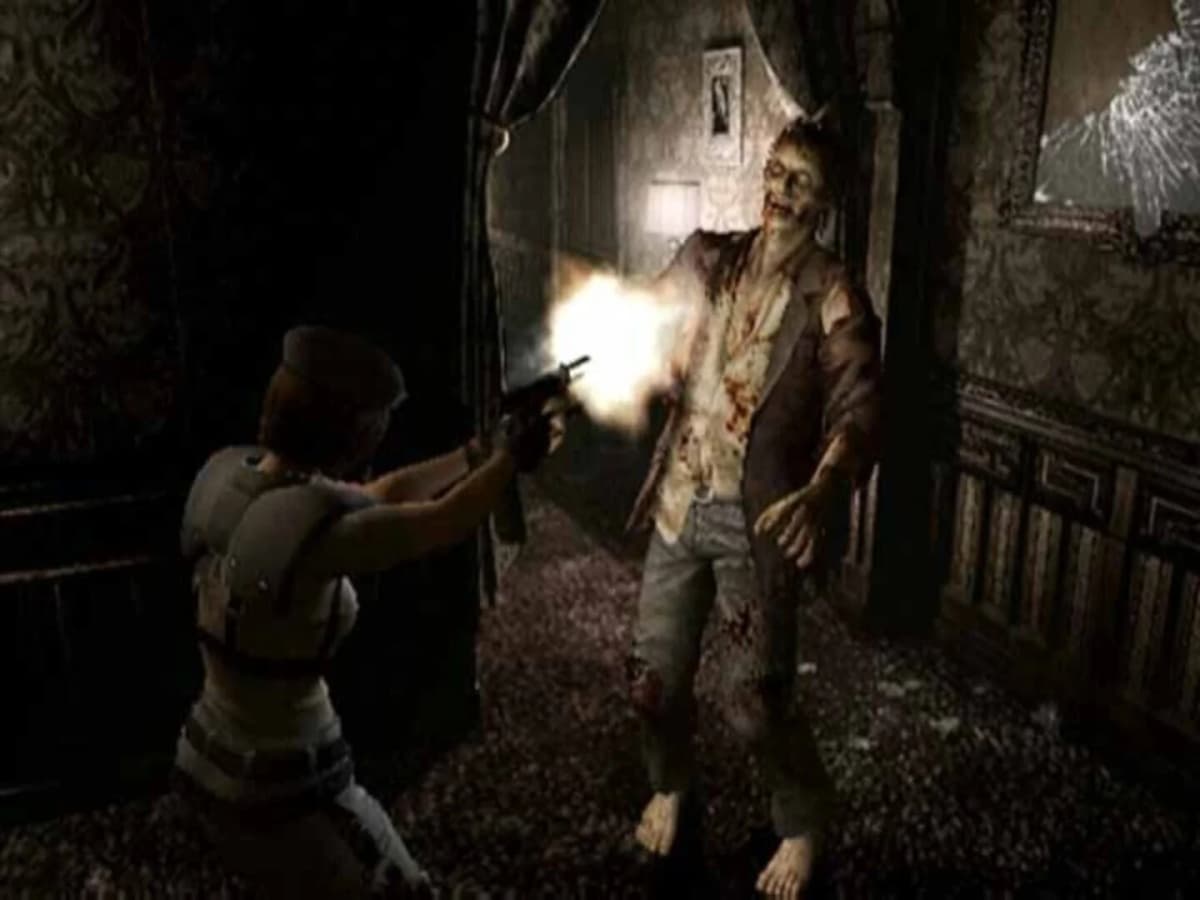
If you want peak action and modern pacing: Resident Evil 4
When friends who don’t usually play horror ask where to begin, point them at Resident Evil 4. Both the 2005 original and the 2023 remake are fast, responsive, and need almost no prior knowledge.
Why RE4 is a fantastic starting point
- Over-the-shoulder shooting that still feels good. Even the GameCube and Wii versions hold up, and the remake refines the formula further.
- A mostly self-contained story. You play as Leon S. Kennedy on a mission in rural Spain; earlier events are referenced, but you will not feel lost.
- Generous checkpointing and ammo. Compared with the fixed-camera games, RE4 lets you be aggressive and rewards skillful shooting over pure resource hoarding.
A first RE4 run is often the moment the series clicks mechanically. Learning to shoot legs to stagger enemies and follow up with a melee kick turns every encounter into a crowd-control puzzle instead of a panic-fest.
Which version should you play?
🎮 Get This Game at the Best Price
Compare prices instantly and save up to 80% on Steam keys with Kinguin — trusted by 15+ million gamers worldwide.
*Affiliate link — supports our independent coverage at no extra cost to you
- Original 2005 RE4: Available on many platforms, including Switch, and still excellent. The visuals and some controls are dated, but the pacing and encounter design are superb.
- RE4 Remake (2023): On PS5, PS4, Xbox Series, and PC. Sharper controls, modern visuals, and some story reworks that tie it more cleanly into later games.
If you are on a Nintendo system, the original is your shot. If you have a PS5 or modern PC, go straight to the remake; it is friendlier to new players without losing the series’ identity.
The one downside to starting with RE4 is that it sets a very high bar. Going from RE4 back to the older fixed-camera titles, the slower pace and controls take some adjustment. Know that going in and treat them as a different flavour of horror rather than worse versions of RE4.
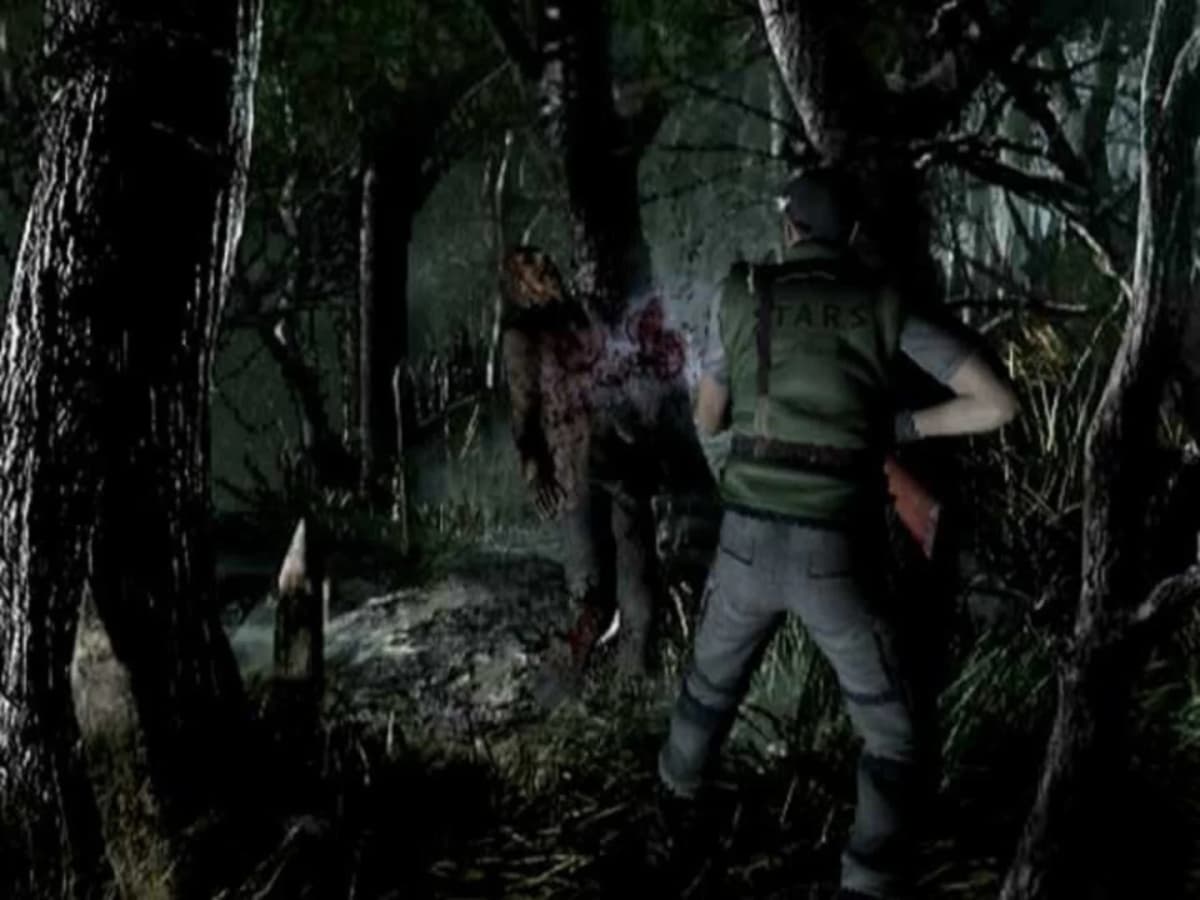
If you want modern first-person horror: Resident Evil 7
Resident Evil 7: Biohazard is a soft reset for the series, this time in first-person. It is one of the easiest games to recommend to anyone who missed everything before it.
Why RE7 works for complete newcomers
- New protagonist, new setting. You play as Ethan Winters, with almost no baggage from earlier plots. Connections to old lore stay in the background until very late.
- Modern movement and aiming. If you are used to contemporary FPS or horror games, RE7 feels natural immediately.
- Compact, focused runtime. A first blind playthrough runs around 10-12 hours: long enough to feel substantial, short enough not to overstay its welcome.
The first couple of hours inside the Baker house are some of the most intense in the franchise. It is far more methodical, claustrophobic, and puzzle-heavy than its first-person camera suggests, much closer to the original game’s spirit than RE6’s action reputation would lead you to expect.
Platform notes
- PlayStation / Xbox / PC: the most straightforward versions, with stable performance and all DLC available.
- Switch: on the original Switch, RE7 is a cloud (streaming) version only, so it adds latency and depends on your connection. Native versions on newer hardware are a much better experience if you have the option.
If your taste leans toward games like Outlast, Amnesia, or contemporary indie horror, starting with RE7 and then branching backwards into the third-person games is a very natural route.
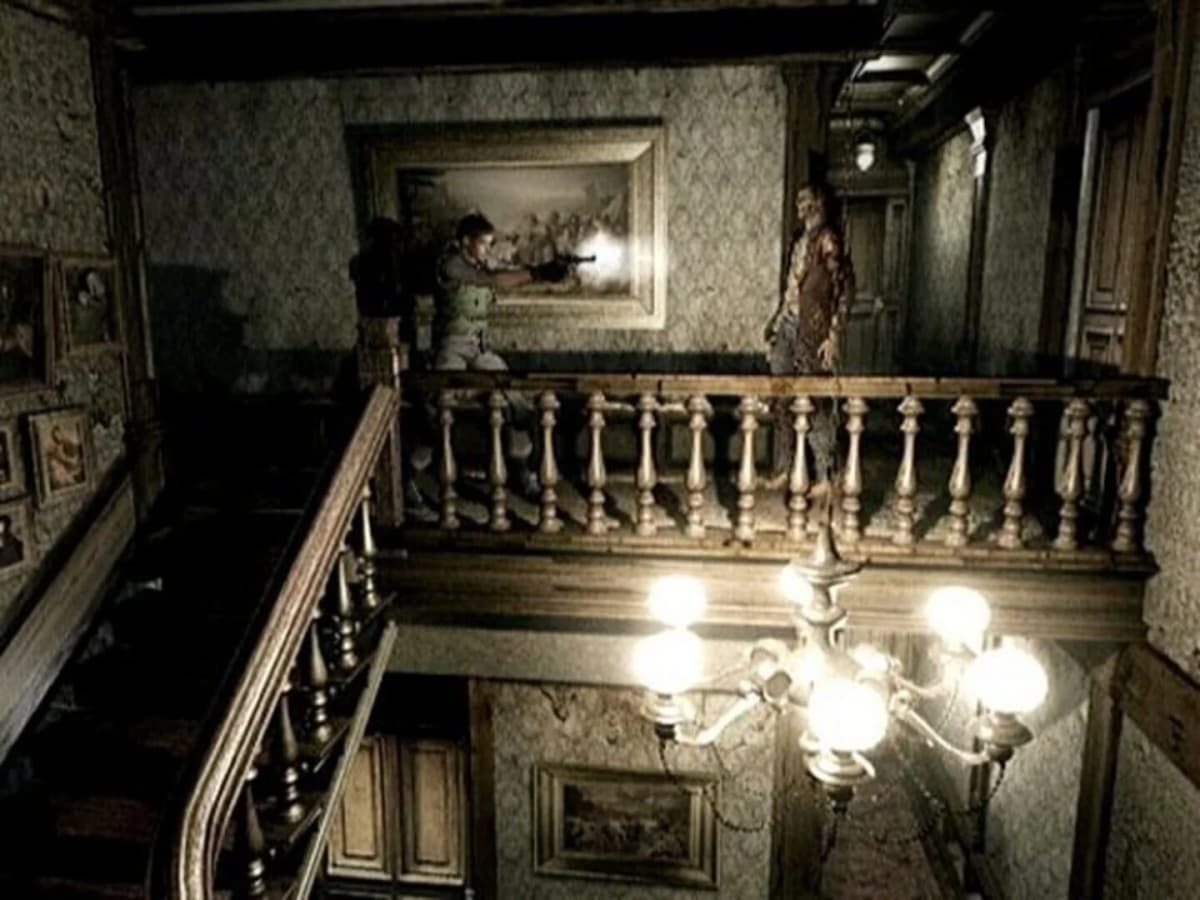
If you mainly want story catch-up: Umbrella Chronicles (and Darkside)
Resident Evil: The Umbrella Chronicles is an on-rails shooter, originally on Wii and later available via certain PlayStation services. It is not representative of how the main games play, but it is surprisingly useful as a story crash course.
What Umbrella Chronicles covers
- Key events from Resident Evil 0
- The main beats of the Resident Evil (2002 remake) mansion story
- Large chunks of Resident Evil 3‘s Raccoon City chaos
- An original scenario that ties some Umbrella threads together
Its companion game, Resident Evil: The Darkside Chronicles, does the same for Resident Evil 2 and Code: Veronica. Playing both gives you a solid overview of the early saga without replaying all the originals. If Code: Veronica is the thread that grabs you, here is what a Code: Veronica remake would need to get right.
When this approach makes sense
- You want to know who Wesker, Chris, Jill, and Leon are before jumping into something like RE4 or RE7.
- You have access to a Wii, Wii U, or compatible PlayStation system and don’t mind motion or pointer controls.
- You are fine with a summary of events rather than the full survival horror experience.
The catch: you lose a lot of atmosphere and nuance. Umbrella Chronicles compresses multi-hour games into short stages and skips puzzles and most of the quieter tension. Treat it as a lore sampler: fun in short bursts, then play a mainline game for the real thing.
How to choose: a simple decision path
If you are still torn, this is the exact decision path to use:
- Step 1 – How much do you care about being there from the very beginning?
If that feeling matters a lot, start with Resident Evil (2002 remake). If not, go to Step 2. - Step 2 – Third-person or first-person?
Third-person action, go with RE4 (2005 or remake). First-person horror, go with RE7. - Step 3 – Are you okay with older design quirks?
If yes, add RE0 before REmake and enjoy the chronological story. If no, stick to RE4 and RE7 first, then loop back to the classics once you are hooked. - Step 4 – Want extra lore without extra playtime?
Slot in Umbrella Chronicles (and optionally Darkside Chronicles) as your interactive recap between main games.
That is all you need. The series looks intimidating from the outside, but every starting point above stands on its own and quietly teaches you how Resident Evil works: when to fight, when to run, how to manage resources, and how to read its level design.
What to play after your first Resident Evil
Once you have cleared your first game, the rest of the route is much easier to plot. These follow-ups feel most natural after each starting point:
- After Resident Evil (2002 remake): play Resident Evil 2 Remake or Resident Evil 0, depending on whether you want a modernised over-the-shoulder sequel (RE2 Remake) or more classic fixed-camera style (RE0).
- After Resident Evil 0: go straight into the 2002 remake. Played back-to-back they feel like one extended story.
- After Resident Evil 4: follow the action thread into RE5, or pivot back to horror with RE2 Remake or the 2002 remake to see where Leon came from.
- After Resident Evil 7: continue Ethan’s story in Resident Evil Village, or jump back to Raccoon City with RE2 Remake.
- After Umbrella / Darkside Chronicles: pick the story that intrigued you most in rail-shooter form, then play its full counterpart (liked the mansion sections? go straight into the 2002 remake).
Don’t get paralysed by the series’ long history. Resident Evil has been around for 30 years, but it is surprisingly welcoming once you pick a starting door and step through it. If you want the full context for why it still holds up, these 12 games explain why Resident Evil still terrifies. Any of the games above can be that first door; the best one is simply the one that matches how you like to play.
FinalBoss // Gear
Level up your setup
01Top-rated gaming headsetson Amazon→02High-refresh gaming monitorson Amazon→03Gaming chairson Amazon→04Discounted game keyson Kinguin→Affiliate links · As an Amazon Associate, FinalBoss earns from qualifying purchases.
Want to Level Up Your Gaming?
Get access to exclusive strategies, hidden tips, and pro-level insights that we don't share publicly.
Ultimate Guide Strategy Guide + Weekly Pro Tips