
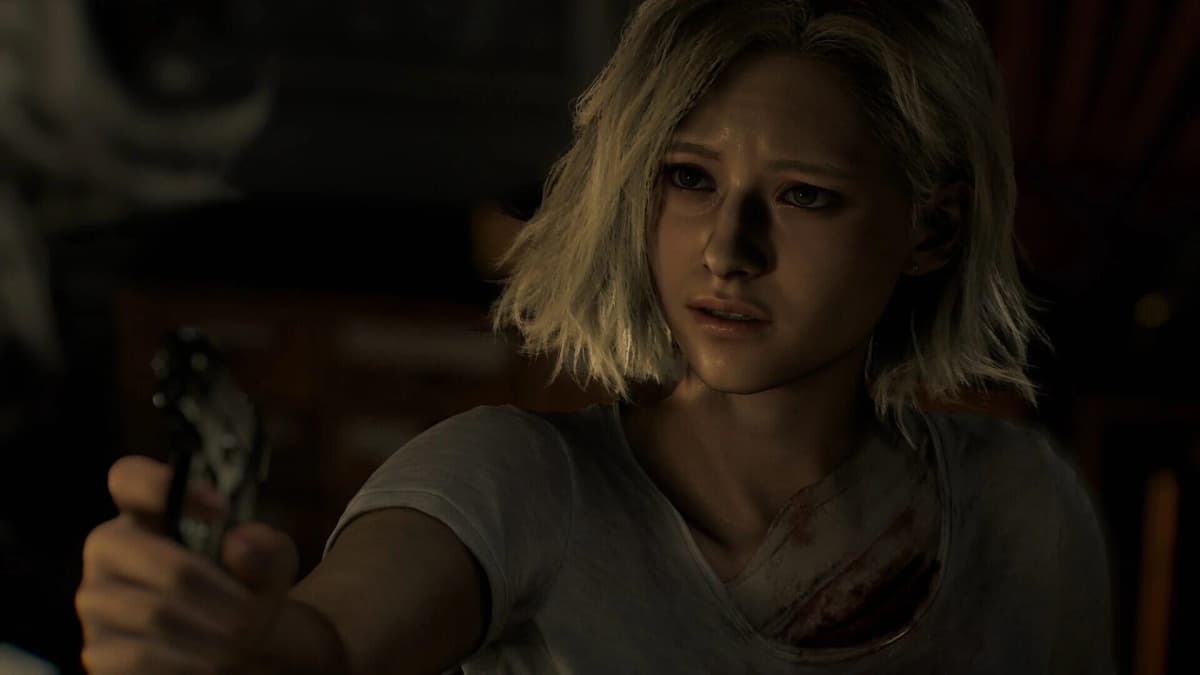
There is a peculiar moment of betrayal that happens at the start of nearly every modern horror game. You power up Resident Evil Requiem-already more than six million copies deep into the culture after just over a month-and the first thing the engine asks you to do is lie to it. That calibration screen. The pattern buried in blackness. The instruction tells you to crank the brightness until the shape disappears completely, and if you obey, you have just voluntarily stripped the game of its teeth.
This is not a new con. Horror games have been handing out the same self-sabotaging advice since the HD era. The logic comes from broadcast television standards: crush the blacks, hide the noise, make the image “clean.” But horror does not want clean. Horror wants obscurity. Resident Evil Requiem is built on the assumption that some corners of Rhodes Hill are meant to stay unknowable until your flashlight finds them, and if you set your gamma high enough to sterilize those shadows, you are not playing the game Capcom shipped. You are playing a bad action movie with the contrast turned down.
Table of Contents (5)
Lean Into Darkness or Light Up the Board?
Requiem forces the question because it is structurally split. Grace’s sections are nerve-shredding survival horror: underpowered, hiding in lockers, praying the footfalls pass. Leon’s sequences are mechanically polished action-hero fantasy, the kind of thing that made his name a household word. Those two modes demand different relationships with the dark. When I am Grace, stalking through the basement meat processing room, I want the blacks to swallow detail. I want to feel the texture of not-knowing. When I am Leon, lining up shots on targets across a courtyard, I need readable silhouettes.
Neither approach is wrong, but they are not equal. The “raise visibility” crowd usually defends their choice as accessibility or comfort, and I get it-no one wants to die because a crawler was hiding in an unlit pixel. But there is a difference between tuning for your eyes and blowing out the image because the game told you to. The first is smart. The second is surrender.
The Ghost in the Calibration Screen
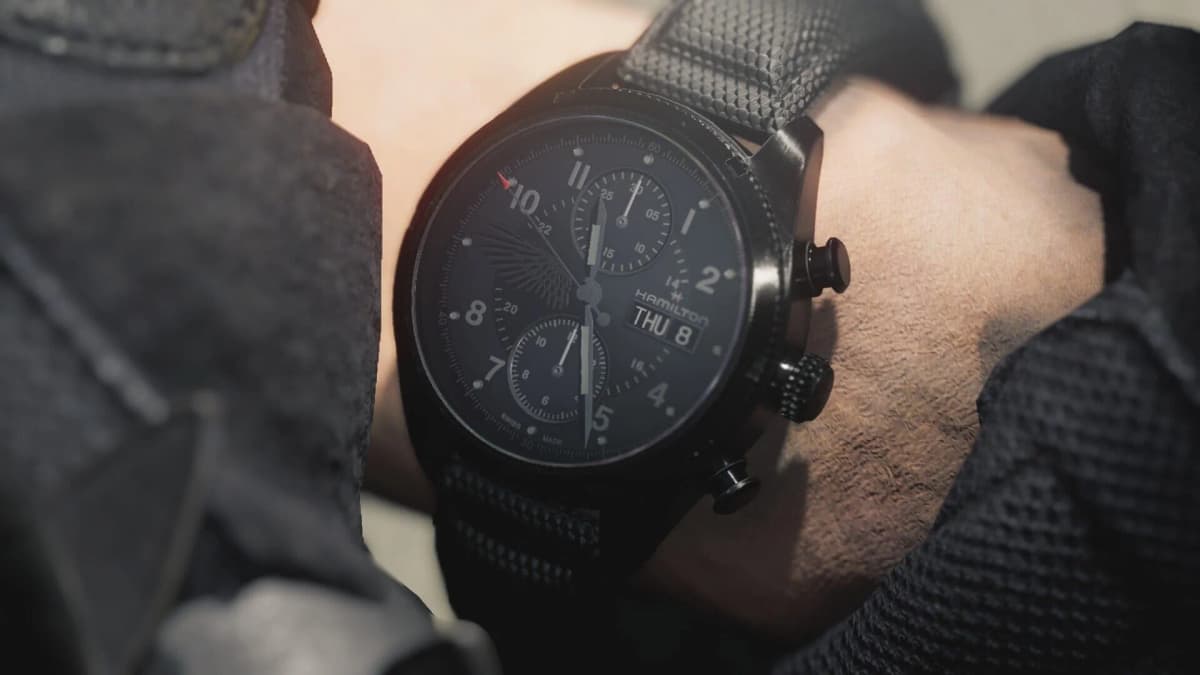
Here is the adjustment that actually works. Do not adjust the bar until the pattern disappears. Adjust until the pattern is a faint ghost—just barely visible. If you nuke it completely, your gamma is too high, your mid-tones wash out into flat gray, and the darkest parts of Requiem stop being dark at all. They become muddy. You lose the subtle detail in the shadows, and more importantly, you lose the fear factor that makes Grace’s hide-and-seek sequences work.
The blacks should stay deep and rich, not crushed into digital nothingness, but not lifted into charcoal soup either. When I calibrated my own setup for Requiem, I kept that test pattern as a whisper. The result was immediate: the meat processing room in Rhodes Hill stopped looking like a brown waiting room and started feeling like a trap. That matters, because if you are hunting the Final Enigma and need to survive fifteen minutes in that basement as Grace, the darkness is doing half the horror work for the designers.
What to Adjust First
If the default feels wrong, treat your settings like a loadout. Start with gamma—your baseline brightness—and lock it to that barely-visible ghost. Do not touch it again. If enemy tells are still unreadable, adjust contrast next, not gamma. Contrast sharpens the separation between light and dark without lifting the floor of your blacks. On an OLED or a decent local-dimming display, this is where the magic happens: you keep the abyss while giving the lit elements pop.
HDR and peak brightness are the traps. On PS5 or Series X, cranking peak brightness feels good in menus, but in Requiem it can fool you into thinking your shadows are deep when they are actually just dimly lit. High dynamic range should enhance the distance between a flashlight beam and the void, not turn the void into gray mist. If your display supports it, calibrate HDR separately and keep the tone mapping conservative. PC players on Steam have more granular control, but the same rule applies: do not use HDR as an excuse to brighten everything.
Dying to the Dark vs. Dying to the Design
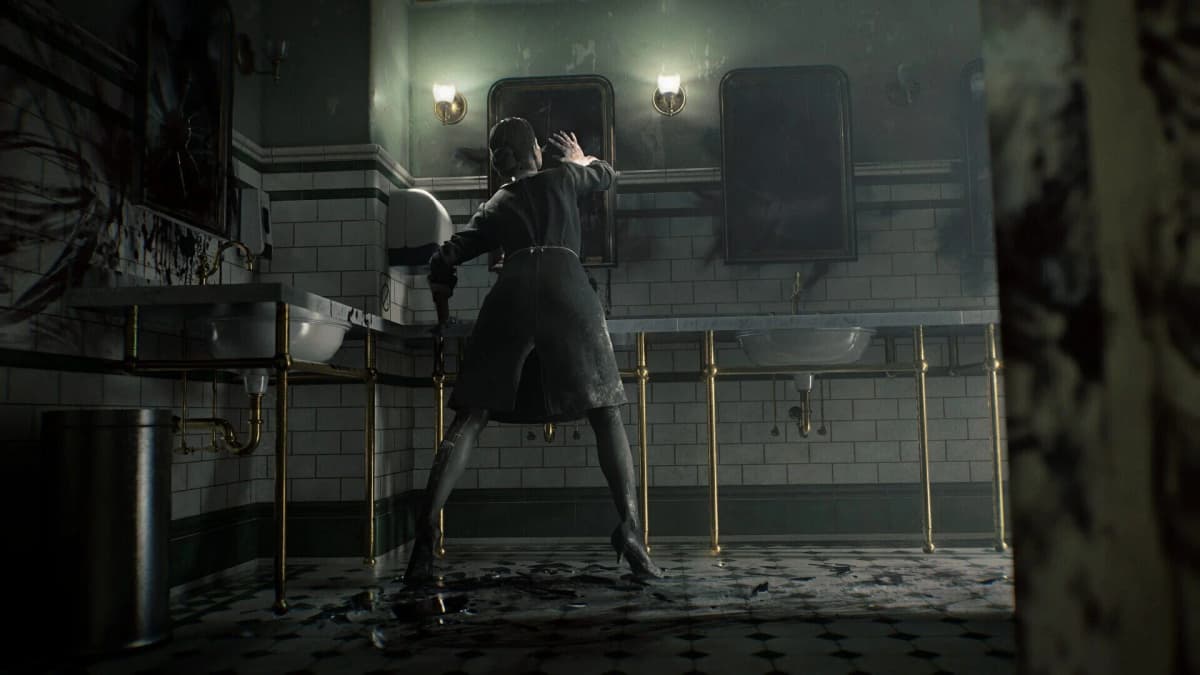
There is a legitimate frustration here, and I will give the visibility camp its due. Some deaths in horror games are not fair. If a monster’s windup animation is lost in a crushed black shadow, that is not difficulty—that is a calibration failure. Resident Evil Requiem is generally disciplined about lighting its telegraphs, but there are moments, especially in Grace’s underpowered sections, where a slightly too-dark setup turns a dodgeable lunge into a cheap kill.
The fix is not to flood the room with light. The fix is to preserve your blacks while using contrast to save the mid-tones where the tells live. When I found the right balance, I stopped dying to silhouettes I could not parse and started dying because I panicked. That is the line. Horror should kill you because you made a bad decision under stress, not because the game hid the information you needed to make a good one.
My Recommendation for Requiem
Start dark. Keep the ghost. Lock your gamma low enough that the game’s deepest shadows feel like a threat, then use contrast to claw back readability where you need it. If you are playing on Switch or a non-OLED display, you may need to nudge brightness slightly higher, but do not let the test pattern vanish. And if you find yourself reaching for the settings mid-game, ask which character you are playing. Grace deserves the dark. Leon can handle a little more light. Build your baseline around the horror, not the action, because once you wash out the blacks, no amount of gunfire will bring the fear back.
FinalBoss // Gear
Level up your setup
01Top-rated gaming headsetson Amazon→02High-refresh gaming monitorson Amazon→03Gaming chairson Amazon→04Discounted game keyson Kinguin→
Affiliate links · As an Amazon Associate, FinalBoss earns from qualifying purchases.
Want to Level Up Your Gaming?
Get access to exclusive strategies, hidden tips, and pro-level insights that we don't share publicly.
Ultimate Gaming Strategy Guide + Weekly Pro Tips