
Few names are as inextricably linked with undead survival horror as Resident Evil. Yet the series’ most electrifying moments arrived when Capcom deliberately tore up its own rulebook—first-person dread in RE7, gothic folklore in Village. Now, with Resident Evil Requiem’s February 27, 2026 release on the horizon, the question on every fan’s mind is simple: are we headed back into recycled zombie-territory or poised for another seismic shift?
When the original Resident Evil debuted in 1996, it defined “tank controls” and claustrophobic corridors. Sequels chased action and bombast—RE5 and RE6 ballooned into blockbuster spectacles but diluted the tension. It wasn’t until 2017’s RE7 that Capcom recalibrated its compass, stripping away series trappings and dropping players into a decaying plantation where every creak and splash felt personal. Village followed in 2021, swapping Romero-style hordes for lycans, vampires and baroque castles, proving the franchise could thrive beyond shambling corpses.
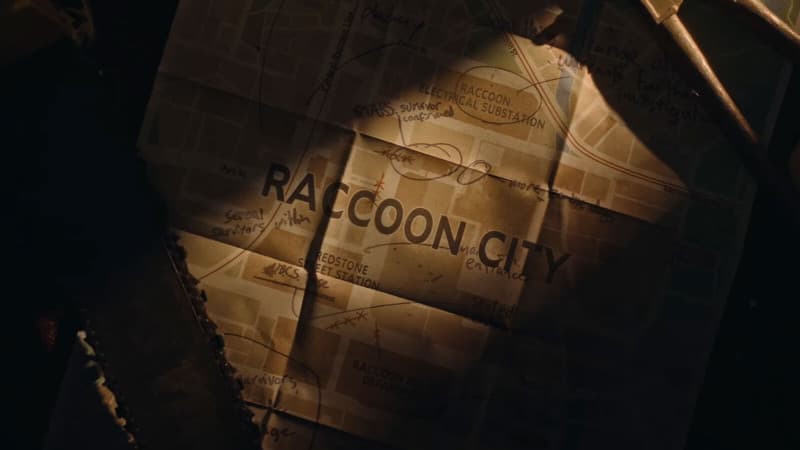
The first Requiem trailer shows the iconic Raccoon City Police Department badge, charred cityscapes and—yes—straight-up zombies. For a mainline title, that register feels familiar, almost comforting. But after two bold gambits, leaning back into territory already revitalized by the RE2 and RE3 remakes risks signaling creative inertia. Remakes scratched the nostalgia itch, delivering polished versions of classic encounters. A numbered sequel should be pushing boundaries—new narrative stakes, mechanics or environments—rather than replaying the same old script.
The horror genre today is flourishing with fresh ideas: psychological paranoia in indie gems, cosmic dread in big-budget titles, and possession narratives that keep players guessing. Games like Alan Wake 2 and Signalis demonstrate that gamers will follow creators into uncharted territory. Zombie apocalypses still have their place, but they’re hardly cutting edge. If Capcom doubles down on the genre’s most familiar enemy, it risks ceding innovative ground to smaller teams willing to experiment.
One glimmer of novelty is the introduction of Grace Ashcroft, a protagonist who arrives already burdened by personal trauma. In theory, her vulnerability could deepen the horror, shifting the series from “shoot and survive” to “grapple with your own fears.” The real test will be whether Requiem leverages her backstory meaningfully, or simply casts her as a fresh body for zombie nibbling. Capcom’s track record suggests they relish misdirection—let’s hope Grace isn’t the only detail hiding something unexpected.

Remember how the Bakers family reimagined domestic horror, or how Count Dimitrescu turned skewed elegance into a viral phenomenon? Capcom has repeatedly shown it can flip genre conventions on their head when it trusts its creative instincts. If Requiem’s teaser is a red herring—perhaps teasing zombies while promising new enemy types or twisted environmental puzzles—then the title could vindicate itself. Until then, we’re left to wonder whether this is a masterstroke or a replay of old highlights.
Resident Evil Requiem’s nostalgia-soaked teaser is a double-edged sword. On one hand, it promises beloved landmarks and undead staples. On the other, it could undermine the series’ recent achievements in reinvention. Here’s hoping Capcom is baiting us with familiar imagery while setting the stage for their next bold horror leap—because for Resident Evil, safe isn’t enough anymore.
Get access to exclusive strategies, hidden tips, and pro-level insights that we don't share publicly.
Ultimate Gaming Strategy Guide + Weekly Pro Tips