
Table of Contents (10)
Resident Evil Requiem Preview: Scares and Spectacle Unite
The ninth mainline Resident Evil has a lot to prove. After the tonal tug-of-war of Village and the pure dread of VII, I went into Requiem half-expecting Capcom to pick a lane and double down. My first hands-on last year — a claustrophobic slice starring a defenseless Grace Ashcroft — convinced me this was going to be another slow-burn, PT-flavoured nightmare.
Then I spent roughly three more hours with the latest demo on PlayStation 5 Pro, bouncing between Leon Kennedy and Grace in the bowels of Rhodes Hill hospital. Somewhere between Leon roundhouse-kicking a monster off Grace and me stalking a screen-filling mutant baby with a syringe of weaponized blood, it clicked: Requiem isn’t choosing between Resident Evil 4 and VII. It’s gleefully doing both.
Key Takeaways
- A deliberate split between action and horror: Leon’s sections feel like gloriously silly RE4-style power trips; Grace’s are tense, resource-starved survival horror.
- Rhodes Hill is classic RE level design: A dense, looping hospital that mixes the Raccoon City police station and Dimitrescu’s castle vibes.
- Enemies have personality, not just HP bars: Each zombie shows fragmentary behaviors that hint at their old lives in creepy, often darkly funny ways.
- Blood-as-resource crafting is ridiculous — and great: Harvest infected blood to craft ammo and one-hit-kill syringes, balancing risk and reward.
- PS5 Pro visuals and audio absolutely sell the mood: RE Engine lighting, grotesque detail, and a dual-tone soundtrack make both bombastic action and creeping dread land hard.
- Huge tonal swings that actually work: Think RE6’s structural ambition, but this time the scares and the shooting lift each other up instead of cancelling out.
TL;DR: Requiem masterfully splits its demo between Leon’s gloriously over-the-top combat and Grace’s claustrophobic survival horror, topped off with a slick blood-crafting system and outstanding PS5 Pro presentation. Fans of both action-packed and slow-burn Resident Evil entries should brace for a ride.
From Pure Terror to Power Fantasy: How This Demo Flipped My Expectations
When I first tried Requiem last year, it was all Grace: strapped to a table, unarmed, hunted by a towering abomination through a nightmare asylum. No guns, no quips, just that slow, suffocating dread that defined Resident Evil VII. I assumed Capcom had picked the horror lane again.
This new preview build proved me wrong. By interweaving Leon’s confident gunplay with Grace’s vulnerable crawl, Requiem doesn’t just juggle genres; it pairs them up in a way that feels coherent and exciting. After surviving as Grace and then switching to Leon’s unstoppable rampage, I stopped worrying about “which type” of Resident Evil this was. It feels like the first entry in years that’s comfortable being both, without apology.
Leon’s Rhodes Hill Arrival: Chainsaws, One-Lin ers, and Glorious Overkill
Leon Kennedy, zombie-slaying veteran and internet’s favorite uncle, shows up at Rhodes Hill hospital on a very bad night. At first, it’s pure mood: dimly lit corridors, hushed whispers on the intercom, and a sense that murder is right around the corner.
Then a staff doctor appears, blood-drenched and wielding a chainsaw. One horizontal swing later, the nurse who greeted me is in two pieces, Leon’s jacket is freshly redecorated, and the demo kicks into high gear.

Three headshots later, the doctor is down. Leon quips, “I want a second opinion,” and the chainsaw tumbles to the floor. A prompt invites me to pick it up, and suddenly I’m shredding through the first wave of patients like a twisted victory lap.
But the game isn’t content to let me feel invincible. A bandage-wrapped zombie charges, flails the chainsaw like a drunk with a lawnmower, and hacks at its fellow undead. Sparks fly, chaos ensues, and when I finally reclaim the chainsaw, I realize how reactive these enemies can be. Moments like this made the over-the-top Leon segments feel like interactive slapstick within buckets of gore.
Where Leon Meets Grace: Two Games, One Seamless Handoff
As Leon bashes through blood-soaked halls, his trail eventually collides with Grace’s earlier nightmare. A cutscene shows Grace being dragged under a security door by a massive creature. Leon spin-kicks it off, fires a flurry of headshots, and hands Grace a comically oversized hand cannon before sprinting off. It’s the ultimate “cool uncle” moment.
Control transitions to Grace here, and it’s shockingly smooth. I’d just been in full-tilt action mode; now I’m back in a shell-shocked investigator’s shoes. That switch doesn’t jar—it reminds you how high the stakes are when you’re mortal again.
Grace’s Rhodes Hill Crawl: Classic Resident Evil Tension Reborn
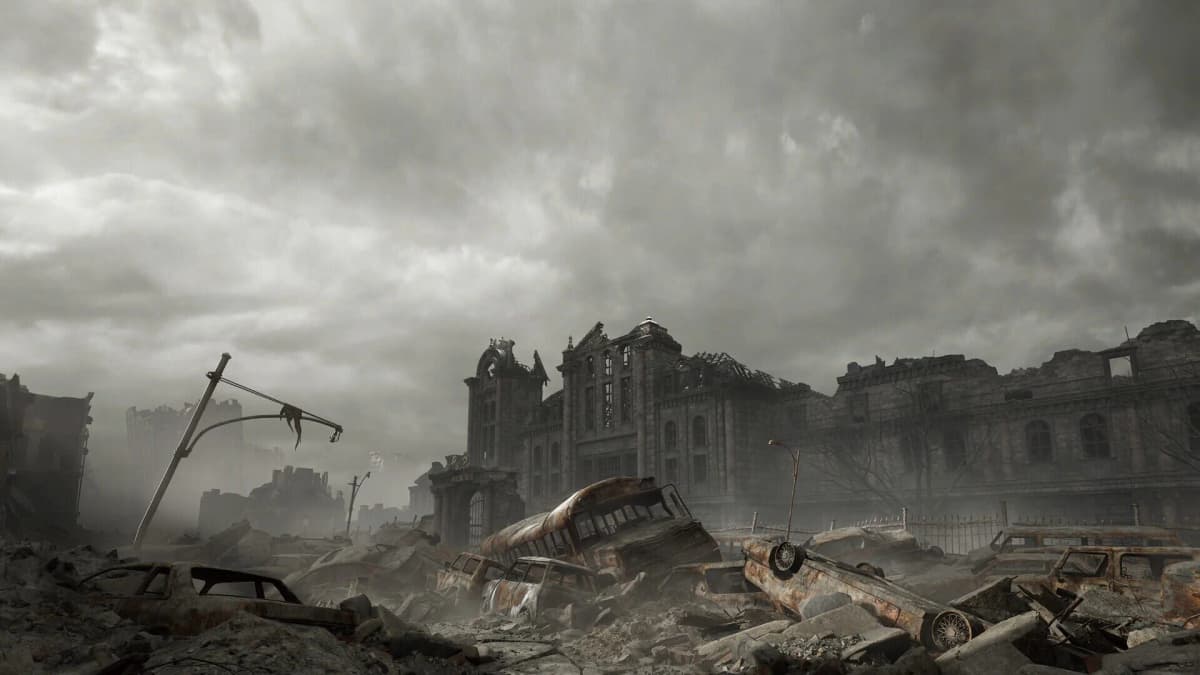
With Leon gone, the tempo shifts. Grace stands in Rhodes Hill’s ornate lobby—marble floors, grand columns, and a creepy vibe that feels like the Raccoon City station crashed into a gothic castle. From here, the game leans into old-school Resident Evil structure.
My session with Grace was slow exploration and mounting dread: inspecting lounge bars, casino rooms, labs, and offices for keys and puzzle parts. I mapped shortcuts, noted locked doors, and constantly looped back—each return making me more anxious about what might still be lurking.
Grace is no crack shot. Even with a pistol, bullets are precious. Herbs feel like lifelines. Every creak or distant moan put me on edge. This tension dance is exactly what I wanted after Village’s breakneck pace.
Enemies With Memories: The Best Zombie Roster in Years
What really surprised me wasn’t a boss fight or a secret weapon; it was the personality of the standard foes. Thanks to Dr. Gideon’s “experimental therapies,” Rhodes Hill’s inhabitants aren’t mindless corpses—they’re warped echoes of their former selves.
- A woman in a tattered evening gown croons along to a ghostly piano.
- A frantic maid mutters, “Why the mess?” as she smears blood on marble tiles.
- A bandaged patient trembles at any noise, lashing out if pottery shatters.
- A tux-clad zombie clings to a beer bottle, hurling it like a boozy missile when provoked.
These behaviors are more than window dressing—they hint at sound- and proximity-based reactions, making every encounter feel like meeting a twisted NPC. Visually, the RE Engine still shines. Watching tentacles burst from corpses or seeing a zombie fumble the chainsaw is a reminder why these engines are top-tier.
Stealth, Scarcity, and the Bloody Brilliant Crafting System
Grace’s segments quietly embrace stealth. You’re not a full-blown ninja, but crouching and listening often pays off more than blasting through hordes. I slipped past roaming brutes, heart pounding, rather than waste precious bullets.
Resource management is deliciously cruel. Herbs and ammo are scarce. I once walked past a green herb thinking it was just decor, then doubled back to “eat” it like a stressed human aphid. That moment felt hilariously on-brand.

The real game-changer is blood crafting. Deep in the lab, Grace finds a laser microscope to siphon infected blood into syringes. Suddenly, every pool of gore is potential ammo. It’s absurd, it’s gross, and it’s a brilliant risk-reward mechanic that keeps you on edge whenever you see a crimson stain.
Lighting, Visuals, and Soundscapes: PS5 Pro’s Showcase
On PlayStation 5 Pro, Requiem’s presentation is a standout. The RE Engine renders corridors with dynamic shadows that shift as you move. Flickering fluorescent lights cast unsettling silhouettes. Textured walls drip with moisture and decay. Every room feels alive with detail.
Audio design elevates both the horror and the action. Grace’s scenes use whispered winds, distant groans, and piano notes that echo down empty halls. Leon’s sections trade that dread for pounding percussion and orchestral stabs, matching his break-neck combat. The dual-tone soundtrack ensures neither side ever undercuts the other.
Conclusion
Resident Evil Requiem’s demo proves that you can blend slow-burn horror and bombastic action without diluting either. Leon’s chainsaw carnage and Grace’s cautious exploration feel like two halves of a thrilling whole. The blood-crafting system, vivid RE Engine visuals, and finely tuned audio design push this into must-play territory.
Whether you crave tense, resource-starved survival or want to carve up monsters with pun-loaded one-liners, Requiem has you covered. February 27, 2026 can’t come soon enough.
FinalBoss // Gear
Level up your setup
01Top-rated gaming headsetson Amazon→02High-refresh gaming monitorson Amazon→03Gaming chairson Amazon→04Discounted game keyson Kinguin→Affiliate links · As an Amazon Associate, FinalBoss earns from qualifying purchases.
Want to Level Up Your Gaming?
Get access to exclusive strategies, hidden tips, and pro-level insights that we don't share publicly.
Ultimate Reviews Strategy Guide + Weekly Pro Tips