
A Bold New Resident Evil Film Could Redefine Game Adaptations
Game intel
Resident Evil
This MOD modifies a large number of enemy and item configurations, adds previously unexplored areas from the original version, adjusts weapon attributes, and i…
When I first read that Zach Cregger—fresh off spine-tingling hits like Barbarian and Weapons—was directing the next Resident Evil movie, I expected another action-packed rehash of familiar characters. Instead, he pulled a curveball: no Leon, no Claire, no returning heroes. Just a brand-new cast, a relentless atmosphere, and a true homage to the games’ survival-horror roots. It’s daring, it’s unexpected, and in a franchise that’s long traded scares for spectacle, it might be exactly the shock we needed.
- All-new protagonists—no fan-favorite heroes to lean on.
- Faithful to Capcom’s universe rules, not Hollywood clichés.
- Emphasis on dread, puzzles, and scarce resources.
- A gambit that could change the way video game movies are made.
Why Embracing Originality Matters
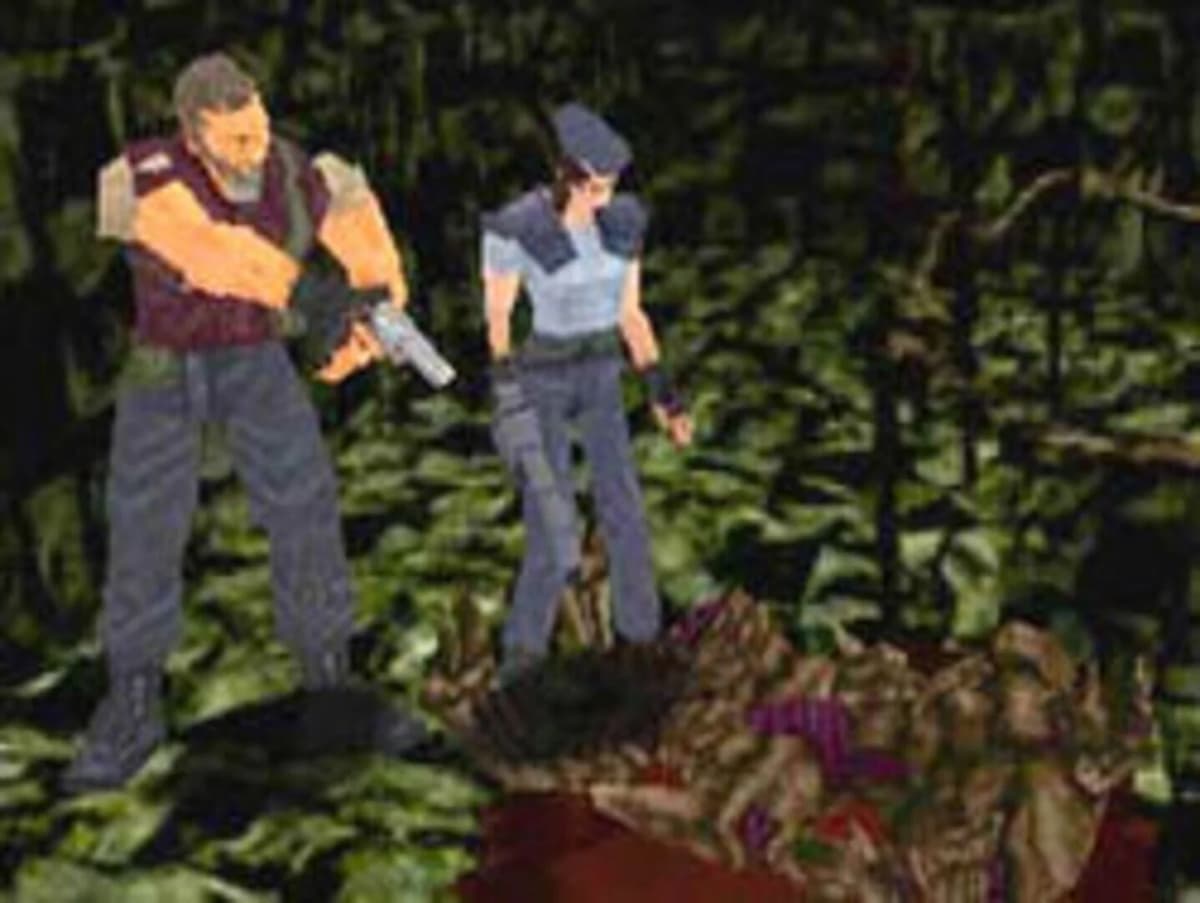
I’ve navigated Raccoon City’s dark alleys since the days of tank controls and fixed camera angles. Back then, survival horror meant inching forward with two bullets in your pocket, terrified of what lurked ahead. The previous films, though entertaining, often tossed that tension aside in favor of blockbuster gunfights. By stripping away the safety net of known characters, Cregger forces us back into that vulnerable mindset. We don’t know these new faces, and every creak, every shadow, could be their last.
Breaking the Familiar Face Mold
We’ve seen Hollywood cram Leon, Jill, and Chris into every scene, yet fans still walked away craving more dread and less brawn. Cregger’s decision to cast unknown actors isn’t just a gimmick—it’s a narrative device. With no pre-baked backstories, each discovery about these characters heightens the tension. We’re learning who they are alongside them, making every threat feel unpredictable and personal.
Rules Over Roster: A Love Letter to the Games
In interviews, Cregger has stressed his devotion to the games’ mechanics. “I’m telling a story that respects the universe’s rules,” he said. That means puzzles that feel organic, resource management that actually matters, and environmental storytelling that rewards observant viewers. It’s a far cry from adaptations that shoehorn characters into contrived set pieces. Here, adaptation is translation: capturing the essence of wandering a plague-ridden mansion with nothing but a flashlight and a prayer.
Cregger’s Horror Pedigree
If you haven’t experienced Barbarian, it’s worth seeking out. Cregger crafts dread from everyday settings—a suburban living room, a creaking staircase—and turns them into psychological labyrinths. His knack for practical effects in Weapons elevated simple gore into something viscerally unsettling. That approach aligns perfectly with Resident Evil’s DNA: suggestion over spectacle, slow build-ups punctured by shocks, and an ever-present sense of the unknown.
Lessons from Video Game Adaptations Past
Video game movies have a checkered history. Paul W.S. Anderson’s Resident Evil series leaned heavily on action, leaving survival horror by the wayside. Silent Hill (2006) captured atmosphere but floundered narratively. Mortal Kombat (2021) prioritized flashy fight choreography over world-building. Even crowd-pleasers like Detective Pikachu and Sonic the Hedgehog succeeded only after course corrections to honor their source material’s spirit. Cregger seems to have studied these missteps and successes alike, aiming to strike a balance: pacing that feels cinematic, scares that feel earned, and a world that obeys its own rules.
Want to Level Up Your Gaming?
Get access to exclusive strategies, hidden tips, and pro-level insights that we don't share publicly.
Ultimate Gaming Strategy Guide + Weekly Pro Tips
Hollywood vs. Capcom: Finding the Middle Ground
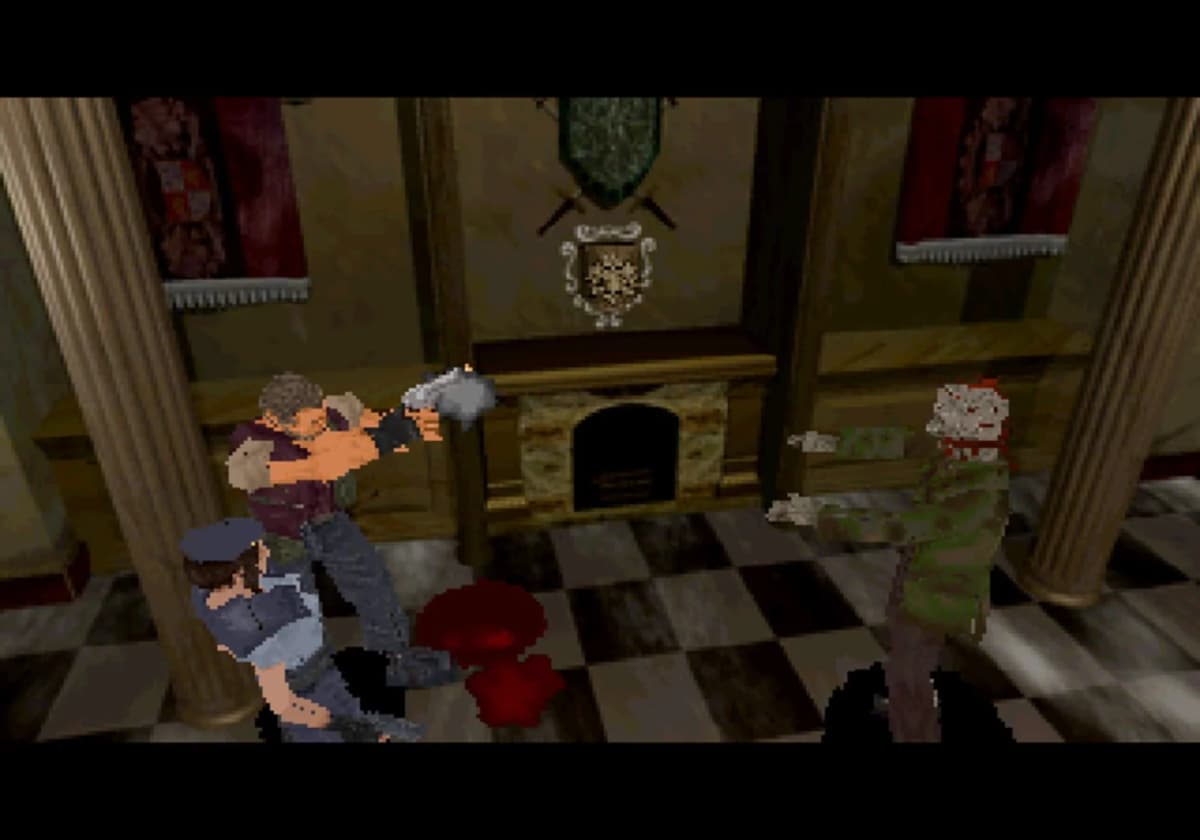
Studios often envision Resident Evil as a nonstop zombie barrage. Fans know the games thrive on atmosphere, narrative puzzles, and sudden jolts of body horror. Marrying those sensibilities isn’t easy. But the franchise itself has evolved—from the claustrophobic corridors of the Spencer Mansion to the grotesque grandeur of Resident Evil Village. A successful film adaptation should mirror those shifts, weaving quiet dread with occasional cinematic crescendos without tipping into overblown action.
Strength in Strangers: Why New Faces Elevate Fear
Part of what makes survival horror so potent is identification. Unknown characters mean zero confidence in their survival. Every whispered conversation and unspoken glance could foreshadow betrayal or death. Contrast that with established heroes: when Leon appears, we half-expect him to survive. Cregger’s ensemble of fresh talent means no one is safe, and every moment of calm feels like a before-the-storm lull.
Challenges Looming Over Raccoon City
No gamble is without risk. Die-hard fans will pore over every frame for Easter eggs—and tear the film apart if Capcom’s lore isn’t handled with care. Casual viewers might tire of slow-burn sequences that prioritize atmosphere over nonstop action. Building empathy for brand-new leads in just two hours is no small feat; any misstep in casting or characterization could undercut the entire film.
On the production side, blending practical effects with CGI is a tightrope walk. The score must echo those eerie melodies that defined the games without sounding derivative. The writing team has to keep puzzles intuitive but avoid dragging the plot to a crawl. And the cinematographer must balance shadow and light in a way that feels both cinematic and true to the genre’s roots.
Securing the right crew—horror-savvy editors, art directors who understand monster design, sound mixers who know how silence can amplify fear—will be just as important as Cregger’s vision. If any of those elements falter, the promise of a fresh Resident Evil could collapse under its own ambition.
What Fans and Horror Buffs Should Anticipate
Don’t expect sprawling city-wide shootouts. Instead, prepare for tight, claustrophobic settings: dilapidated laboratories, fog-shrouded side streets, and hallways that seem to stretch on forever. Puzzles won’t rely on deus-ex-machina solutions but on environmental cues and clever design. Creature effects will nod to classic undead horrors while introducing brand-new nightmares that feel equally at home in Capcom’s universe.
Above all, listen for the silence. In the best horror, what you don’t hear—an unearthly hiss, distant scratching, the drip of unseen water—can be more terrifying than any graphic monster. If Cregger masters that ebb and flow of sound and sight, the result could be one of the genre’s most genuinely frightening additions.
Looking Ahead: Why This Reboot Matters
With casting still under wraps and no official release window, the film remains shrouded in mystery. But the very fact that we’re talking about rules over roster shows how high the stakes are. This isn’t just another game-to-screen cash-grab; it’s a statement that adaptation can be faithful without being derivative, that new characters can rejuvenate a beloved franchise, and that horror isn’t measured in fireworks but in the dread that creeps up your spine.
Whether Zach Cregger’s Resident Evil ushers in a new golden age of video game movies or becomes a curious footnote, it’s the boldest experiment we’ve seen in years. By choosing atmosphere over action, puzzles over punch-ups, and fresh faces over nostalgia, this film has the potential to recapture the essence of survival horror and prove once and for all that sometimes the scariest thing isn’t the monster—it’s the unknown.