
Table of Contents (7)
Read Resident Evil in story order: the canonical timeline, updated for Requiem
If you want to experience Resident Evil as a single, internal narrative rather than a patchwork of remakes and adaptations, this is the list to follow. JeuxVideo has compiled an in‑universe chronology that now places the upcoming Resident Evil Requiem in October 2026 – and it’s worth knowing which entries actually count (and which don’t) before you start replaying.
- Key takeaway: This is an in‑universe reading order that mixes games, CGI films and manga – not release dates.
- Canon clarity: JeuxVideo treats the CGI animated films and manga as part of the official continuity; live‑action films and Netflix are explicitly non‑canonical.
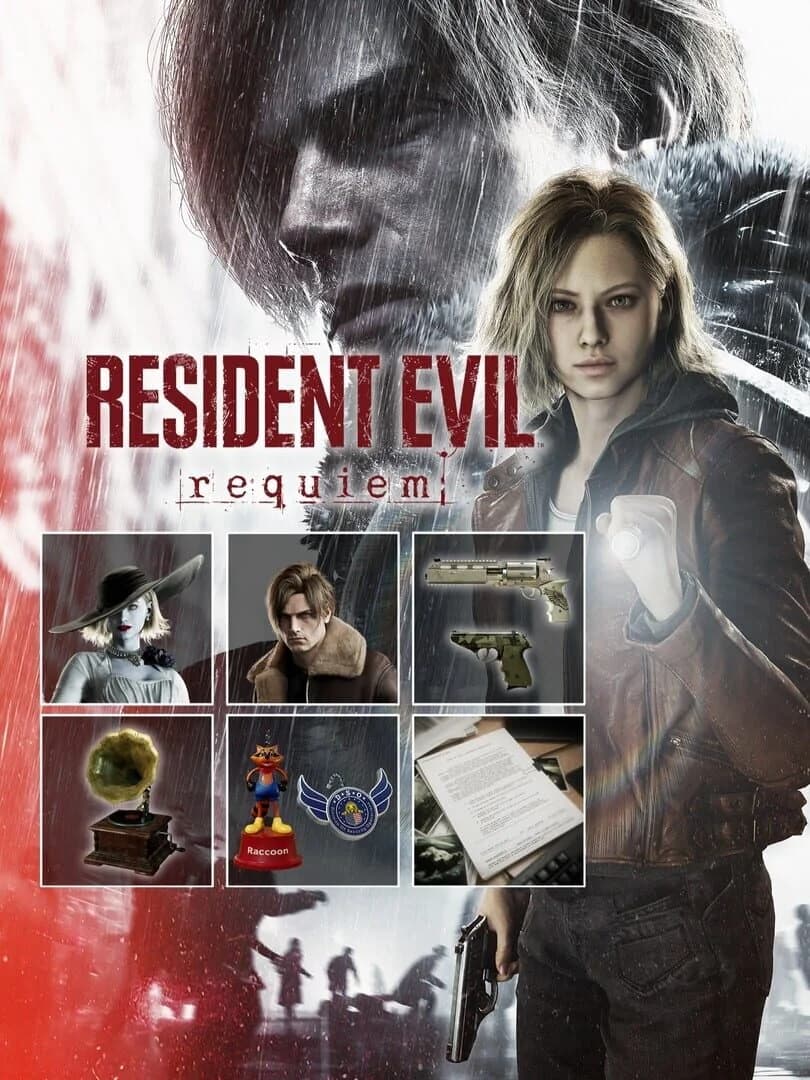
- Why it matters now: Resident Evil Requiem (Oct 2026) is slotted into the timeline, giving fans a clear place to drop the new entry without upsetting Village-era continuity.
Why an in‑universe chronology actually helps
Capcom’s franchise has been sprawling for 30 years. You’ve got original releases from the 1990s, mid‑series action pivots (hello, Resident Evil 4), first‑person returns (RE7 and Village), remakes that retcon details, CGI films that plug narrative gaps and a stack of mangas. For a franchise where character relationships and outbreak timelines matter, a single reading order removes guesswork. It tells you which events lead to others – crucial if you care about the story threads around Umbrella, the BSAA, and the Redfield/Leon/Claire nexus.
Mikami’s fingerprint: from claustrophobic genesis to flexible horror
Shinji Mikami’s influence still shades how we judge the series. As VidaExtra’s profile reminds us, Mikami built Resident Evil around scarcity and dread — fixed cameras, tight ammo, slow burns — and then didn’t hesitate to reinvent it. Resident Evil 4 flipped the script toward action; much later entries like RE7 and Village tried a return to pure terror, this time in first person. That oscillation is why a timeline matters: tonal shifts map to design decisions and plot beats. Knowing when a story happens tells you whether to expect survival‑horror restraint, cinematic action, or intimate psychological dread.
What counts as canon — and what you should ignore if you want an internal narrative
JeuxVideo’s chronology is explicit: the CGI animation films (Degeneration, Damnation, Vendetta, Death Island) and several manga are part of the continuity. Live‑action movies — including the long series of Paul W.S. Anderson films, the 2021 reboot and the Netflix show — are treated as separate, creative adaptations. That distinction matters practically: those films change character names, motivations and outcomes for spectacle. If you’re reading for the official timeline, skip those and follow the games + CGI + manga entries listed below.
The in‑universe chronology (games, CGI films, manga) — diegetic dates
- Resident Evil Zero — July 1998
- Resident Evil / Resident Evil (remake) — July 1998
- Resident Evil Outbreak — July 1998
- Resident Evil Outbreak File 2 — July 1998
- Resident Evil 3: Nemesis / Resident Evil 3 (remake) — September 1998
- Resident Evil 2 / Resident Evil 2 (remake) — September 1998
- Resident Evil Survivor — November 1998
- Resident Evil Code: Veronica / Code: Veronica X — December 1998
- Resident Evil Dead Aim — September 2002
- Resident Evil 4 / Resident Evil 4 (remake) — 2004
- Resident Evil Revelations — 2005
- Resident Evil: Degeneration — November 2005
- Resident Evil 5 — March 2009
- Resident Evil Revelations 2 — 2011
- Resident Evil: Damnation — 2011
- Resident Evil: Marhawa Desire (manga) — 2012
- Umbrella Corps — 2012-2013
- Resident Evil 6 — December 2013
- Resident Evil: Heavenly Island (manga) — 2014
- Resident Evil: Vendetta — 2014
- Resident Evil: Death Island — 2015
- Resident Evil: The Experience — 2017
- Resident Evil VII — July 2017
- Resident Evil Village — February 2021
- Resident Evil Requiem — October 2026
- Resident Evil Village: Shadows of Rose — 2037
What to watch next (actionable)
- October 2026 — Resident Evil Requiem: this is where JeuxVideo places the new title in continuity. Watch Capcom for official tie‑ins or a statement confirming canonicity.
- September 2026 — Zach Cregger’s live‑action film reboot (JeuxVideo reports): stylistically interesting but treated as non‑canon to the game continuity.
- Remakes and reissues — they often shift details; follow patch notes and developer commentary to see if any retcons change the timeline order.
If I were interviewing a PR rep right now I’d ask: “Is Resident Evil Requiem being released as an official chapter of the main continuity, and will it declare explicit links to Village-era plotlines?” That single clarification decides whether Requiem is a neat chronbook addition or just another tangential title.
TL;DR
- JeuxVideo’s timeline gives a canonical in‑universe reading order that mixes games, CGI films and manga and now includes Resident Evil Requiem (Oct 2026).
- Shinji Mikami’s influence explains why entries swing between survival dread and bold reinvention — the timeline helps set expectations.
- Ignore the Netflix series and most live‑action films if you want the official game continuity; watch for Capcom to confirm Requiem’s narrative ties.
FinalBoss // Gear
Level up your setup
01Top-rated gaming headsetson Amazon→02High-refresh gaming monitorson Amazon→03Gaming chairson Amazon→04Discounted game keyson Kinguin→Affiliate links · As an Amazon Associate, FinalBoss earns from qualifying purchases.
Want to Level Up Your Gaming?
Get access to exclusive strategies, hidden tips, and pro-level insights that we don't share publicly.
Ultimate Gaming Strategy Guide + Weekly Pro Tips