
Resident Evil’s Spencer Mansion did something most modern horror games wouldn’t dare: it made me feel weak, lost, and downright foolish… on purpose. Not the slick remake or lore-packed sequels, but the 1996 PlayStation original—jagged polygons, crackling voice lines, tank controls and all. That mansion is more than a setting. It’s a brutal tutorial disguised as a haunted estate, a design manifesto that systematically robs you of every action-game instinct you brought with you.
Key Takeaways
- Spencer Mansion is built as a deadly lockbox, not a livable home.
- Each locked door, blind camera angle, and limited slot teaches resource management.
- Fixed cameras weaponize your ignorance, forcing risk to gain information.
- Scarce inventory space turns exploration into a tactical puzzle.
- The ultimate lesson: sometimes running away is the smartest move.
Table of Contents (9)
This Was Never A House — It Was A Lockbox
On day one, Spencer Mansion lies to you. It poses as a stately Victorian estate, but every crest puzzle, guarded door, and hidden panel screams “keep out.” Architect George Trevor designed it as a security system for Umbrella’s bioweapon lab, not as a family home. From a level-design standpoint, that lie is pure genius: it justifies dead ends, single-purpose scare rooms, and shortcuts that only open when the mansion deems you worthy.
That “lockbox” mentality sews itself into everything you do. You’re not exploring a logical floorplan; you’re navigating a living machine that tests your resourcefulness at every turn. And it sets the stage for the first real lesson: constrained design is the teacher, not pop-up tutorials or friendly objective markers.
The Entrance Hall Is A Tutorial That Never Admits It’s A Tutorial
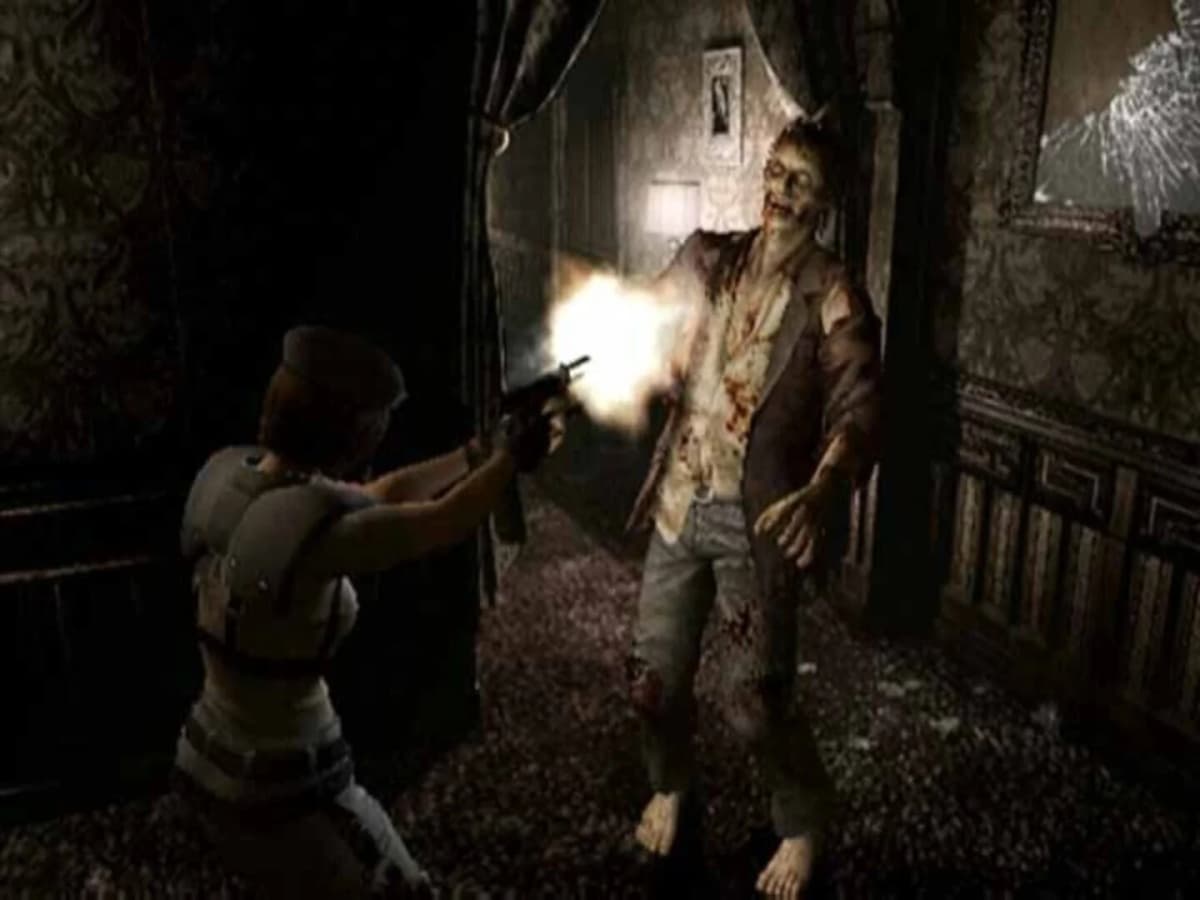
You start in the grand foyer—twin staircases, balcony, dozens of barred doors, zero HUD. The camera perches like an observer, watching a rat in a maze. It doesn’t flash a “press X to aim” prompt. Instead, it funnels you toward the dining room, then the narrow side corridor where Kenneth the zombie has made his last meal. That first encounter is a multiple-choice exam:
- Stand and hack with a knife that feels like butter on concrete.
- Fire precious bullets if you chose Jill Valentine and found a gun.
- Panic and retreat back to Barry’s safety—your smartest option.
The mansion rewards cowardice. Barry teleports in to save you, the plot clicks forward, and you learn without words: don’t be a hero. You win by picking fights you know you can afford, and that lesson sticks far deeper than any tutorial pop-up ever could.
Fixed Cameras As A Design Threat, Not Just A Vibe
Fixed camera angles in Spencer Mansion aren’t a retro quirk—they’re a weapon. Each pre-rendered view tells you only what the designer wants you to see. In the west wing, the shot through a broken window frames your blind spot. The moan comes off-screen. The glass shatters. You have to step into darkness to find out what’s lurking.
That forced risk is pure tension. Modern over-the-shoulder horror hands you control and comfort. Spencer Mansion denies you both. Moving forward buys you information at the price of vulnerability—it’s a constant gamble that trains your brain to dread every angle.
Inventory Limits Turn The Floorplan Into A Tactical Puzzle
Six inventory slots—that’s it. Cue the memes about S.T.A.R.S. operatives lugging a shotgun and a lunch box. But this arbitrary limit is the heart of the mansion’s genius. Once you discover the Item Box network, the layout snaps into focus: it’s not about clearing rooms, it’s about plotting efficient circuits through danger zones, locks, and key items.
- Bring the shotgun to clear that hall, but lose space for the puzzle key.
- Leave high-value herbs behind and risk running from a zombie grab.
- Sprint past an L-shaped corridor to save ammo, hoping a shortcut pays off later.
Each trip is a cost-benefit analysis baked into the architecture. You’ll remember corridors not just for their shape but for the threat waiting when a camera angle flips. Your survival depends on mastering that personal circulation system.
Combat By Avoidance: The Lesson Everyone Ignored
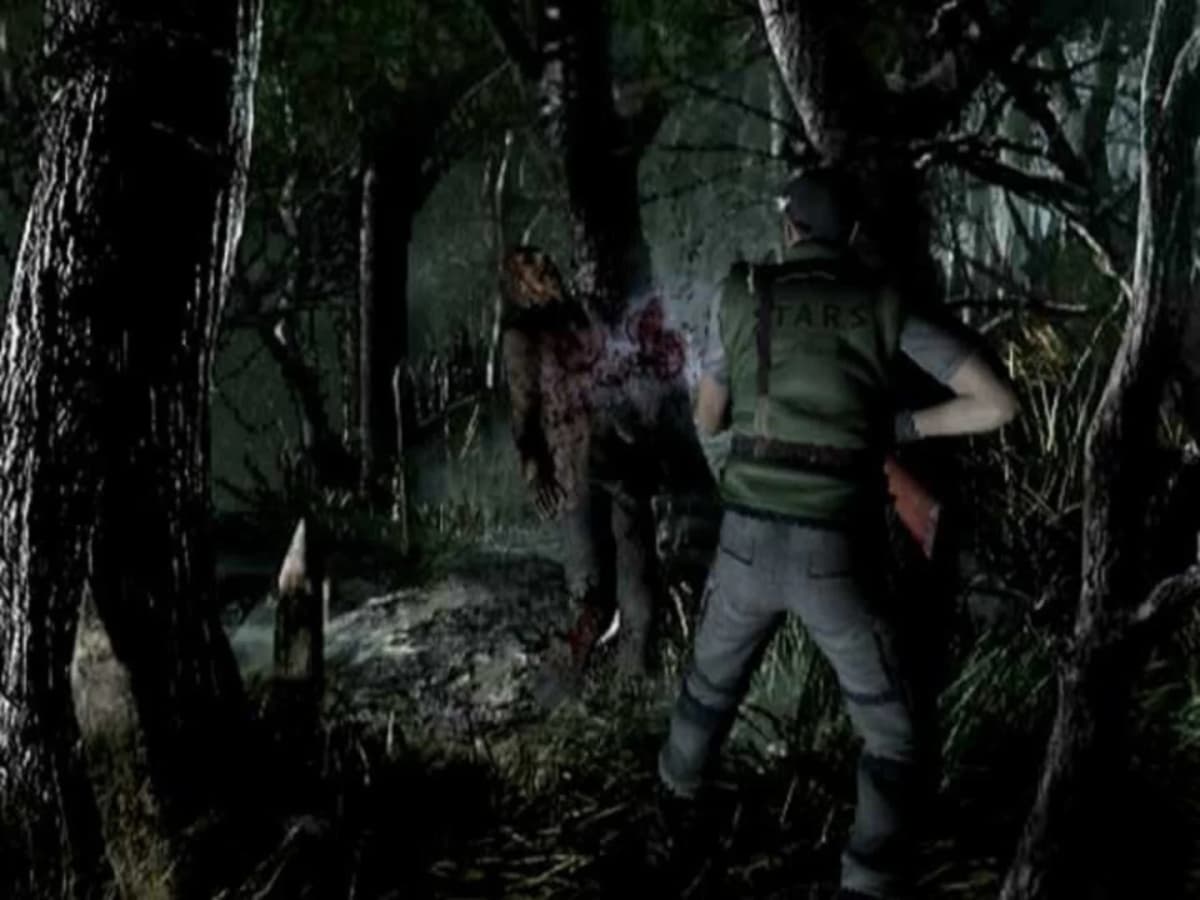
Spencer Mansion wants you to dodge fights whenever possible. Zombies clog choke points, lurk just off-screen, or drop from windows. Killing them all burns ammo and herbs you need later. The correct play—if you grew up on power fantasies—feels counterintuitive: weave around threats, bait bites, slip between corners, and only unload when a single corpse makes your route untenable.
That friction between your intent and the mansion’s design births dread. Too many horror games lifted inventory limits or typewriters but still build arenas like action shooters. Spencer Mansion never lets you dominate. It forces you to survive in the cracks.
Technical Limits Became A Design Philosophy
Low-poly budgets? Great—characters are 3D, backgrounds are dense and ominous. Memory constraints? Perfect—revisit corridors and watch them morph from safe sprawl to lethal gauntlets. When dogs crash through windows, it’s not a cheap scare; it’s punishment for trusting familiarity.
Capcom embraced its technical shackles and turned them into razor-sharp tools. Today’s developers often view limitations as bugs to patch out. Spencer Mansion proves constraints can yield tension that polished freedom never matches.
Why Spencer Mansion Still Puts Modern Horror To Shame
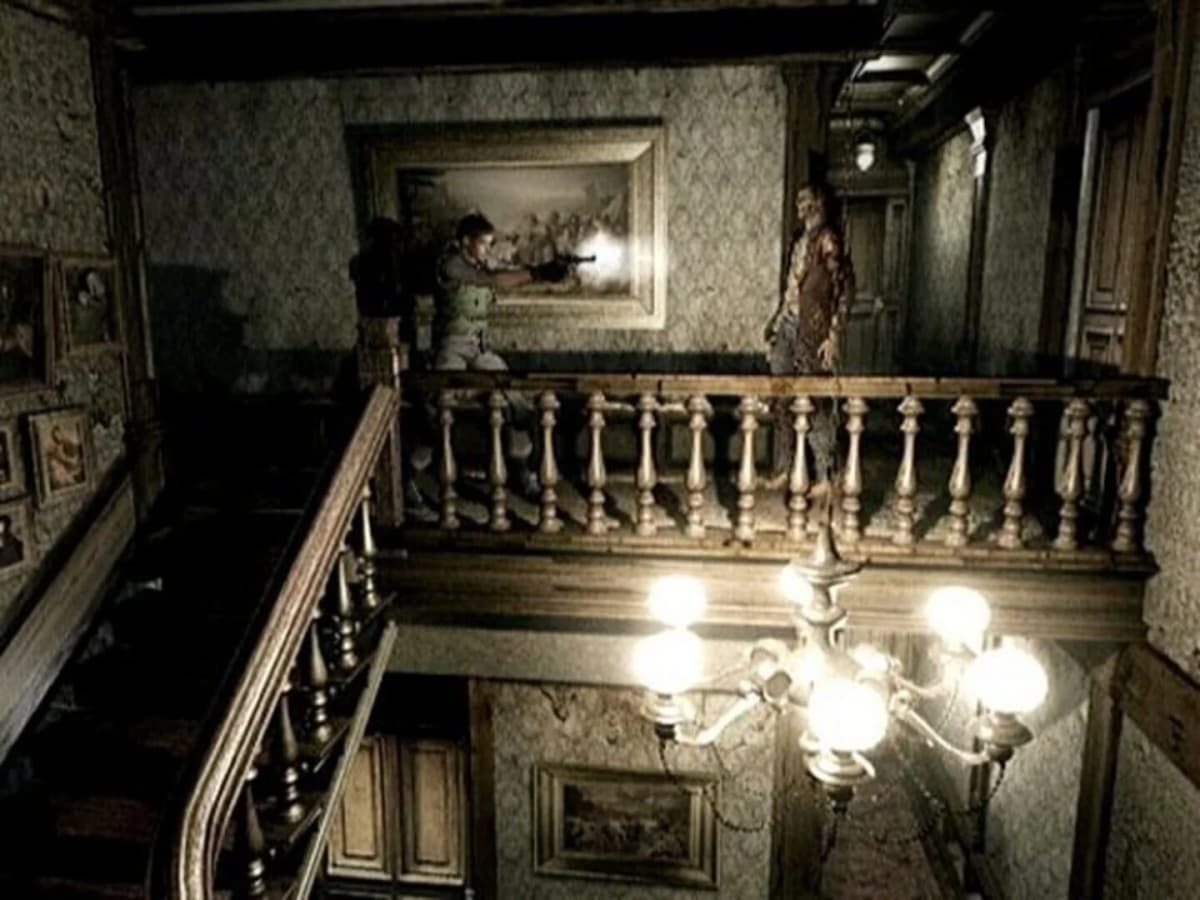
After dozens of glossy AAAs and ambitious indies, I keep returning to that decaying estate because it refuses to babysit. It assumes you can learn tank controls in the dark, read threats through fixed lenses, accept running as the best tactic, and live with forgetting an item three rooms back.
That relentless pressure reshapes your instincts. Even now, when I step into a well-framed corridor in any horror game, part of me thinks, “Not drops a zombie, or dogs burst through a window.” That’s the legacy that matters more than remakes or lore dumps—the brutal, disguised tutorial architecture that taught a generation how to survive horror.
Conclusion
Resident Evil’s Spencer Mansion is the ultimate survival horror boot camp: a lockbox-style layout, merciless camera angles, and scarce inventory force you to make every choice count. Decades later, its cruelly precise design still outclasses the polished but forgiving haunted houses of modern horror. If a game isn’t testing your instincts at every turn—making running, hiding, and planning your route as thrilling as any fight—it’s merely wearing the genre’s mask, not living its lesson.
FinalBoss // Gear
Level up your setup
01Top-rated gaming headsetson Amazon→02High-refresh gaming monitorson Amazon→03Gaming chairson Amazon→04Discounted game keyson Kinguin→Affiliate links · As an Amazon Associate, FinalBoss earns from qualifying purchases.
Want to Level Up Your Gaming?
Get access to exclusive strategies, hidden tips, and pro-level insights that we don't share publicly.
Ultimate Gaming Strategy Guide + Weekly Pro Tips