
Table of Contents (7)
Restoration’s Shatterpoint makes a 20-year-old MMO feel like a modern live service – run by volunteers
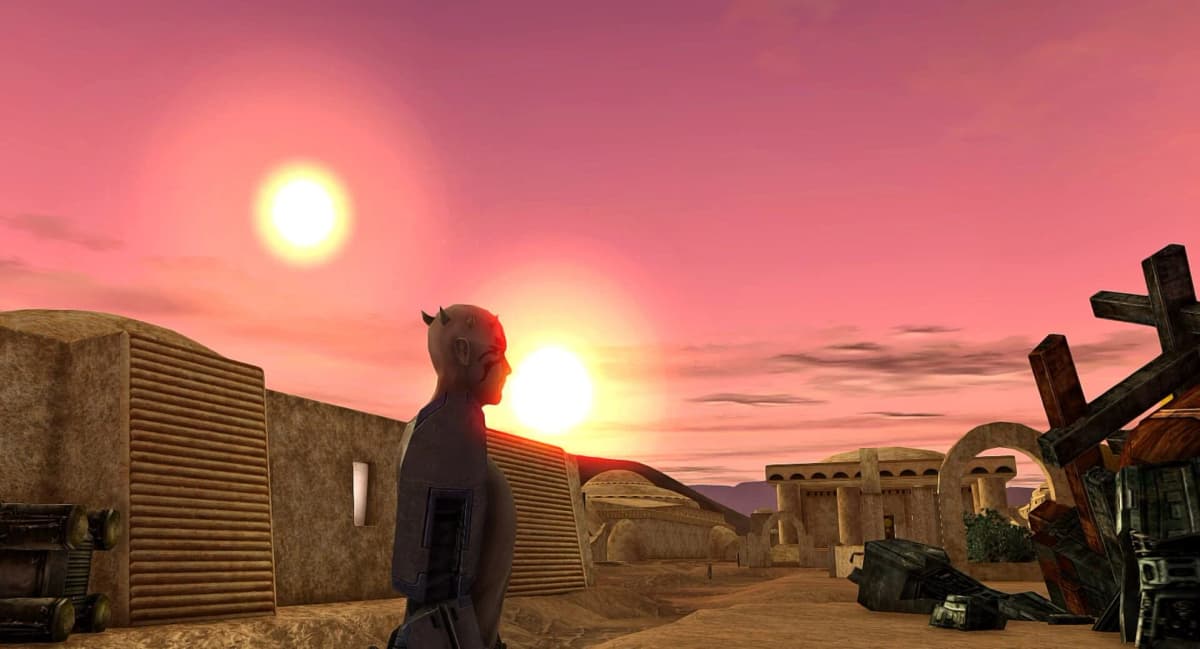
Shatterpoint does something most commercial MMOs promise and rarely deliver: it hands players a living, volatile political theater where wins leave permanent marks. Restoration – the non-profit team keeping Star Wars Galaxies alive – just pushed a major update that turns the whole server into a cyclical galactic Civil War. Empires vie for seven planets via control points, a neutral Mercenaries faction profits from chaos, open-world Flashpoints spawn unpredictable fights, and victorious battles can leave permanent, map-altering scars on this server’s timeline.
- It’s ambitious: full-scale faction warfare across multiple planets, supply lines, espionage and an eight-player instance.
- It’s permanent: Shatterpoint outcomes create irreversible world changes unique to Restoration’s timeline.
- It’s volunteer-run: this is community engineering and event design, not a studio lifer patch.
- It raises real questions: balance, griefing, and the operational cost of running persistent, irreversible features.
Why this matters right now
Shatterpoint is a live, cyclical system that repeats: when a faction claims four of the seven planets, a climactic Shatterpoint battle fires on the final claimed world and — here’s the kicker — the map is altered permanently for everyone. That’s not cosmetic: Restoration says environmental scars are “predesigned to be adaptive” and cannot be reversed. For a private, non-profit server, that’s the level of world persistence usually reserved for well-funded live services.
This isn’t novelty. It’s systems-level work: points, supply lines, intel missions, spawnable Flashpoints and a neutral Mercenaries faction that can swing outcomes. All of those pieces interact to create emergent stories — spies sabotaging supply runs, merc crews flipping a front line, whole player economies bending toward war needs. For a game that originally thrived on profession-driven storytelling, Shatterpoint leverages those social systems instead of papering over them with kill-to-earn loops.
What the press release won’t admit (but you should notice)
Romance the idea of volunteers rewriting the galaxy all you want. The uncomfortable observation is this: permanence is a double-edged blade. Irreversible changes make the server’s timeline meaningful — and also brittle. If a Shatterpoint outcome locks territory or resources behind a coalition of veteran players, it can harden inequality and discourage newcomers. That’s a balancing challenge even big studios struggle with; Restoration has to solve it without a corporate budget.
Equally important: open-world Flashpoints and supply lines create attack surfaces for exploits and griefing. We’ve seen commercial teams patch and sometimes rollback huge damage (look at recent responses to big persistent-world bugs elsewhere). A volunteer team can build compelling systems, but sustaining them — policing, tuning, and sometimes reversing catastrophic events — demands resources and staffing that community projects historically struggle to maintain over years.
Why Restoration’s approach is worth paying attention to
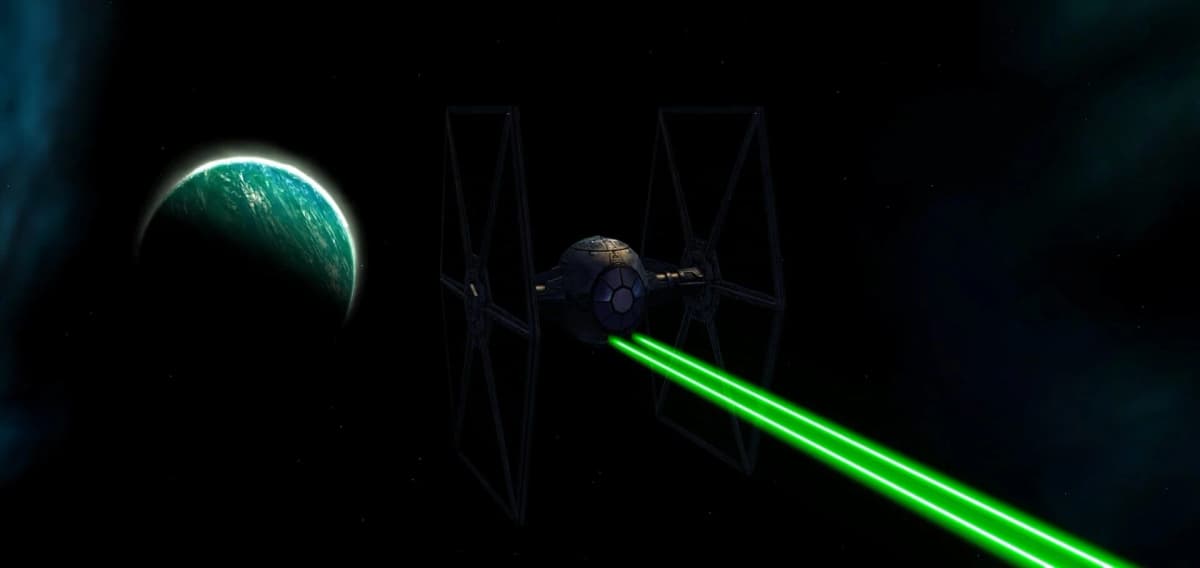
Compare it to long-running fan projects like the Morrowind rebuilds: sustained, modular work by dedicated volunteers can produce experiences rivaling original releases. Restoration is doing the same for live systems. This isn’t nostalgia-as-museum — it’s nostalgia as platform, actively changing and growing. For preservationists and designers, that’s an important model: communities not only keep games online, they can iterate them into something new.
The real question Restoration hasn’t fully answered
How will they protect the timeline? Specifically: what rollback policy exists if a Shatterpoint change is caused by cheating or a critical exploit? Will mercenary rewards or planet-control economies be tuned to prevent closed loops where winners snowball? Those are operational, not philosophical, questions — and they determine whether permanence becomes a feature or a long-term liability.
What to watch next
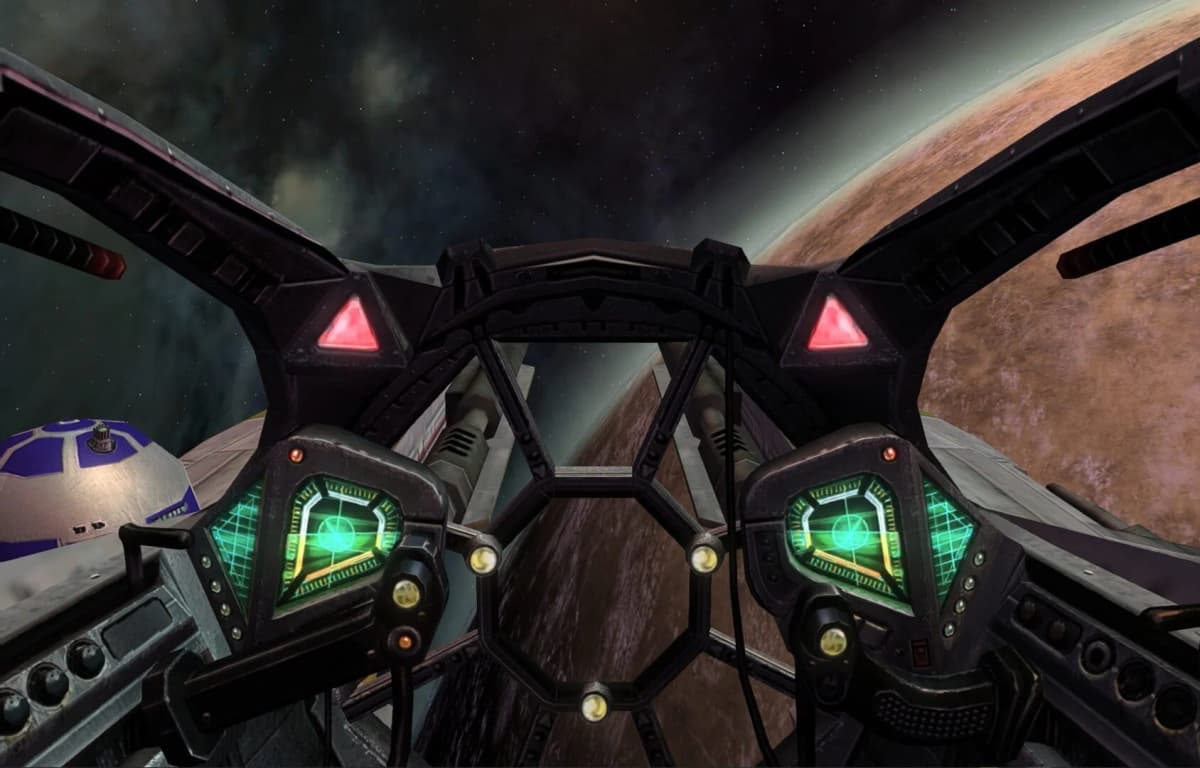
- First Shatterpoint resolution: note who controls the seven planets and whether outcomes feel competitive or preordained.
- Player counts and faction balance: high imbalance will expose whether Restoration can tune systems quickly.
- Exploit/rollback responses: any major reversals will show the team’s operational capacity.
- Mercenary faction behavior: do neutral players become balance-solvers or opportunistic griefers?
If Restoration keeps shipping systems this bold, it becomes a case study for what community-run preservation can be — not just a static archive but a living, contested world where player choices matter. That’s rare, and for fans of Star Wars Galaxies and MMO design, quietly exciting.
TL;DR
Restoration’s Shatterpoint makes Star Wars Galaxies feel like a modern live service: cyclical Civil War, permanent map scars, and emergent faction politics — all built by volunteers. It’s impressive and meaningful, but permanence creates balancing and operational risks the team will need to manage. Watch the first Shatterpoint cycle, faction balance metrics, and exploit handling to see whether this timeline becomes a triumph or a trap.
FinalBoss // Gear
Level up your setup
01Top-rated gaming headsetson Amazon→02High-refresh gaming monitorson Amazon→03Gaming chairson Amazon→04Discounted game keyson Kinguin→Affiliate links · As an Amazon Associate, FinalBoss earns from qualifying purchases.
Want to Level Up Your Gaming?
Get access to exclusive strategies, hidden tips, and pro-level insights that we don't share publicly.
Ultimate Gaming Strategy Guide + Weekly Pro Tips