
Deck Nine isn’t trying to reinvent Life is Strange with Reunion. It’s trying to remember why people cared in the first place: Max and Chloe. The hands‑on previews out this week show a game that trades spectacle for chemistry, folding familiar powers – Max’s Rewind, Chloe’s Backtalk – into slightly more active puzzles and conversation systems that give the duo real, tactical back‑and‑forth. If Reunion sticks the landing, it rescues the series’ emotional center where Double Exposure frayed it.
Table of Contents (7)
Key takeaways
- Reunion is explicitly built as the final Max + Chloe chapter, and it leans into nostalgia rather than new gimmicks.
- Core mechanics return: Max can Rewind at will; Chloe brings Backtalk (now more bluff/persuasion than pure snark).
- Playable swapping and a system that lets you control both sides of a conversation create immediate, consequential dialogue moments.
- New bits – instant in‑game photos, journals as storytelling hubs, and more active sequences like timed detonator puzzles — push Reunion toward a slightly more kinetic feel.
Chloe is the fix — and that matters
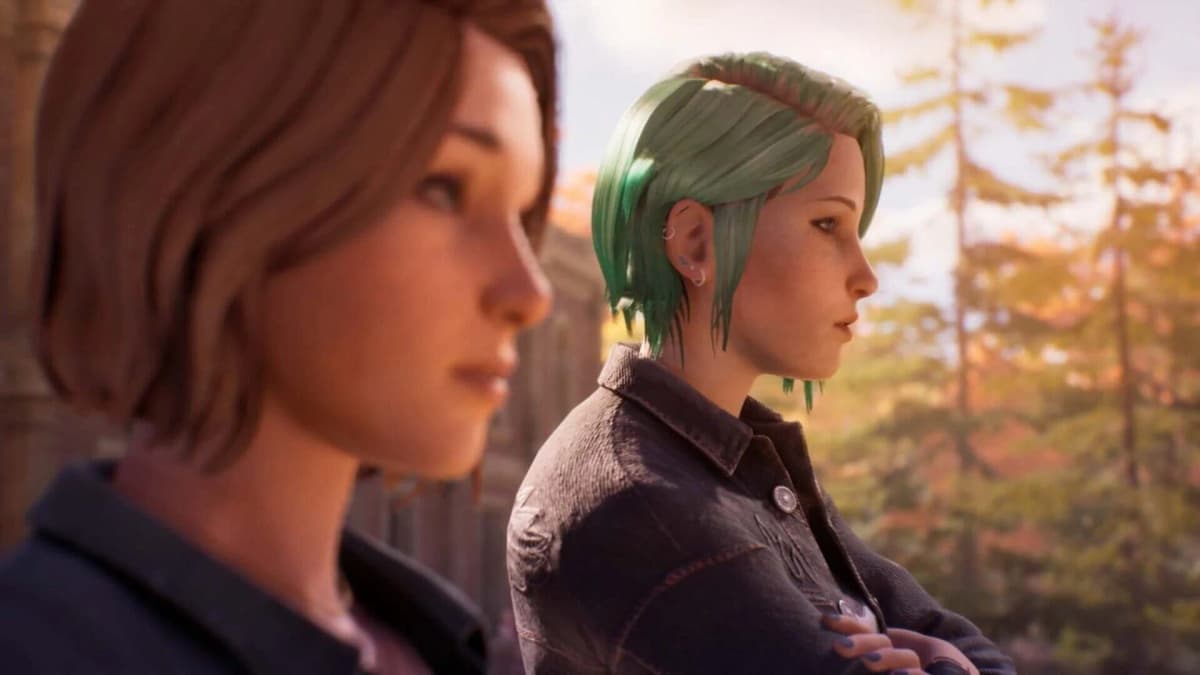
Here’s the uncomfortable observation PR doesn’t want you to skim past: Reunion’s biggest strength isn’t a new mechanic, it’s the decision to center Chloe again. After Double Exposure’s uneven characters and limp stakes, critics repeatedly came back to the same diagnosis — the story lost its emotional anchor. Reunion doesn’t paper over that problem with spectacle. It puts Chloe and Max back in the room together and gives them real screen time to clatter, compromise and pick at old wounds.
That matters because Life is Strange has always been about the emotional geometry between people, not the novelty of powers. When previews describe scenes where you switch control mid‑conversation or choose both characters’ lines, that’s not a tiny UX tweak — it’s a deliberate way to make the relationship feel like the engine of gameplay, not just window dressing.

Familiar tools, a sharper edge
Mechanically Reunion is reassuringly conservative. Max’s Rewind returns as an omnipresent problem‑solving tool. Previews highlighted uses both small (re‑running a bar confrontation to coax information) and large (backtracking to find a sturdier crowbar in a basement). The game also stages more active sequences — a timed detonator disarm that forces you to think fast and use Rewind to correct mistakes — which suggest Deck Nine wants players doing more than clicking through dialogue trees.
Chloe’s Backtalk, transplanted from Before the Storm, has evolved from cutting sarcasm into a persuasion mini‑game. It’s less about scorched‑earth sarcasm than about crafting believable lies under pressure. That redesign fits the broader tone: Reunion leans into investigative gameplay and social maneuvering rather than power porn.
Journals, photos and the small pleasures
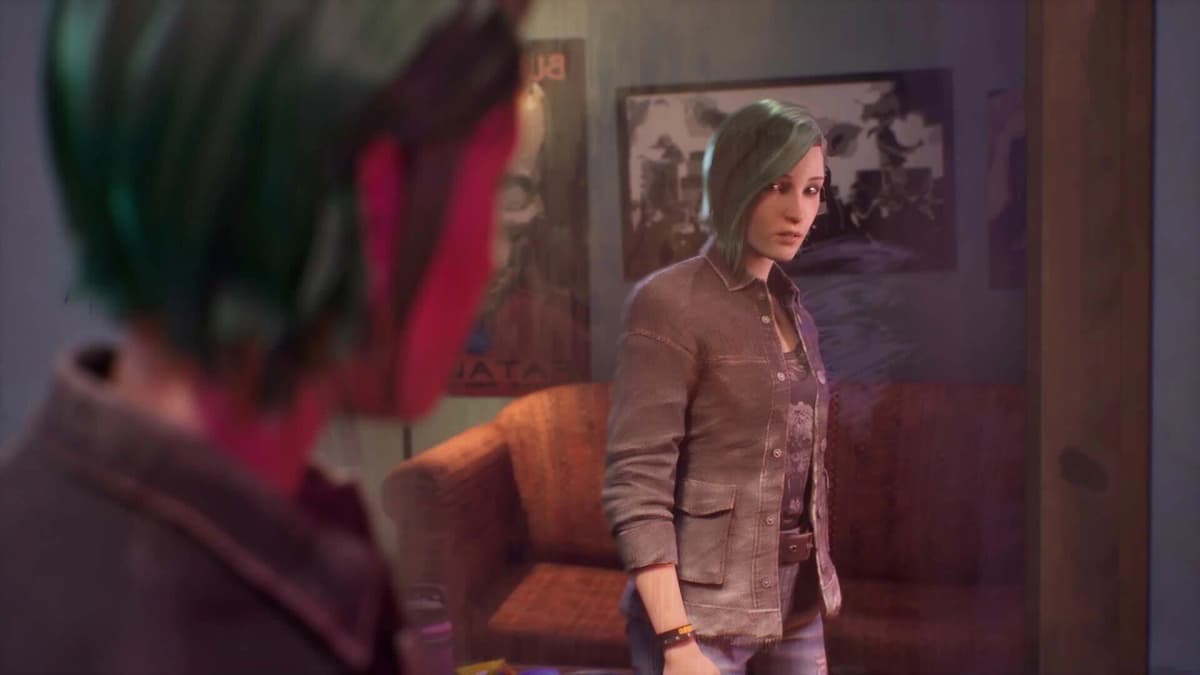
Small QoL changes matter here. Both characters keep journals full of texts, doodles and collectibles — a good place to tie branching threads together — and Max gains an on‑demand photo button so you can capture moments without hunting hotspots. Those snaps aren’t journal‑bound but are shareable, which feels like the modern concession Life is Strange needed: let players curate the memories that matter to them.
The question nobody’s asking (but I am)
If I were sitting across from Deck Nine’s PR rep I’d ask this bluntly: which specific choices from Double Exposure carry forward into Reunion, and how many narrative states ship at launch? Previews say decisions and some characters return, but the details matter. The real risk is a finale that leans on nostalgia while sidestepping the thornier consequence work that made the original Life is Strange hit so hard.
What to watch
- March 26 (PS5) — confirmed launch date. That’s the first moment to test whether the game’s promised emotional beats land at scale.
- Developer clarity on which Double Exposure outcomes carry into Reunion — this will determine how personal the endings can feel.
- How often Reunion forces real consequences rather than cosmetic divergence; the detonator sequence is a promising sign, but it must be matched by branching stakes in narrative scenes.
Reunion doesn’t need to reinvent the formula. It needs to do three things well: give Max and Chloe authentic scenes to act in, make the powers feel meaningful rather than mechanical, and ensure choices actually change the emotional texture of the finale. Early previews suggest Deck Nine is aware of that checklist — and is trying to tick it.
TL;DR
Life is Strange: Reunion reunites Max and Chloe and leans into the relationship as the game’s beating heart. Familiar mechanics (Rewind, Backtalk) return with smarter application alongside more active puzzles and photo tools. Watch the March 26 PS5 launch and Deck Nine’s explanation of which past choices actually carry forward — that’s the moment Reunion proves whether it’s a satisfying finale or just a well‑dressed nostalgia trip.
FinalBoss // Gear
Level up your setup
01Top-rated gaming headsetson Amazon→02High-refresh gaming monitorson Amazon→03Gaming chairson Amazon→04Discounted game keyson Kinguin→Affiliate links · As an Amazon Associate, FinalBoss earns from qualifying purchases.
Want to Level Up Your Gaming?
Get access to exclusive strategies, hidden tips, and pro-level insights that we don't share publicly.
Ultimate Gaming Strategy Guide + Weekly Pro Tips