
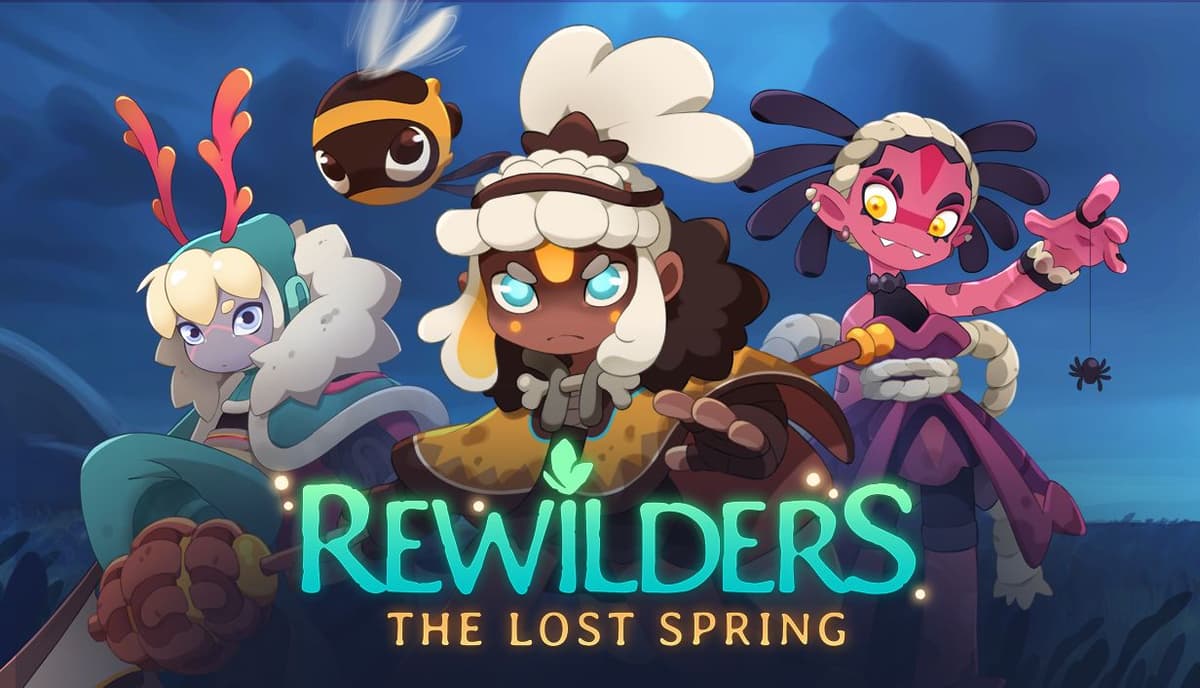
Rewilders: The Lost Spring—Herobeat Studios Doubles Down on Eco-Roguelite with Depth
Game intel
Rewilders: The Lost Spring
Rewilders is an open-world action roguelite with creature collection and metroidvania-like progression that tells an emotionally impactful story about friendsh…
Why Rewilders: The Lost Spring Stood Out Immediately
When Herobeat Studios announced Rewilders: The Lost Spring, my attention was instantly piqued-for more than just the usual “ecological game” buzzwords. This is the studio that gave us Endling: Extinction is Forever in 2022, a raw, hard-hitting eco-fable that landed BAFTA honors and a Games for Change nomination. Endling was memorable for making players care deeply about a mother fox and her cubs, forcing hard survival choices in a bleak world scarred by humanity. So when Herobeat, now self-publishing, reveals a new game tackling environment, family, and legacy-but this time dropped into a roguelite, open-world blender-my curiosity can’t help but spike. Are they chasing trends, or actually pushing the genre forward?
- Herobeat is building on a strong pedigree of emotionally charged, purpose-driven games.
- Rewilders aims to blend open-world exploration, roguelite runs, and base management with a real ecological twist.
- The dynamic world and creature-collecting elements suggest something more nuanced than your standard action-roguelite.
- Promises of an “indulgent” roguelite loop might finally address the burnout issue that plagues the genre.
The Real Backbone—What’s Actually Different About Rewilders
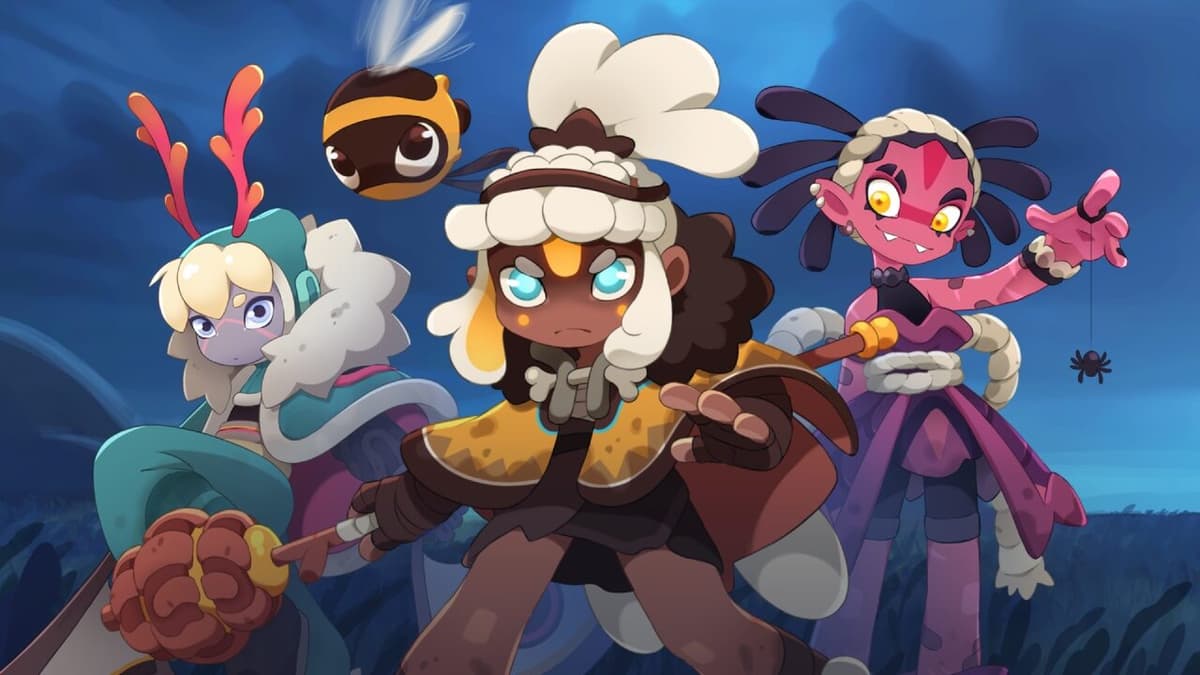
The first thing that leapt out is the way Rewilders tries to intertwine meaningful eco-restoration with classic progression rhythms. Instead of being just about surviving another perilous run, you’re actively reviving biomes, bringing extinct native creatures (the Hântu) back, and deciding what kind of legacy you leave behind. Abi, the protagonist, isn’t just fighting for herself—she’s out to pull her family and the world back from the brink, all from a floating vessel that serves as both home base and character hub. It feels like the next logical step for a studio that clearly cares about the emotional stakes of the stories it tells.
Roguelite hooks abound: runs start from different points, enemy types and biomes shift every attempt, and there’s real risk—though Herobeat says their system is “indulgent,” suggesting they’re not here for the punishing, masochistic cycle that pushes some players out of Hades or Returnal after a dozen deaths. Instead, you gradually power up your home base between runs, unlock new strategies via collected creatures, and tailor your approach to the world’s evolving threats. That tweak could be the key—roguelites all too often feel like you’re on a treadmill with a brick wall at the end. Here, there’s hope the treadmill at least has some nice scenery and upgrades along the way.
Creature-Collecting Meets Environmental Restoration
Let’s talk Hântu—these aren’t just passive pets for completionists. Each one you rescue joins the fight to reclaim the world, granting different skills and influencing combat tactics. Think more Pokémon than simple unlockable trait, but with a distinctly ecological spin. You’ll have to decide which creatures to nurture for your playstyle, with strategic flexibility baked into run prep—combos of melee, ranged, and Hântu abilities keep things dynamic, rather than falling back on stale hack-and-slash setups.
It looks like the game leans into habitat and legacy restoration, too—not just a background motif. You really have to get your hands dirty, so to speak, reactivating ancient springs, rewilding biomes, and making tough choices (“Memory or Hatred?”) that shape abilities and your path through the world. That kind of permanence and impact is what the best roguelites lack; imagine if your progress in Slay the Spire led to lasting changes in the card pool or world on subsequent playthroughs.
Open World and Roguelite—Can Herobeat Actually Pull This Off?
This is where my excitement turns cautious. Open world and roguelite are notoriously difficult to balance—the sheer possibility space can dilute what makes each genre shine. The preview makes it clear Rewilders is shooting for the moon with randomized starting zones, biomes, and a resource-rich “base” to return to after expeditions. Progression sounds layered, with new tools (glider, grappling hook, wall-run) and a classic resource loop (gather, restore, amplify).
But big ambition can be a double-edged sword. Games like Biomutant and Tchia promised a seamless mix of environment, collecting, and action but struggled to marry all those systems into something cohesive and replayable. Herobeat’s storytelling chops are proven, but whether they can wrangle all these ideas into a satisfying, player-driven roguelite is the real question. If they nail the sense of discovery and give real, visible feedback with each restoration, Rewilders could carve out a niche in the crowded roguelite space. If not, it risks being another pretty-but-shallow “eco” adventure lost in the weeds.
Why This Eco-Roguelite Could Actually Matter For Gamers
Here’s the deal: so many “save the world” games preach eco themes without actually letting you do anything tangible in the world itself. Herobeat’s whole schtick is about earning back a future, one run at a time—restoring biomes, growing your menagerie, and building a legacy that doesn’t vanish with every frustrating death. For players who dug the emotion and message in Endling, or who’ve bounced off punishing roguelites that never throw you a bone, Rewilders could be that rare title that actually rewards persistence (and not just in the form of +5% damage to your next sword swing).
TL;DR
Rewilders: The Lost Spring looks like Herobeat doubling down on heartfelt environmental storytelling, but fusing it with systems-heavy roguelite action. If they pull this off, it’s a win for players tired of the genre treadmill and hungry for purpose-driven change. If not, well—it’s another lesson in how hard blending “meaning” and “mechanics” really is. Here’s hoping this one earns its legacy.