
Table of Contents (5)
Why Rhell’s spell-combo pitch actually caught my attention
This one stood out because it isn’t selling a bigger sword or a prettier map – it’s selling an idea: give players a toolkit of small parts and let them invent solutions. Rhell: Warped Worlds & Troubled Times drops you into a semi-open fantasy world as a cocky mage and hands you 40 foundational spells that can be stacked into permutations. The headline number is wild – 102.4 million possible combinations – and there’s a playable Steam demo available now, with the full PC release set for March 12, 2026.
- Player creativity is the core game loop: the puzzle is a problem, spells are the grammar.
- Demo timing matters: you can try the systems firsthand ahead of launch.
- Skepticism required: marketing lists 102.4M combos, but it’s unclear how many are meaningful or gated by level design.
Breaking down the spell system (and why it matters)
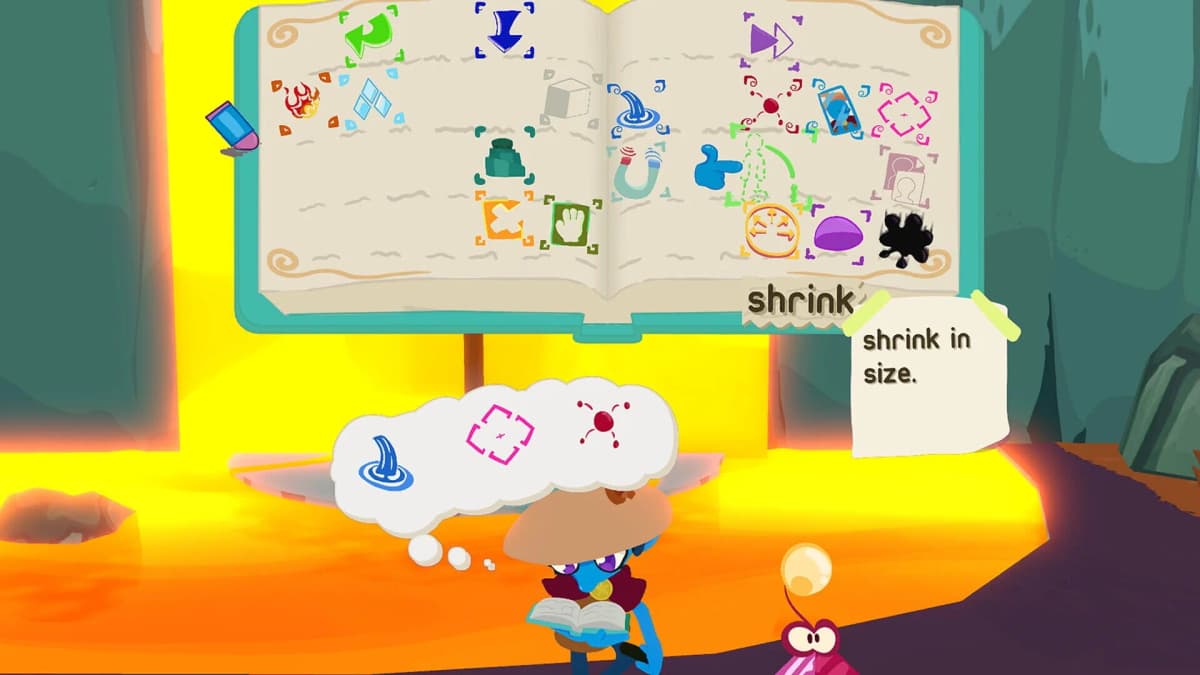
The developer — backed in outreach by publisher Yogscast — is pitching Rhell as a puzzler built around mechanical creativity rather than fixed solutions. Think Scribblenauts with a more modern fantasy coating: spells are modular effects (push, pull, twist, elemental states like fire/ice/smoke/goo) that stack or interact to produce emergent results. The press material and Yogscast’s explanatory video give toy examples: fire + smoke + goo can turn the player into a cloud, water can be turned into goo to manipulate terrain, and stacking manipulation spells can bypass obstacles without a single “correct” answer.
That approach matters because it changes what a puzzle is. Instead of “find the one lever,” puzzles become chemistry sets where you invent a path. For players who enjoy lateral thinking and sandboxy problem-solving, that can be intoxicating — and replayable, because the same set piece can be approached in dozens of ways.
How it plays today — demo impressions and open questions
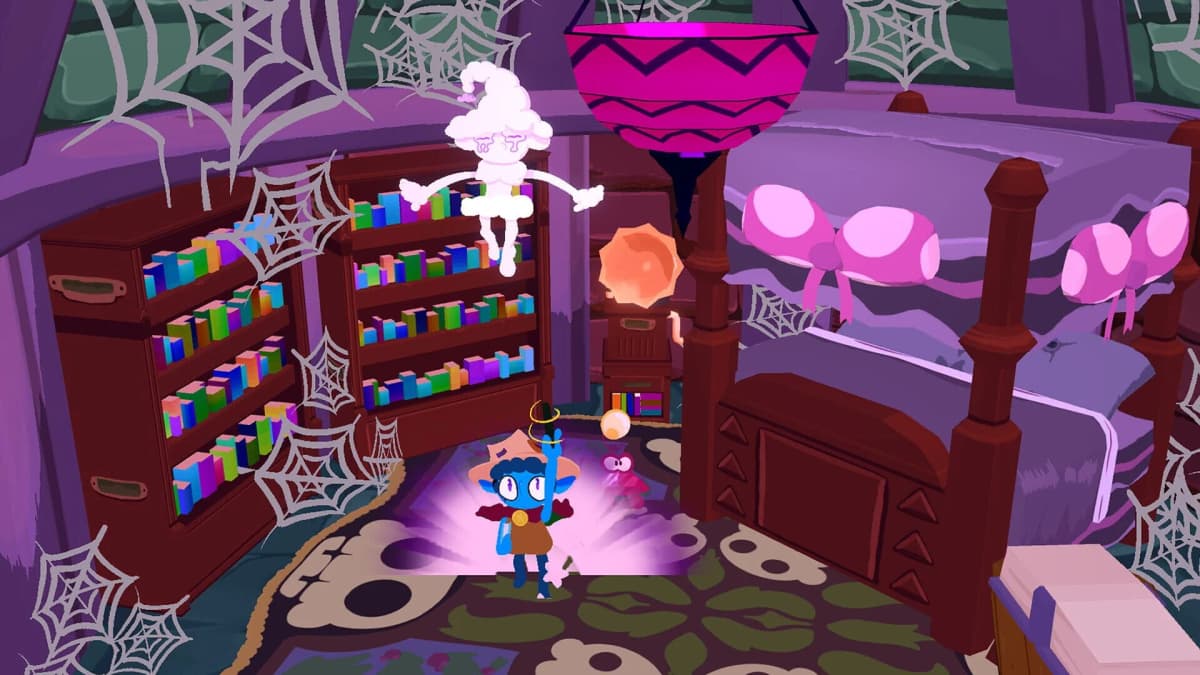
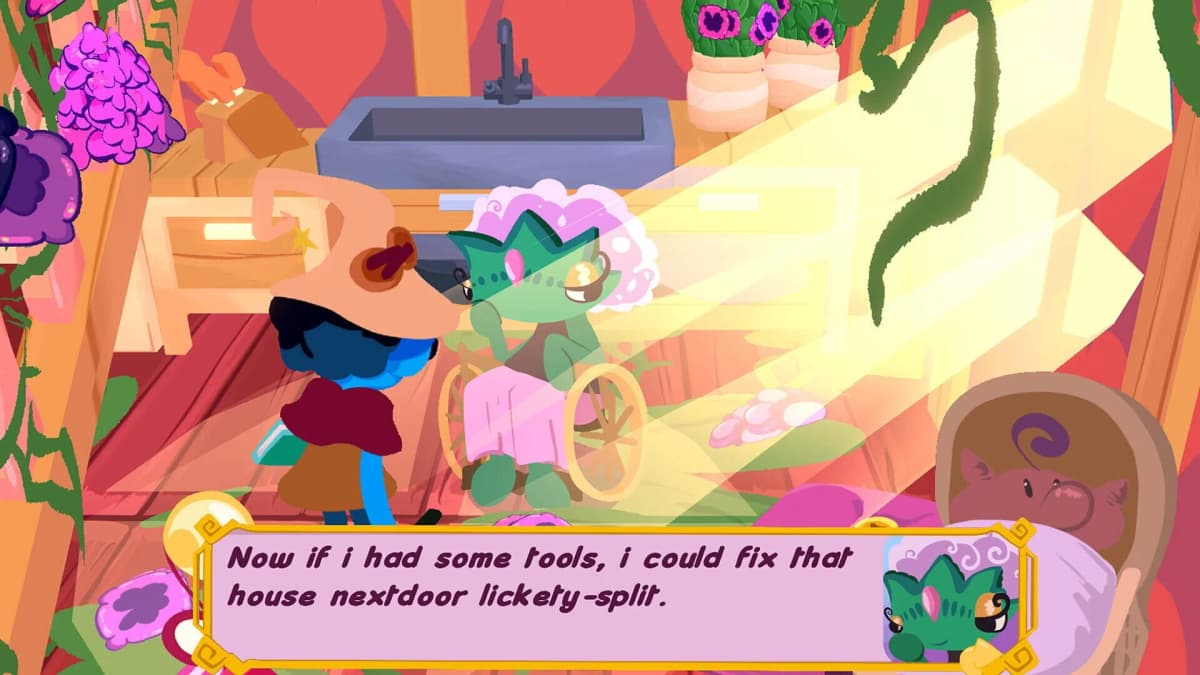
The demo released in February on Steam and is the place to judge the pitch for yourself. Early impressions from hands-on play (and the publisher video) suggest the UX favors experimentation: spells feel like tools you can chain, and the semi-open-world design encourages exploration for alternate solutions rather than linear progression. Visually, Rhell pairs detailed 3D environments with 2D-character presentation, which gives it a distinct aesthetic that helps puzzles read clearly without pretending to be photorealistic.
But there are sane caveats. The 102.4 million-combination figure is a marketing-friendly headline; it’s unclear how many combos are actually useful or even reachable within the game’s puzzles. Also, as of Feb. 22 there was no meaningful community chatter on Reddit or Discord and no technical breakdowns from outlets that do performance benchmarking — which suggests the demo is still too fresh or too niche to have provoked deeper scrutiny.
What gamers should actually watch for before buying
- Are combos meaningful? Look for whether puzzles reward clever permutations, or if they’re solved by a narrow subset of spells.
- Performance and polish: no Digital Foundry-style analysis exists yet, so check community feedback after the demo weekend for frame-rate or stability issues.
- Community tools: watch for Discord threads or creator videos showing emergent solutions — that’s the best evidence the system delivers on its promise.
If you like toybox design, where the goal isn’t to win but to invent, Rhell is worth a try right now via the demo. If you prefer tightly-scripted puzzles with one right answer, this may feel messy or under-directed. Either way, the real test will be how the final game balances freedom with clarity: too much ambiguity and puzzles become frustrating; too much gating and the combination system becomes a gimmick.
TL;DR — Should you care?
Rhell sells a compelling idea: give players a rich palette of spells and let them invent solutions. The demo is the best way to judge whether the 102.4 million-combo promise translates into genuinely creative gameplay or just marketing noise. Try the Steam demo now, keep an eye on community reaction, and expect the full PC release on March 12, 2026 to answer whether this is the next clever indie puzzler or an intriguing concept that needs more polish.
FinalBoss // Gear
Level up your setup
01Top-rated gaming headsetson Amazon→02High-refresh gaming monitorson Amazon→03Gaming chairson Amazon→04Discounted game keyson Kinguin→Affiliate links · As an Amazon Associate, FinalBoss earns from qualifying purchases.
Want to Level Up Your Gaming?
Get access to exclusive strategies, hidden tips, and pro-level insights that we don't share publicly.
Ultimate Gaming Strategy Guide + Weekly Pro Tips