
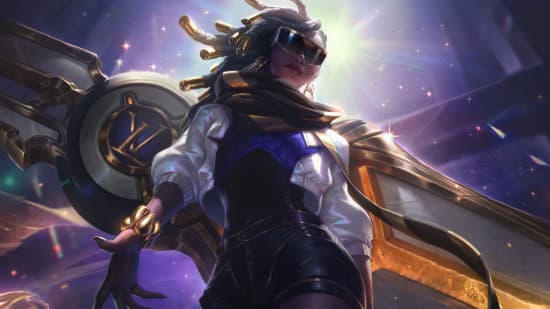
Riot says it isn’t making “LoL 2″—but the post-2026 overhaul might feel like one
Game intel
League of Legends
“Legends Never Die” - League of Legends & Against The CurrentPremiered at the opening ceremony of the 2017 World Cup Finals, Against The Current performed this…
Why Riot’s “not a League of Legends 2” news actually matters
Riot just confirmed what Bloomberg leaked: sometime after 2026 League of Legends will get a much larger overhaul than the steady trickle of patches we’ve lived with for years. Importantly, Riot insists this isn’t “League of Legends 2”-but the changes they described (an integrated client, rebuilt Summoner’s Rift visuals and gameplay tweaks, Runes and pre-game choice reworks, plus a full new-player experience) read like everything you’d expect from a sequel-level refresh.
This caught my attention because League has been both impossibly stable and quietly creaky: champion releases and balance patches still come fast, but the game’s onboarding, client, and fundamental systems haven’t felt modern for a while. If Riot pulls this off, it could be the refresh League needs to stay relevant to new players and to compete with rising MOBAs and genre hybrids.
Key takeaways
- Riot confirms a major post-2026 overhaul-officially not called “LoL 2”-that bundles client, map, Runes, pre-game choices and new-player experience updates.
- More details are expected between MSI and Worlds 2026 (summer-autumn window), so this is early-stage but real work is underway.
- This could reshape matchmaking, onboarding, and competitive integrity—but Riot needs to answer questions about accounts, ranked progression, and hardware demands.
Breaking down what Riot actually said
Riot’s Paul “Pabro” Bellezza and Andrei “Meddler” van Roon framed this as a “bundle of changes” that makes more sense together than as isolated updates. The headline items: a new around-game client that’s integrated with the match client (instead of the separate launcher today); a visual and gameplay revamp of Summoner’s Rift; changes to Runes and pre-game choices; and an overhaul of the new-player path.
Those are big. An integrated client alone has been a top community request for years—our current client feels like a patched-together relic compared to modern launchers or Dota 2’s in-client features. Revamping Summoner’s Rift visually is cosmetic on the surface, but if Riot fuses new visuals with “a bit of new gameplay,” that could affect rotations, vision, and lane dynamics.
Why this matters now
League has matured into an ecosystem: esports, skins, cross-platform ambitions, and multiple Riot games feeding the same audience. The game’s “steady evolution” model worked before, but the market is changing—indie MOBAs, genre mashups, and newer games targeting onboarding friction mean Riot can’t rely on legacy strength alone.
Also, Riot has form here. Remember the Runes Reforged overhaul and the Item System changes? Those were massive and controversial, but they reshaped the meta. This feels like that scale again—only broader, because it’s bundling client + map + systems + onboarding together.

The real questions Riot still needs to answer
- Will this split the player base? If the overhaul requires new downloads or legacy mode, will old accounts retain ranked placement and cosmetics?
- Performance and hardware: will the new client or Rift visuals lock out lower-spec players, especially in regions with weaker PCs?
- Competitive integrity: how will Riot ensure changes to terrain or pre-game choices don’t break esports balance or force a long relearning period?
- Monetization: will this be an opportunity for more paid cosmetics or “new player” bundles? Riot’s history suggests they’ll monetize non-competitive polish—players should watch closely.
Want to Level Up Your Gaming?
Get access to exclusive strategies, hidden tips, and pro-level insights that we don't share publicly.
Ultimate Gaming Strategy Guide + Weekly Pro Tips
The gamer perspective: cautious optimism
As someone who’s played League across seasons, I’m excited and cautious. The new-player experience is overdue—getting friends into League has been a chore—and a modern client would remove a visible pain point. But “not ready to show” is also code for “expect more leaks, more debate.” The community will judge this by two things: does it make the game easier to pick up, and does it preserve the strategic depth that keeps veterans coming back?
If Riot takes inspiration from indie innovations—better verticality, fresh map layouts, more emergent play—you could see a meaningful shift in how League games feel. Conversely, if the changes are mostly visual with a few UI tweaks, that won’t be enough.

Looking ahead
Riot says we’ll get more between MSI and Worlds 2026, which gives them time to field-test ideas and collect player feedback. That’s the right approach—slow reveals with playable builds would calm fears and build trust. For now, treat “not a LoL 2” as semantics: this update could be sequel-sized in impact, and that makes the latter half of 2026 one of the most important windows for League fans in years.
TL;DR
Riot’s post-2026 overhaul bundles a new integrated client, a rebuilt Summoner’s Rift, Runes and pre-game reworks, and a reworked onboarding. It isn’t called “LoL 2,” but it could reshuffle how new and veteran players experience the game—if Riot can avoid fragmentation, performance problems, and unnecessary monetization.