
Road to Vostok isn’t just another survival shooter hitting Early Access – it’s the clearest proof yet that players really do want an offline, no-FOMO version of Tarkov’s anxiety loop. And a solo Finnish ex-soldier just landed that punch before any big studio could get there.
Table of Contents (7)
Key takeaways
- Road to Vostok launched into Steam Early Access on April 7, 2026, and quickly shot into the global top sellers chart, briefly sitting around 7th worldwide.
- It’s effectively a “single-player Tarkov”: hardcore survival FPS, extraction-style looting, hostile AI factions, and a Vostok zone that can permanently delete your save.
- Solo developer Antti Leinonen says day-one sales “secured the entire production budget for this game for years and years to come,” flipping the usual desperate-Early-Access story on its head.
- The real risk now isn’t money – it’s whether one person can sustain a years-long content treadmill for a systems-heavy, high-expectation hardcore audience.
A “single-player Tarkov” that actually understands the assignment
People have been throwing the phrase “single-player Tarkov” around for years, usually to describe games that share the aesthetic but not the pressure. Road to Vostok takes the parts that actually matter to Tarkov fans – risk, planning, and extraction stakes — and rebuilds them as a strictly solo experience.
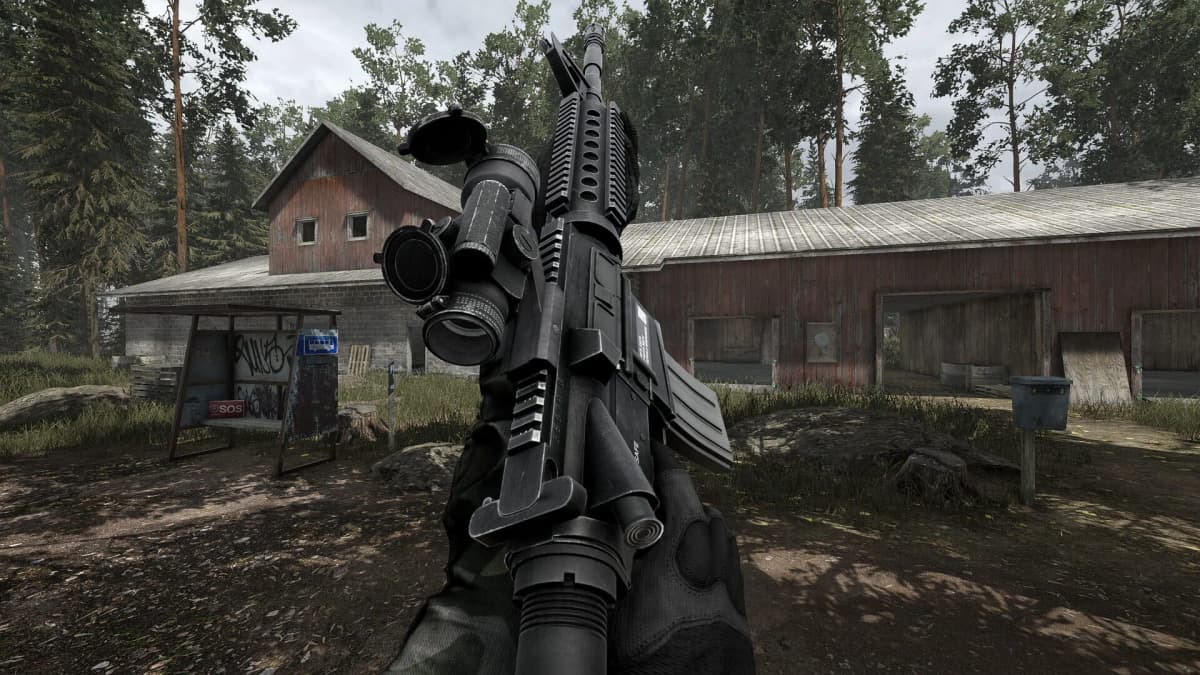
Set on a grim, post-apocalyptic stretch of the Finland-Russia border, the game splits its world into relatively safer border areas and the eponymous Vostok zone. You gear up in safer regions, scavenge gear in abandoned outposts and villages, then push deeper toward high-risk areas where the best loot — and the worst outcomes — live.
Core features right now include:
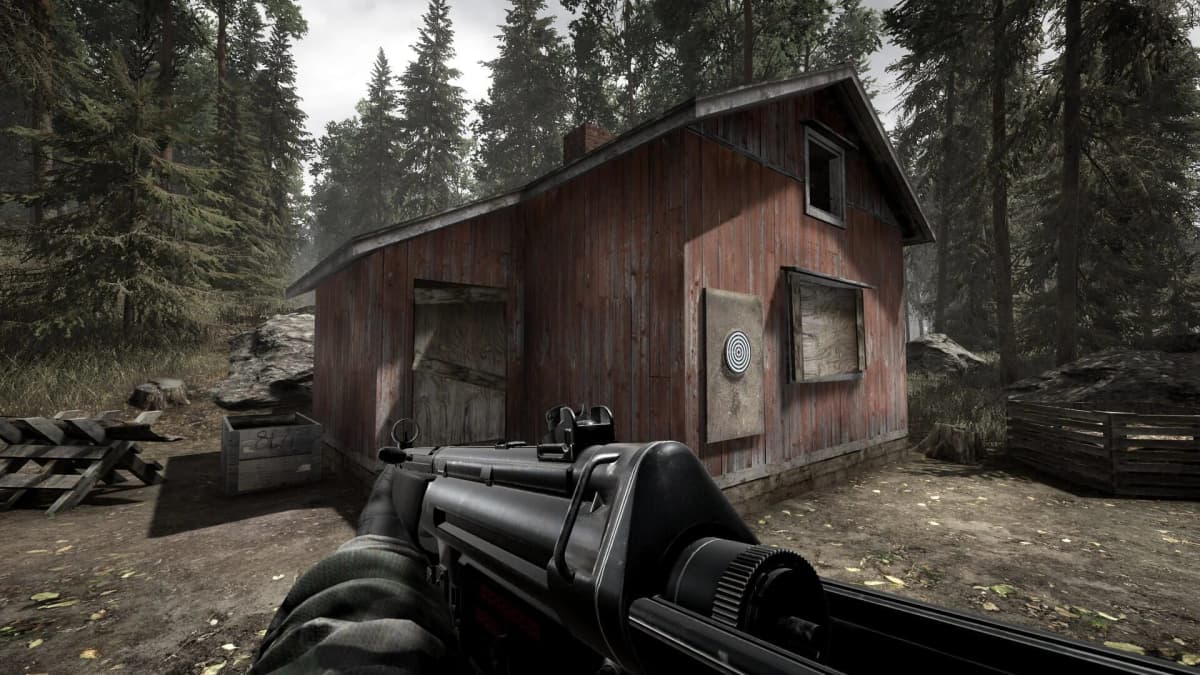
- Hardcore first-person gunplay with realistic ballistics and recoil
- Physics-based looting where items physically exist in the world, not just in magic containers
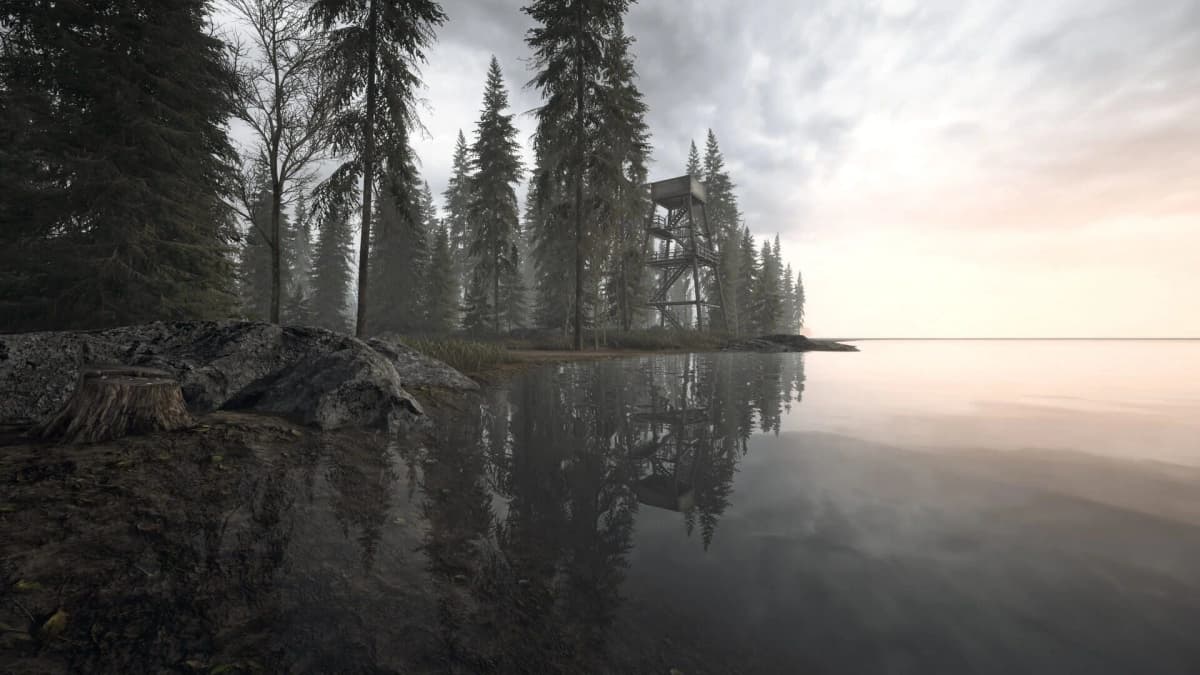
- Day-night cycles and seasonal weather that affect visibility and pacing
- Hostile AI factions instead of other players, with patrols and ambushes
- Shelter management and traders for long-term progression between runs
It’s extraction logic without the social chaos. No cheaters, no third-party VOIP drama, no “did I just lose a week’s grinding to desync?” — just you versus the systems. That’s a fantasy a lot of Tarkov players quietly have, and Road to Vostok is bluntly selling directly to that group.
Early Access, but with money in the bank for once
Most Early Access pitches read like a plea: “Buy now so we don’t run out of money.” Road to Vostok is in the much rarer position of hitting Early Access after it’s already proven itself.
Leinonen spent roughly four years building the game largely alone, releasing 15 demo updates that reached around 800,000 players on Steam. That wasn’t just vibes — it was market research and stress testing. By the time the full Early Access version dropped at around $15 (with a small launch discount), the audience was primed and waiting.
Within 24 hours of launch, the game climbed into Steam’s global top sellers, briefly outpacing heavy hitters like Slay the Spire 2 and sitting in the same neighborhood as Crimson Desert. In a post celebrating the launch, Leinonen said the past day had been “absolutely insane” and that sales had “secured the entire production budget for this game for years and years to come.”
That line matters more than the chart position. Most survival shooters enter Early Access half-starved and then stretch every dime with paid cosmetics, founder packs, or feature cuts. Road to Vostok now has runway for a 2-4 year roadmap without having to nickel-and-dime its niche audience. If he sticks to that, this could be one of the cleaner value propositions in the genre: pay once, no PvP, no battle passes, no live-service FOMO.
The permadeath pitch is both the hook and the trap
The real headline mechanic is the Vostok zone itself. Enter those deep, high-risk areas, and death doesn’t just cost you your loadout — it can wipe your entire save. It’s old-school roguelike cruelty scaled up to a whole campaign.
For the target audience, that’s catnip. If you’ve ever looked at Tarkov’s endgame and thought, “I wish there was a way to actually finish a character,” the idea of an ultimate, all-or-nothing push into Vostok makes sense. It gives the run-based structure a climax, not just an endless accumulation of slightly nicer guns.
But this is also where the hype train can derail. Steam’s top charts bring in curious players who see “hardcore FPS” and a low price tag, not “this might delete 40 hours of your life if you get cocky.” The game’s marketing and in-game UX will need to make that risk brutally clear or risk a wave of “this is unfair” backlash from people who weren’t really signing up for ironman rules.
If I had one question for the dev right now, it would be this: how locked-in is the permadeath philosophy? Because as the game grows, the temptation to sand down those edges for mass appeal is going to be enormous — and losing that sharpness would turn Road to Vostok into just another looter-shooter with good marketing.
One-man army vs years of content expectations
The feel-good part of this story is obvious: ex-army guy leaves the military, bets everything on a solo project, and it blows up. But after the congratulations comes the part PR doesn’t talk about — can one person actually deliver what players now think they’re buying into?
The planned roadmap spans several years, with new maps, more weapons, deeper shelter systems, traders, additional “Vostok-style” high-risk zones, and eventually mod support. Tarkov-likes live and die on depth: ammo quirks, armor nuances, map knowledge, AI behaviors, economy tuning. Every one of those layers is time and testing, not just asset drops.
Leinonen has already shown he can iterate in public — 15 demo updates and a polished-feeling vertical slice don’t happen by accident. But Early Access success changes the pressure. You go from tinkering for a hungry niche to being the guy who just sold hundreds of thousands of people on their dream “offline Tarkov.” Burnout, feature creep, and overpromising are now much bigger threats than funding.
The upside of being solo is focus: no shareholder demands, no pivot to PvP to chase Twitch numbers, no forced monetization U-turn. The downside is that if anything goes wrong, there’s no team to absorb the hit. The next 12-18 months of updates will tell us which side wins.
What to watch next
- The first big content update: Whenever the game drops its first major post-launch patch with new areas or systems, pay attention to how substantial it is. That will set expectations for the whole roadmap.
- Difficulty and permadeath tuning: If save-deleting Vostok runs get quietly nerfed or wrapped in safety nets, that’s a sign the game is chasing a broader audience at the expense of its core identity.
- Communication cadence: Regular, transparent devlogs will matter more here than for most indies. One-person projects can go quiet fast; this one can’t afford that now.
- Mod support plans: If proper mod tools land, the community can help shoulder the content burden and keep Road to Vostok alive well beyond its Early Access window.
TL;DR
Road to Vostok has hit Steam Early Access as a brutally committed “single-player Tarkov,” complete with extraction stakes and save-deleting permadeath zones. Its solo Finnish developer recouped years of production budget within a day, proving there’s serious demand for an offline, pay-once take on the formula. The next test is whether one person can sustain the depth and pace this kind of hardcore survival shooter needs without softening what made it stand out in the first place.
FinalBoss // Gear
Level up your setup
01Top-rated gaming headsetson Amazon→02High-refresh gaming monitorson Amazon→03Gaming chairson Amazon→04Discounted game keyson Kinguin→
Affiliate links · As an Amazon Associate, FinalBoss earns from qualifying purchases.
Want to Level Up Your Gaming?
Get access to exclusive strategies, hidden tips, and pro-level insights that we don't share publicly.
Ultimate Gaming Strategy Guide + Weekly Pro Tips