
Road to Vostok is not just another survival shooter quietly slipping into Steam’s endless Early Access queue. It is a rare attempt to turn the Tarkov/STALKER fantasy into a purely single-player, brutally unforgiving sandbox – and it’s asking you to fund a 2-4 year experiment run almost entirely by one Finnish developer.
Table of Contents (7)
Key takeaways
- Road to Vostok launched on Steam Early Access on April 7, 2026 at $14.99/€14.99 with a 25% launch discount for two weeks, then rises to $19.99/€19.99 – you’re paying for a long-term project, not a finished Tarkov-like.
- The core loop is a hardcore, single-player extraction-style FPS on the Finland–Russia border, with randomized loot, seasonal weather, and Vostok zones where death can wipe your entire save.
- Solo developer Antti Leinonen plans to stay in Early Access for 2–4 years, using sales to stay independent and roll out systems and maps in phases.
- Right now the game is more proof-of-concept than complete experience: strong atmosphere and ideas, but limited content and rough AI that will live or die on update cadence.
A “single-player Tarkov” is more than a marketing line
Strip away the Steam tags and the comparisons, and Road to Vostok is built around a very specific fantasy: the tension and risk profile of an extraction shooter, without other players dictating the pace, with a STALKER-style sense of place.
The premise is simple but harsh. You move through a post-apocalyptic border region between Finland and Russia. On the “safe” side, you scavenge, trade, and gear up. On the other side – the militarized Vostok zones – you run high-risk raids for better loot and progression. The catch: in certain Vostok areas, death is not just dropping your backpack. According to the current design, it can mean save-wide permadeath, effectively erasing that entire career.
That pushes the design far past typical “hardcore” shooters. Many games talk about permadeath; Road to Vostok bakes it into the structure of specific maps as a deliberate choice. You decide when to step into those zones, knowing failure is catastrophic. It is closer to classic roguelikes or Project Zomboid in philosophy than to a forgiving looter shooter.
On top of that, the game leans into simulation-heavy survival. There is a full day-night cycle, seasonal weather shifts, and a deliberately sparse interface – including stretches with effectively no traditional HUD. Loot is physics-based and randomized, which means no two raids should feel identical once the content pool is big enough. The setting, a bleak Finland-Russia border, carries clear STALKER DNA in its grounded, Eastern European-style misery rather than sci-fi bombast.
The important point: this is not Escape from Tarkov with bots hastily bolted in. The absence of PvP changes the design pressure completely. Difficulty has to come from scarcity, visibility, sound, and AI behaviors, not from another player pre-aiming your spawn. If the AI and world systems are not good enough, the entire “single-player Tarkov” pitch collapses into a shooting gallery with nice weather effects.
Early Access here is basically a multi-year field test
Leinonen estimates Road to Vostok will stay in Early Access for 2–4 years. That range is intentionally vague and depends on sales, feedback, and how much can be built by a mostly solo developer without taking a deal that compromises control.
The current Early Access build arrives after roughly four years of pre-release work, including a free demo that reportedly hit close to a million downloads. The jump from demo to paid EA adds multiple new maps, more weapons and items, and a harsher “ironman” style option. But the developer has been explicit: this is not anywhere near “feature complete.” Core systems like AI behavior, economy depth, late-game progression, and more varied environments are all on the roadmap rather than finished today.
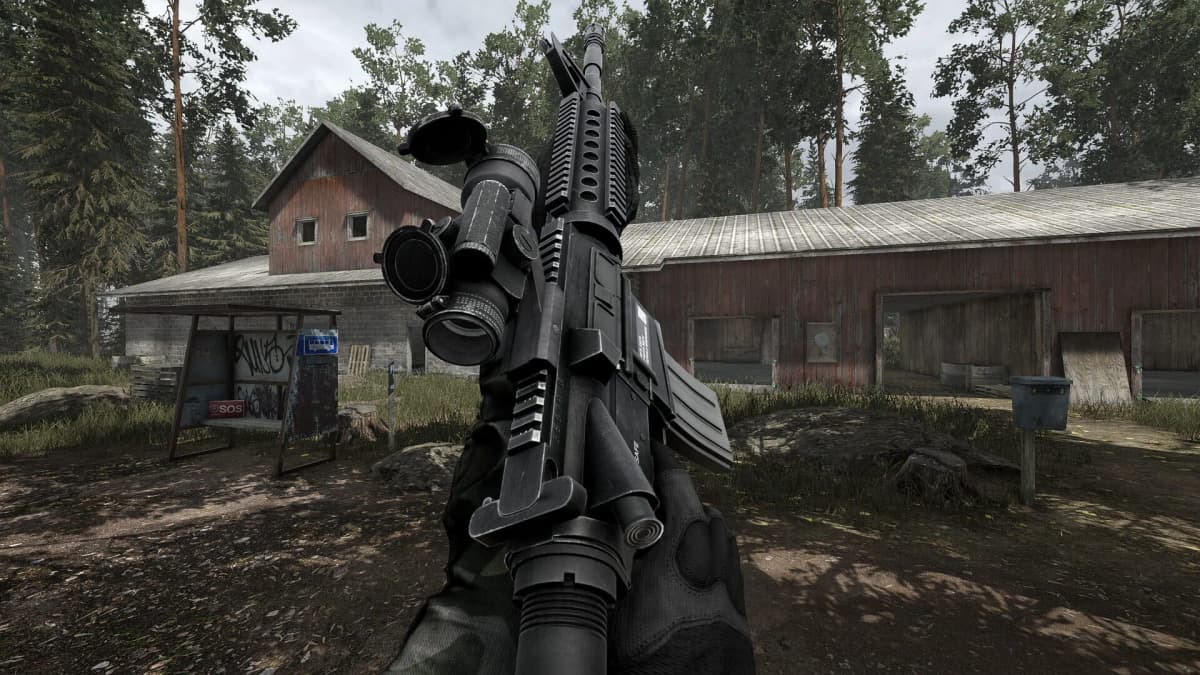
That roadmap, which targets at least a couple of years of structured updates, reads less like a patch schedule and more like an evolving design document. Content is planned to arrive in phases: new regions, more detailed survival mechanics, expanded trading and shelter systems, and refinement of the Vostok permadeath loop. This is Early Access as live laboratory – mechanics may be replaced or heavily reworked in response to player data.
The upside is obvious: players who buy in early can directly influence how hardcore the game remains, how punishing Vostok zones are, and where development effort goes. The downside is just as obvious: the version on Steam right now will feel thin if you walk in expecting the density of Tarkov, STALKER 2, or even mid-budget survival sandboxes.
Early player reports already point to AI that can be inconsistent or exploitable, and systems that feel promising but incomplete. That is normal for a fresh Early Access launch, but here it matters more than usual because the entire selling point is “single-player, high-tension PvE.” There is no fallback of “the players will create the drama” if the AI and simulation do not hold up.
One technical note worth flagging: Road to Vostok runs on Godot, after a mid-development engine switch. For players, that mainly means a very small team owns the full stack. Performance, features, and any engine quirks will be solved in-house or with help from an open-source community, not via a big Unity/Unreal support contract. That independence is a strength creatively, but it is another variable in a long Early Access plan.
The price and launch discount say a lot about scope
Pricing is where the strategy becomes concrete. Road to Vostok launched at $14.99/€14.99, with a 25% discount for the first two weeks after the April 7 release. After that window, the price jumps to around $19.99/€19.99.
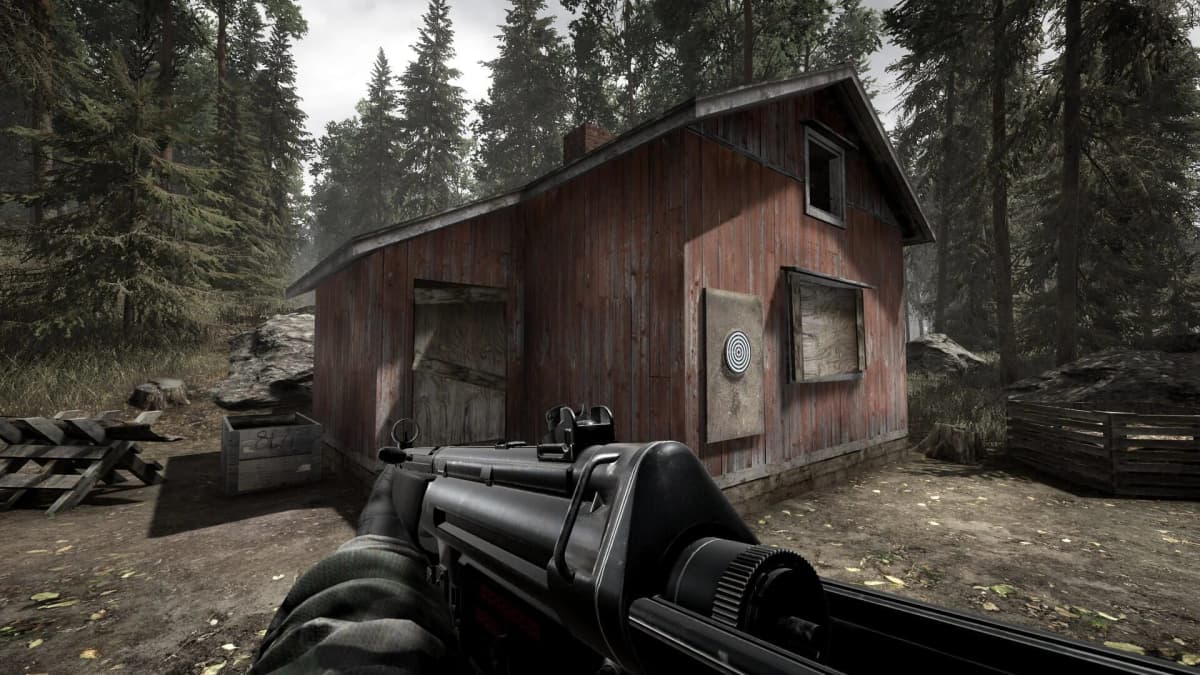
That puts it squarely in the mid-tier indie bracket – more expensive than a “throwaway” $5 experiment, cheaper than most AA shooters. It is a signal that the developer sees this not as a small side project, but as a long-term, premium survival sim built over years.
There is another layer: Leinonen has said that Early Access is what allows him to stay independent. Within 24 hours of launch, sales were already strong enough to reportedly recoup the initial production budget. That is good news if you are worried about the game being abandoned, but it also shifts the incentive structure. Once basic costs are covered, the main question becomes whether the developer can sustain the pace of updates that a hardcore audience will demand.
For players, the pricing and timeline together define the real proposition:
- Buy now at a discount, get a rough but promising sandbox, and ride a multi-year wave of changes.
- Wait a year or two, pay a bit more, and (in theory) get a much fuller experience after the biggest experimental swings are done.
Given the 2–4 year estimate, there is also a version of this story where Road to Vostok never actually hits a 1.0 that feels “finished” in the traditional sense, but instead hardens into a niche, ever-evolving survival sim. Many Early Access survival games end up in that limbo, and the deciding factor is almost always the consistency of communication and patches rather than any one big feature.
Hardcore design without other players cuts both ways
The main reason Road to Vostok exploded in wishlists and Early Access sales is simple: a large chunk of the audience likes Tarkov-style tension but does not want Tarkov-style multiplayer. They are tired of desync, cheating, queue times, metagame drama, or simply do not have the schedule for high-stress PvP sessions.
In that sense, a pure single-player survival FPS is the logical next step. No netcode problems. No hackers ruining raids. No economy warped by streamers and no-lifers. Just you, your gear, and the simulation. It is an attractive pitch.
But that pitch is also a trap for the developer. In multiplayer extraction shooters, content is partly “outsourced” to other players. Human unpredictability generates stories even in relatively static maps. In Road to Vostok, all of that pressure lands on:
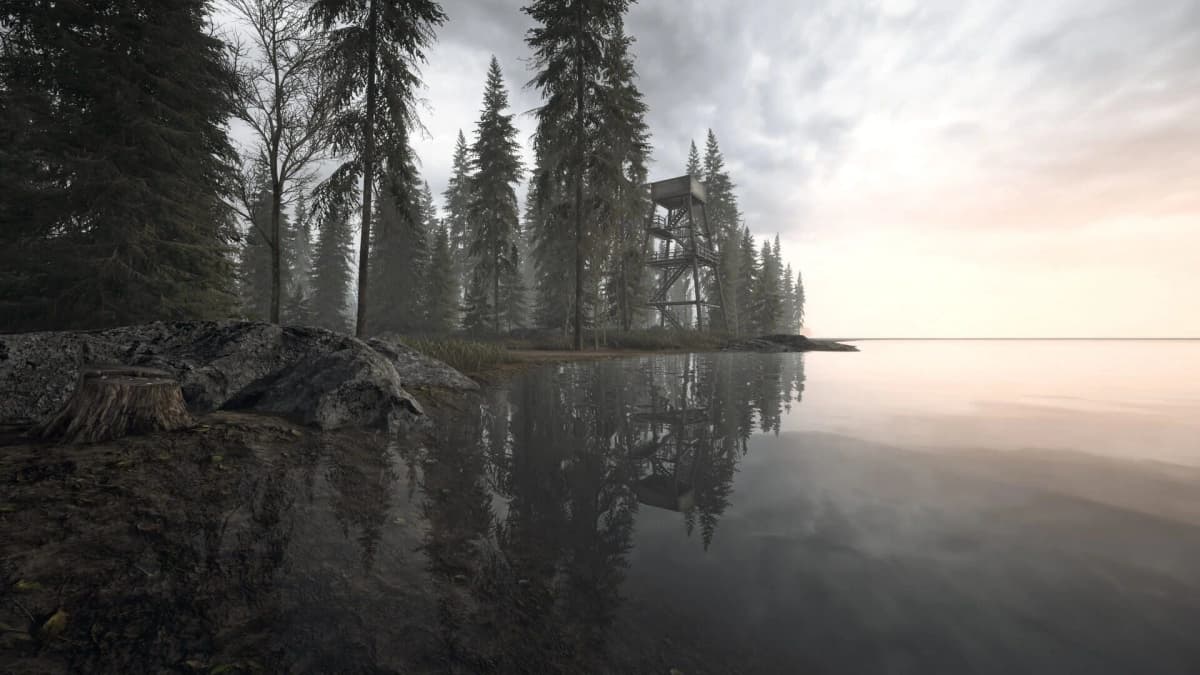
- AI sophistication (flanking, hearing, reaction times, use of cover)
- Systemic interactions (weather, lighting, sound propagation, stamina, injuries)
- Map design that stays interesting after dozens of runs even without human mind games
- Economy and progression that make each successful extraction feel meaningful
If any of these pillars stays weak for too long, the hardcore framing becomes a liability. A punishing permadeath system without equally deep systems around it just feels unfair, not tense. Players will tolerate brutal difficulty when they sense a high level of systemic consistency; they will not when deaths feel like bugs or bad AI pathing.
This is where solo development cuts both ways. One person can maintain a consistent vision for tone, pacing, and mechanics in a way large studios often cannot. The Finland-Russia border setting, the muted art direction, and the commitment to high-stakes survival all feel unusually coherent for an Early Access shooter. At the same time, every missing feature, every AI quirk, and every needed quality-of-life tweak competes for that same one person’s time.
Historically, the survival genre is littered with projects that aimed for “hardcore sandbox with permadeath” and never quite got there because the content treadmill outran the team. Road to Vostok is attempting that with essentially one designer-programmer at the center. That is ambitious in the best sense, but it demands realistic expectations from anyone clicking “buy” in the Early Access window.
What to watch over the next year
If you are tracking Road to Vostok, a few specific signals will tell you whether this is a breakout success story or another promising survival sim stuck in permanent alpha.
- Post-launch patches (April–June 2026): How quickly does the game address early pain points like AI behavior, performance issues, and basic UX? A steady stream of small, targeted patches is a good sign.
- First major content update: The timing and size of the first big map or system expansion will indicate how realistic the 2–4 year roadmap really is.
- Player retention and reviews: Initial “Overwhelmingly Positive” bursts are common. What matters is the trendline after the launch discount ends and the price climbs to $19.99.
- Communication cadence: Devlogs that explain what changed, what did not, and why, will be crucial for maintaining trust in a solo-run Early Access project.
- System depth vs. new features: Whether updates deepen existing survival and AI systems or chase new surface-level content will determine how “hardcore” the final game actually feels.
For now, Road to Vostok is exactly what its store page says: a brutally unforgiving, atmospheric single-player survival FPS at the very start of a long Early Access road, not a finished alternative to Escape from Tarkov. Whether it grows into that alternative depends less on how brutal Vostok feels today and more on what the next few years of updates look like.
TL;DR
Road to Vostok has launched into Steam Early Access as a solo-developed, hardcore single-player survival FPS set on the Finland–Russia border, with high-risk Vostok zones that can wipe your entire save. It matters because it is one of the first serious attempts to transplant Tarkov-style extraction tension into a pure PvE experience, backed by a 2–4 year roadmap and a mid-tier price that effectively crowdfunds continued development. The key thing to watch now is whether the solo developer can deliver regular, meaningful updates that deepen AI, survival systems, and map variety enough to justify the “single-player Tarkov” label.
FinalBoss // Gear
Level up your setup
01Top-rated gaming headsetson Amazon→02High-refresh gaming monitorson Amazon→03Gaming chairson Amazon→04Discounted game keyson Kinguin→
Affiliate links · As an Amazon Associate, FinalBoss earns from qualifying purchases.
Want to Level Up Your Gaming?
Get access to exclusive strategies, hidden tips, and pro-level insights that we don't share publicly.
Ultimate Gaming Strategy Guide + Weekly Pro Tips