
Table of Contents (7)
Roblox didn’t win 2025 – it swallowed it
The most important trend in games last year wasn’t a console launch or a blockbuster release. It was attention – and almost all of it landed inside one platform. Matthew Ball’s State of Video Gaming 2026 makes that obvious: Roblox accounted for roughly 10.25 billion monthly hours in 2025 and grabbed between 60% and 67% of industry growth outside China. Simple experiences like Grow a Garden pulled 710 million hours a month, outperforming entire publisher catalogs. That’s not just success – it’s concentration, and concentration has winners and casualties.
- Roblox dominance: ~10.25 billion monthly hours and more than 150 million active users in 2025 (Ballreport via PC Gamer / 3DJuegos).
- Outsize single-title engagement: Grow a Garden averaged ~710 million monthly hours — comparable to Fortnite and larger than Blizzard’s combined catalog.
- Investment squeeze: Private funding into games fell about 55% in 2025, starving the studios that aren’t riding Roblox’s wave.
- The real risk: Growth is real but narrowly distributed; that undermines variety, long-term innovation, and indie viability.
This isn’t just “a hit” — it’s platform capture
Make no mistake: 10.25 billion hours a month is a gigantic number. Ball’s report (summarized across outlets including PC Gamer and Push Square) shows Roblox eating more gameplay hours than PlayStation, Steam and Fortnite combined. That translates into attention, monetization, and developer opportunity concentrated inside one walled garden. The uncomfortable observation is obvious: when one platform soaks up that much time, the rest of the industry is left rationing a smaller, stagnant pie.
Why Grow a Garden matters more than it should
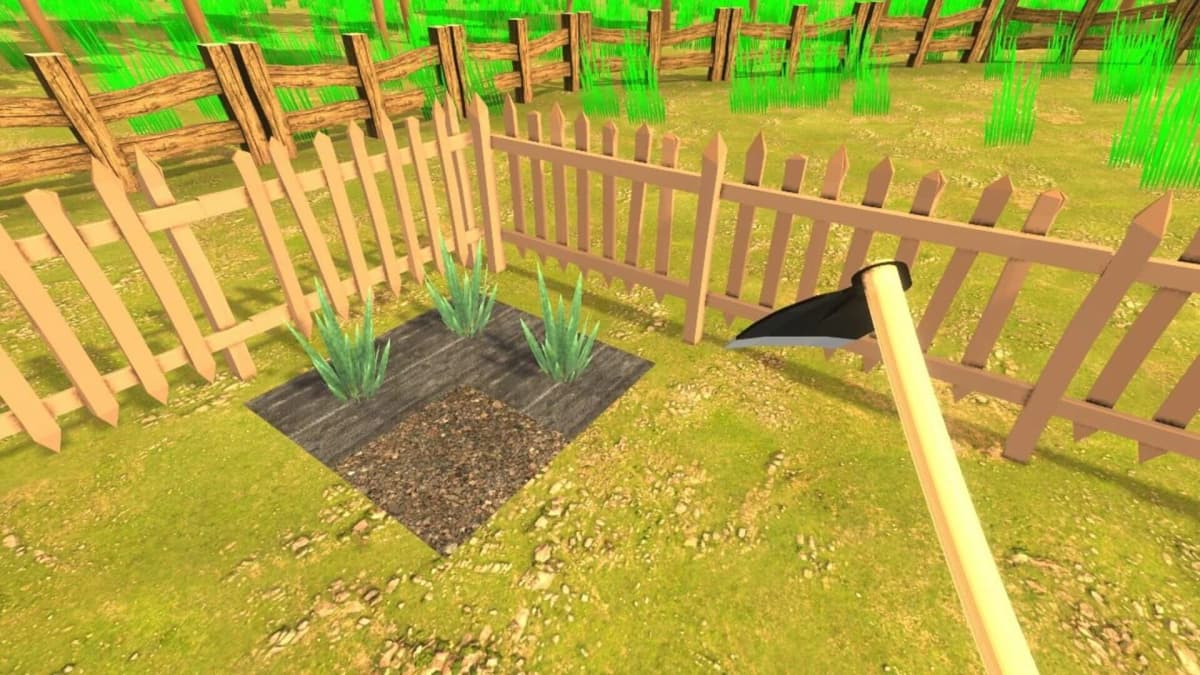
Grow a Garden is a tiny game that should be invisible in press cycles. Instead it registered roughly 710 million monthly hours in 2025 — a figure that outpaced Blizzard’s entire monthly-hours total. That tells you two things. First, engagement at scale today doesn’t require cutting-edge tech or triple-A budgets; it requires the right hooks and discoverability inside a dominant social platform. Second, discoverability advantage bends success toward platform-native formats and creators, not traditional studios or publishers.
Indies are getting boxed out, and the numbers prove it
The industry can grow and still be unhealthy. Ball’s report — and reporting around it — notes that while revenue totals look fine, private funding fell 55% in 2025. VC money and private investment are how many indies move from prototype to sustainable studio. If capital dries up at the same moment engagement and monetization cluster on a single platform, investment will follow the winners and leave the rest to wither.
The result is a feedback loop: platforms with massive attention attract developers who chase those audiences, which increases the platform’s value and pushes investors to double down. Meanwhile, studios building for PC, console, or niche experiences face a tougher pitch to backers. That’s not theoretical — it’s the explanation for why small teams making inventive games struggle to scale today.
The question the PR deck didn’t want to answer
If you put me in a room with Roblox’s comms team I’d ask plainly: how do you justify a system that centralizes attention around a few creators while regulatory and legal risks (including recent U.S. lawsuits highlighted in regional reporting) could shift that attention overnight? Growth that large looks powerful until the platform loses the trust of parents, regulators, or advertisers.
What to watch next
- Roblox’s Q1‑Q2 2026 earnings calls — look for engagement trends and any change in DAU/MAU reporting cadence.
- VC/private funding reports for H1 2026 (PitchBook, Crunchbase summaries) — a renewed drop or rebound will show whether capital deserts non‑platform games.
- Legal and regulatory developments around Roblox in the U.S. — outcomes could change parental trust and ad spend rapidly.
- Top indie release windows (mid-late 2026) — if indies keep shrinking budgets and scope, the market is bifurcating, not expanding.
If you want a single metric to check in three months: monthly hours for the top 10 Roblox titles versus the combined monthly hours of comparable PC/console catalogs. If the gap keeps widening, we’ve moved from a diverse industry to an attention ecosystem with one effective gatekeeper.
TL;DR
- Roblox accounted for roughly 10.25B monthly hours in 2025 and grabbed most of the industry’s growth.
- Small games like Grow a Garden now outperform entire catalogs, showing discovery inside platforms matters more than production budgets.
- With private funding down ~55% in 2025, indie studios risk being starved while attention — and money — piles into one place.
FinalBoss // Gear
Level up your setup
01Top-rated gaming headsetson Amazon→02High-refresh gaming monitorson Amazon→03Gaming chairson Amazon→04Discounted game keyson Kinguin→Affiliate links · As an Amazon Associate, FinalBoss earns from qualifying purchases.
Want to Level Up Your Gaming?
Get access to exclusive strategies, hidden tips, and pro-level insights that we don't share publicly.
Ultimate Gaming Strategy Guide + Weekly Pro Tips