

Robots At Midnight: Dynamic Combat & Player-Friendly Design
Game intel
Robots At Midnight
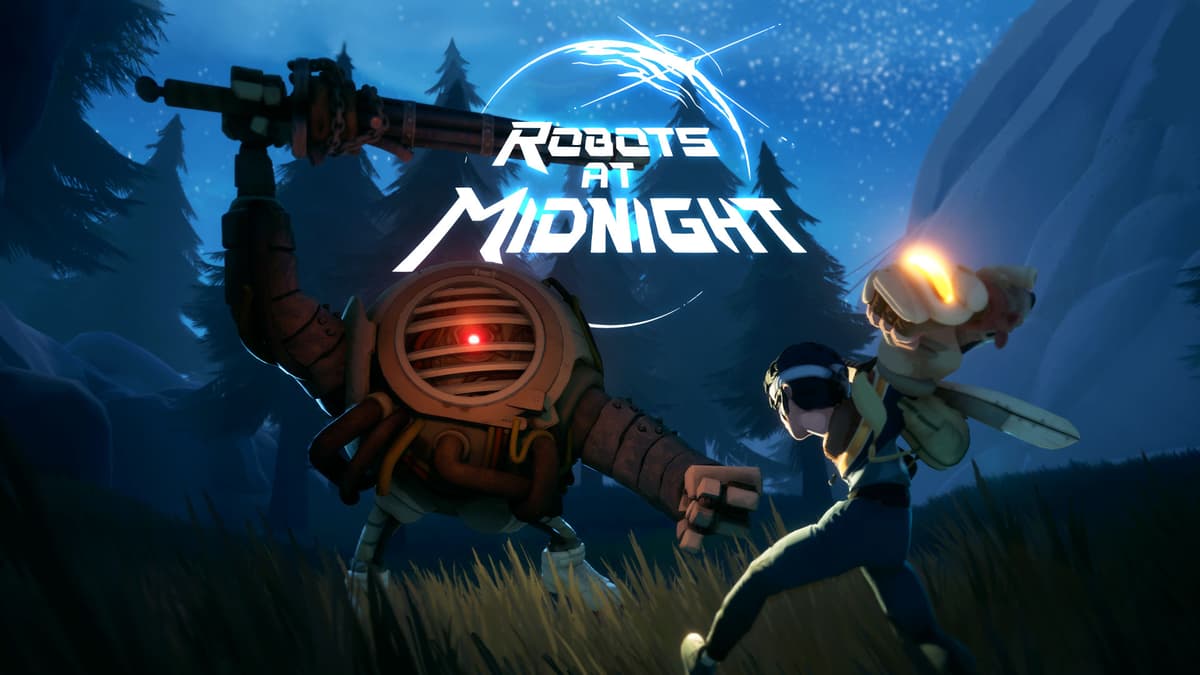
Robots at Midnight will have you embracing intense combat, unravelling deep lore, and discovering what it means to be human. In this Action RPG, explore the wo…
Robots At Midnight: Dynamic Combat & Player-Friendly Design
| Feature | Specification |
|---|---|
| Publisher | Snail Games |
| Developer | Finish Line Games |
| Release Date | June 19, 2025 |
| Genre | Action RPG |
| Platforms | PC (Steam), Xbox Series X|S |
Story and Worldbuilding
Waking Zoe from cryo-sleep flings you into a neon-soaked metropolis where the mission feels familiar—find her missing father, shut down a crazed AI, and dismantle rogue robots—but the world brims with personality. Nexus Hub, the sprawling city center, teems with side missions like recovering stolen schematics or escorting informants through patrolled streets. Zoe’s snarky banter with her AI partner, ARI, lightens moments that could easily feel rote.
Details surface through logs, environmental cues, and NPC dialogue. A derelict subway station doubles as a resistance hideout, revealing clues to the city’s downfall, while hidden holos depict prototype machines overrunning the streets. Hero Mode keeps the narrative moving, but switching to Master Mode unlocks deeper side chapters about characters such as Kai the smuggler and Dr. Vega the disgraced scientist.
Combat Mechanics
The heart of the game is Zoe’s modular MITT gauntlet, which starts with basic punches and a short dash and evolves into a toolkit of strategic options. By mid-game, I paired a stagger-inducing Shockwave Punch with a Heat Laser beam that shredded shields, creating openings to finish off foes. Combat scenarios demand adaptation: agile Scout Drones require quick EMP blasts, while hulking Sentinels test your parry timing.
Boss encounters stand out for their learning curves. The Monochrome Warden, with sweeping lasers and ground pounds, forced me to master a dodge-parry-strike cycle. Though comparisons to titles like Hades or God of War are fair, Robots At Midnight carves its own niche: in one arena, I swapped EMP for homing missiles, turning swarms into guided targets—a twist on crowd control I haven’t seen handled this cleanly since Ratchet & Clank.
Traversal and Level Design
Traversal powers feel integral rather than tacked-on. The MITT’s grapple shot grants access to hidden upgrade caches, while hover jets let you cross chasms in the Neon District. In Master Mode, I combined wall-runs with air dashes to navigate a volcanic power plant’s molten hazards—a sequence reminiscent of Guacamelee! or Ori and the Will of the Wisps.
Each area—Industrial Slums, Luminal Market, AI Core—offers unique movement puzzles. Conveyor belts in the Market force split-second timing or risk being flung into lasers; magnetic fields in the Core invert your mitt’s polarity to scale ceilings for ambushes. These arenas double as combat stages: I leapt onto a moving crane to land a mid-air strike, then grappled away before drones closed in.
Visuals and Art Direction
Robots At Midnight blends chunky, late-’90s character models with modern lighting and effects. Neon accents, reflective surfaces, and particle bursts give life to a stylized cityscape. The Monochrome District drains color almost entirely, save for bright hazard markers and pickups that guide your path like electric breadcrumbs.
Enemy designs and environments evoke Jet Set Radio’s energy through a cyber-punk lens. A flooded reactor sequence stole the show for me—spotlights dancing on water ripples, shadowy silhouettes emerging from submerged corridors, and tension built through minimalistic color contrasts.
Want to Level Up Your Gaming?
Get access to exclusive strategies, hidden tips, and pro-level insights that we don't share publicly.
Ultimate Gaming Strategy Guide + Weekly Pro Tips
Sound and Music
The synthwave score channels Tron: Legacy vibes, layering chiptune and industrial drums that intensify as battles heat up. Dynamic music cues signal incoming swarms, prompting me to unleash devastating combos. Voice acting is solid, with ARI’s quips echoing classic sidekick banter. Every MITT impact resonates with a mechanical crack, and the laser’s continuous hum conveys slicing power.
Accessibility and Modes
Finish Line Games nails flexibility with two distinct modes. Hero Mode eases HP bars and slows enemy attacks—ideal for story-focused players—while Master Mode sharpens enemy behavior, tightens hitboxes, and unlocks exclusive upgrades. Custom options include adjustable text size, color-blind palettes, and an auto-parry toggle that balances assistance without feeling like a crutch.
The “Challenge Lab” offers modifier-based boss rematches—one-life runs or low-gravity duels—that keep completionists engaged long after the main campaign concludes.
Replayability and Endgame
New Game+ carries over all MITT enhancements and introduces an experimental Phase Shift ability to dodge through projectiles. A Hero Mode playthrough takes about 15–20 hours, while Master Mode pushes that to 25 or more if you pursue sidequests and lab challenges. Hidden holos and alternate ending triggers reward thorough explorers, and all content comes without DLC paywalls.