
Rock Crusher Is the Idle Game That Actually Wants You to Play
Game intel
Rock Crusher
Crush, upgrade, explore! This incremental clicker puts you in control of a little rock crusher on a mysterious planet. Uncover its secrets and your destiny as…
Rock Crusher caught my attention because it doesn’t just promise “big numbers go up”-it adds bosses, exploration, and a gigantic skill tree to the idle formula. Built by solo Vietnamese developer FVS (Mini Fun Games) and launched on Steam on August 18, 2025, it moved over 10,200 copies in its first two weeks, hit New & Trending, and sits at a Very Positive rating. That’s not luck; that’s a pitch resonating with an audience that’s been burned by shallow clickers before.
Key Takeaways
- It’s an incremental game that actually asks for input: bosses, timing, and a blower tool keep you engaged.
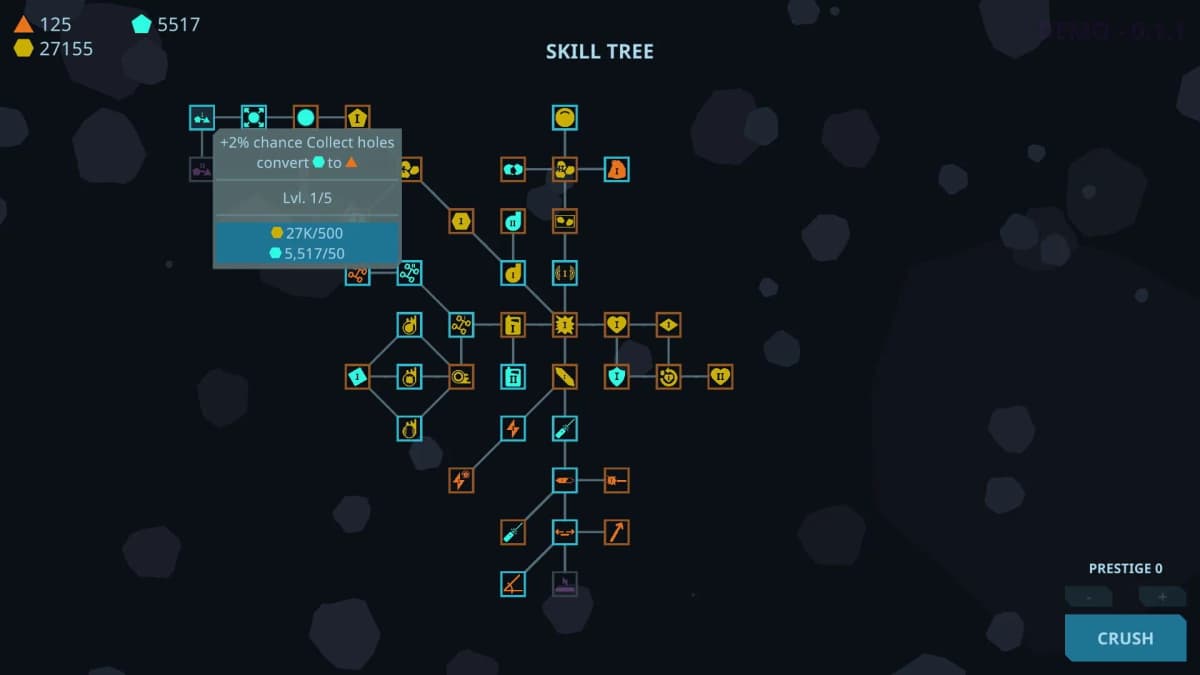
- The massive skill tree looks like genuine buildcraft, not just +1% filler.
- Strong early traction (10k+ copies, Very Positive) suggests good tuning out of the gate.
- Linux and macOS native clients plus an itch.io demo are player-friendly moves from a solo dev.
Breaking Down the Announcement
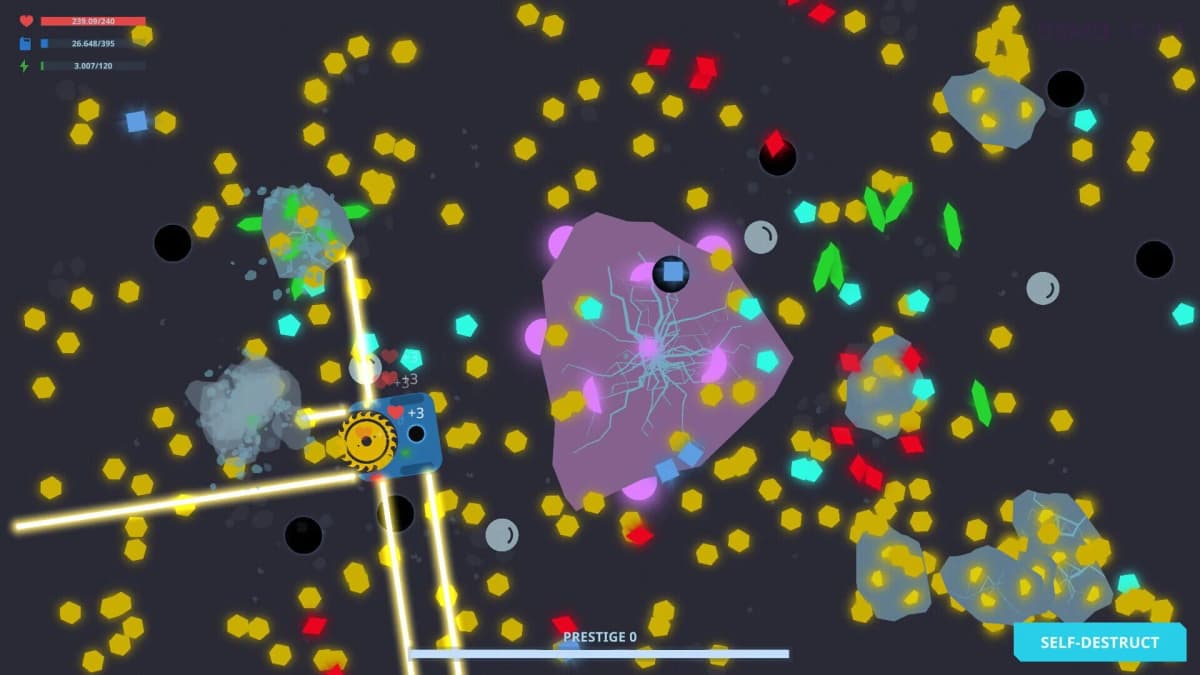
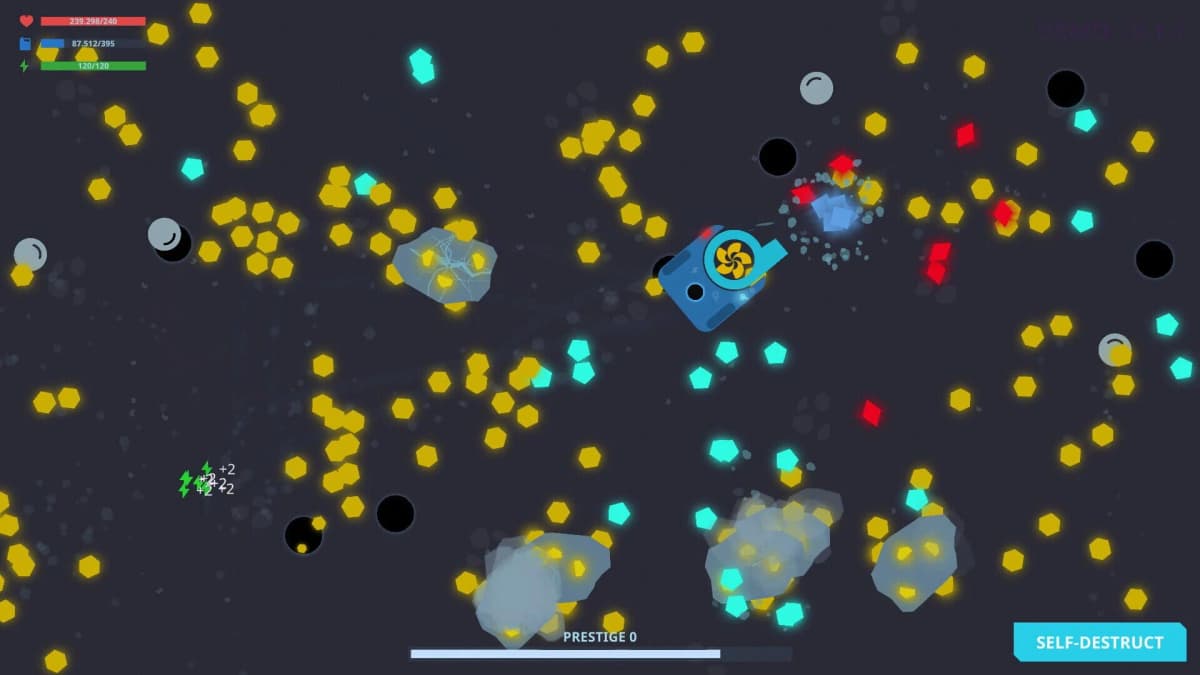
On paper, Rock Crusher is familiar: crush rocks, vacuum up the shards with a built-in blower, bank resources, buy upgrades, repeat. The twist is how it layers systems. There’s a prestige loop for long-term bonuses, a story about a stranded machine uncovering planetary secrets, and-most importantly-gated progression through giant boss encounters. It’s a clear attempt to break the “leave it running in a background tab” mold that defined early genre staples like Cookie Clicker and Clicker Heroes.
I’m getting Leaf Blower Revolution vibes from the moment-to-moment loop (collecting debris is oddly satisfying), but Rock Crusher leans harder into curated challenge. Bosses are more than HP sponges; they’re milestone checks that force you to rethink your build, not just your patience. That additional friction could be the difference between a week-long fling and a game you come back to over months.
The Real Story: A Skill Tree With Teeth
Incremental games love to brag about “massive skill trees,” but most are stat-padding spreadsheets. Rock Crusher’s pitch is different: the tree doubles as a design space for distinct playstyles—pushing raw crushing power, accelerating resource intake via blower synergies, or unlocking passive helpers that reduce click-tax. When players can meaningfully pivot strategies (not just buy all nodes eventually), the midgame avoids that dreaded plateau where motivation evaporates.
This matters because the best in the genre—think Melvor Idle at its peak—succeed by turning upgrades into identity. If Rock Crusher’s nodes meaningfully change the feel of your machine (area-of-effect shatters, resource multipliers tied to timing, risk-reward perks that help versus bosses), it could sit in that sweet spot between idle comfort food and light-buildcraft experimentation. I’m cautiously optimistic, and the early reviews suggest people are finding real choices rather than a single optimal path.
Why This Clicks in 2025
We’re in a post-Vampire Survivors, systems-first moment where players appreciate tight loops and quick dopamine hits—but they also expect bite. Rock Crusher sticks to a budget-friendly scope (one machine, one planet) and spends its ambition on progression texture: boss checkpoints, a lore thread to pull on, and a prestige layer to keep returns worthwhile. That’s exactly how a solo dev competes in a crowded Steam catalog: focus deep, not wide.
Cross-platform native support is also a quiet win. Linux users, notoriously underserved outside the Proton bubble, appreciate day-one clients—and that goodwill often shows up in reviews and word of mouth. An itch.io demo with progress carryover is another player-first move that signals confidence in the loop. If you’re proud of your early game, let people taste it. Smart.
Want to Level Up Your Gaming?
Get access to exclusive strategies, hidden tips, and pro-level insights that we don't share publicly.
Ultimate Gaming Strategy Guide + Weekly Pro Tips
The Gamer’s Perspective: Hype vs. Substance
Here’s what I’m watching after the honeymoon period:
- Midgame pacing: Does progression stall into a numbers swamp, or do bosses and new biomes keep momentum?
- Build diversity: Are there legit alternative paths, or does one meta steamroll everything once discovered?
- Quality of life: Smart auto-collection thresholds, sensible UI for a large skill tree, and clear boss telegraphs matter more than another +x% node.
- Post-launch support: The dev is already patching bugs and promising language updates. If balance tweaks hit steadily, this could grow fast.
One caveat: “Very Positive” at launch reflects an engaged niche, not the entire market. Early reviews overweight enthusiasts who already love incremental design. That’s fine—serve your core—but the real test comes when casual players hit their first difficulty spike. If Rock Crusher can make boss failures feel like learning, not punishment, it’ll convert tourists into lifers.
Comparisons That Actually Help
If you liked the automation arc of Forager but wanted more deliberate gates, or you bounced off idle clickers for being too hands-off, this sits between those poles. It’s pick-up-and-chill enough for a lunch break, but the boss design nudges you to engage. Think of it as Leaf Blower Revolution’s tactile satisfaction with a touch of NGU Idle’s planning itch—minus the spreadsheet paralysis.
Looking Ahead
Rock Crusher is already a win for a solo shop: 10k+ copies, trending visibility, and a community asking for more. The question isn’t “Is there a game here?”—there is. It’s “Can FVS keep layering smart upgrades and encounters without bloating the loop?” If updates prioritize new bosses, meaningful tree branches, and gentle on-ramps for fresh players, this could be one of 2025’s sleeper feel-good stories for the incremental crowd.
TL;DR
Rock Crusher takes the idle foundation and gives it teeth with bosses, a chunky skill tree, and player-first touches like native Linux support and a demo. Early success is earned; long-term legs will depend on midgame pacing and build diversity—but for now, this is one incremental worth your time.