
Rock Crusher Review: Idle Game Masterpiece or Time Sink?
Game intel
Rock Crusher
Crush, upgrade, explore! This incremental clicker puts you in control of a little rock crusher on a mysterious planet. Uncover its secrets and your destiny as…
Why Rock Crusher Hooked Me—and Made Me Hesitate
When Rock Crusher appeared on my Steam radar promising a “massive skill tree,” I felt that classic mix of excitement and skepticism. As someone who’s poured unholy hours into Idle Slayer, Forager, and half a dozen grind-heavy clickers, I know how a deep system can quickly become a mindless number chase. Slated for an August 18 launch across Steam, Windows, macOS, Linux, and browsers, Rock Crusher begs the question: is it the next idle game legend, or just another pebble in the clicker pile?
What Is Rock Crusher?
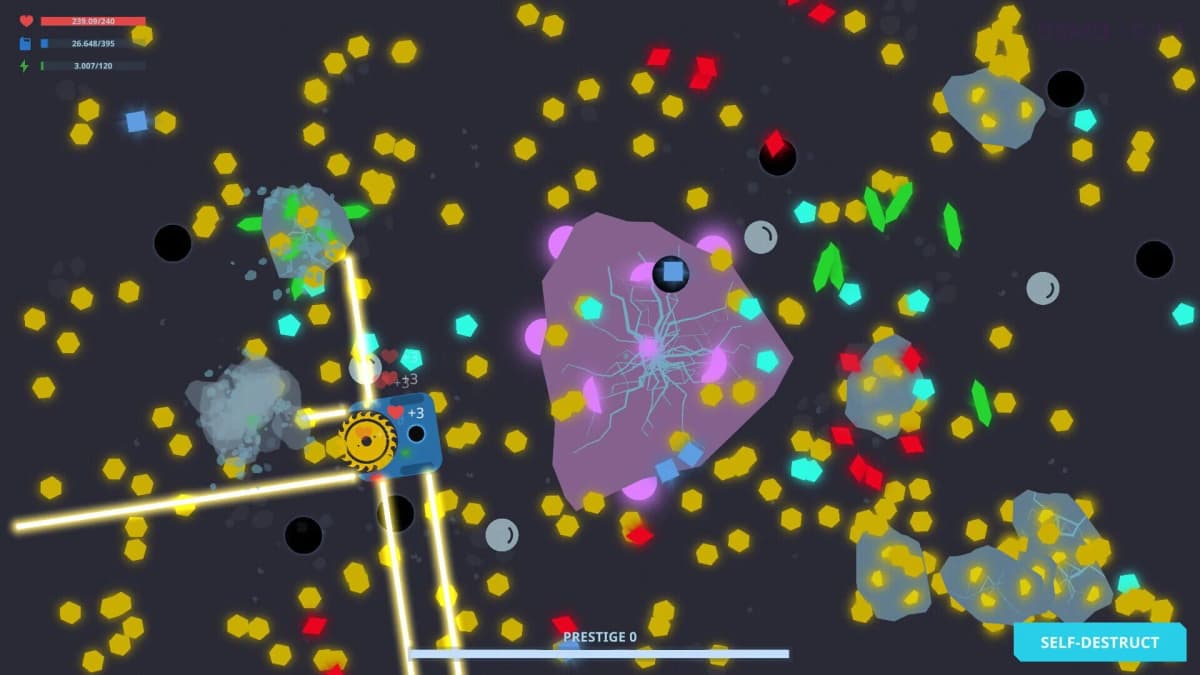
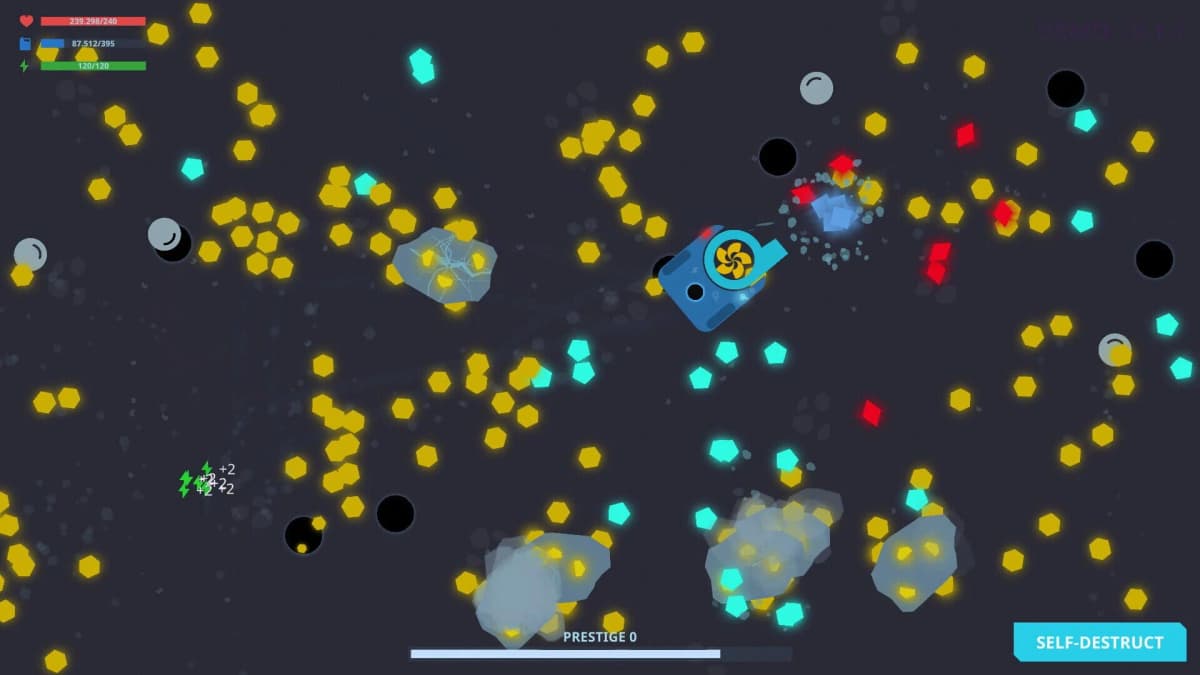
At its core, Rock Crusher is an incremental (idle/clicker) title developed by one-man studio Mini Fun Games. You control a humble rock-crushing machine marooned on a mysterious alien world. Each click (or automated tap) pulverizes rocks, yielding minerals you trade for upgrades. Over time, those upgrades evolve your crusher, automate tedious tasks, and unlock new mechanics like boss encounters and prestige resets.
Unlike many cookie-cutter clickers, Rock Crusher wraps its grind in a sci-fi narrative: you’re not just smashing stones for giggles, but uncovering secrets buried beneath the planet’s crust. Every milestone hints at a deeper mystery—if you can endure the clicks.
The Core Gameplay Loop Explained
Rock Crusher’s loop can be summarized in three phases: Crush, Upgrade, Repeat.
- Crush: Click or let your crushers auto-tap to break rocks and collect ores. Early stone yields lead to copper, then iron, and eventually cosmic rarities.
- Upgrade: Spend resources on power boosts, unlocked in the skill tree, to crush faster. Equip passive helpers—like drilling bots or magnetic vacuums—to gather while you’re offline.
- Repeat: As numbers escalate into the billions, the pace slows. That’s when you either prestige or unlock fresh mechanics, like new rock types or elemental enhancements.
This triad feels familiar yet polished. Resource icons are crisp, the audio feedback crackles satisfyingly, and idle gains keep you invested even when you step away.
Prestige and Long-Term Progression
Prestige resets are a cornerstone of idle design. Rock Crusher’s system awards prestige points once you shatter a certain tonnage of stone. Those points are spent on meta-upgrades—supercharged resource gains, faster autobuild times, and permanent buffs to helper efficiency.
What sets Rock Crusher apart is its pacing: prestige points accrue steadily rather than in one big, abrupt jump. You’ll see incremental boosts every few minutes post-reset, which eases the sting of starting over. It’s a carrot that feels earned, not forced. But caution: if early prestige yields too steep a power curve, the mid-game could become a blur of overpowered clicks and vanish into boredom.
The Absolute Beast of a Skill Tree
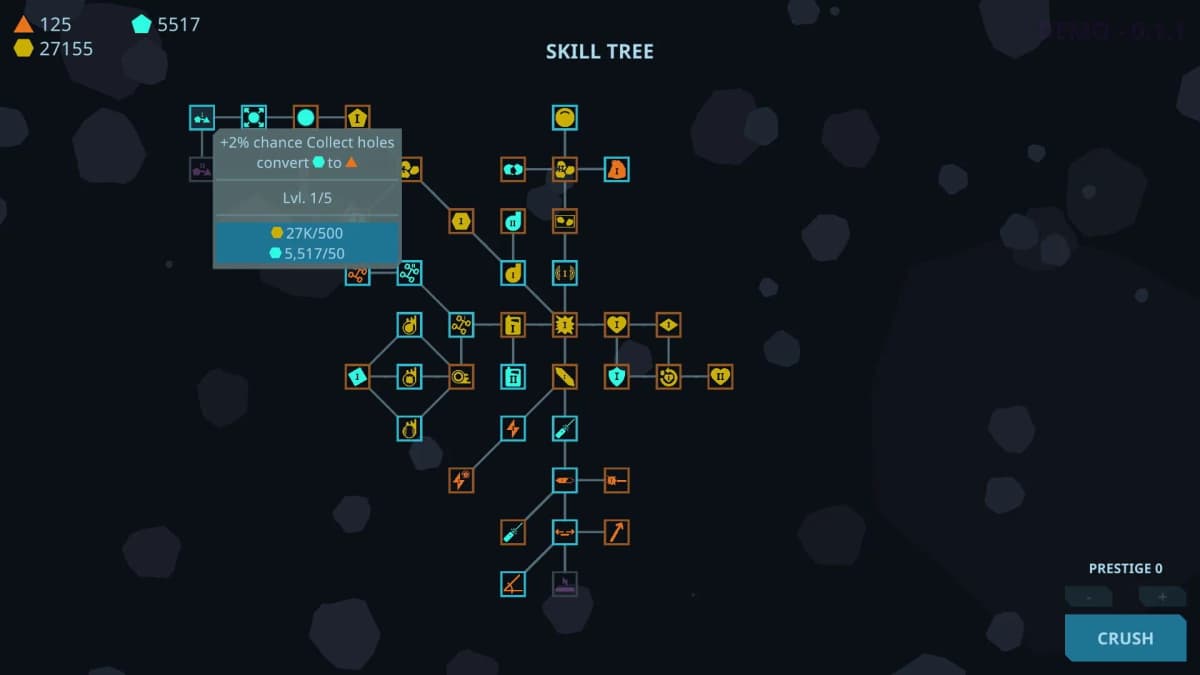
This sprawling web of upgrades is both the game’s greatest promise and its biggest risk. Dozens of branches span categories like Accelerated Crushing, Quantum Enhancements, and Rock Elementalization. Sub-branches unlock passive assistants—hover drones, mini-drills, even gravity modulators that slow time around high-value ores.
For build-crafters, the tree is a dream: every playthrough invites experimentation. Want a hyper-focused mining rig that chews through diamond strata? You can. Prefer a drone-heavy factory that farms materials while you sleep? It’s in the cards. But this freedom demands balanced design. If every node feels mandatory to stay competitive, you end up chasing endless small gains instead of making meaningful choices.
In my demo runs, I tipped into a handful of “must-hit” nodes for a quick power spike, then stalled searching for the next unlock. Mini Fun Games must ensure the tree dangles noticeable strategic forks: “Should I invest in faster clicks or unlock the gravity mod first?” Otherwise, the fun fractals of decision-making collapse into busywork.
Boss Battles and Planetary Mysteries
Rock Crusher ditches the typical clicker formula by weaving in giant boss fights. Each boss stands guard over a resource tier—beat the Crystal Golem to crack open rare gems, or outmaneuver the Magma Maw to access lava-forged elements. These encounters break the monotony of clicks; they require strategic toggles of skills, timed abilities, and occasional manual bursts of clicking to whittle down epic boss health bars.
Between fights, cryptic lore logs hint at an alien civilization that once thrived here. Unlock terminals to reveal environmental lore—why massive tectonic shifts froze this planet’s core, or how ancient miners harnessed rock vibrations for energy. These narrative breadcrumbs add context, giving clicks a purpose beyond fluffy numbers.
Want to Level Up Your Gaming?
Get access to exclusive strategies, hidden tips, and pro-level insights that we don't share publicly.
Ultimate Gaming Strategy Guide + Weekly Pro Tips
Demo Perks and Community-Friendly Moves
Mini Fun Games earns brownie points with its pro-consumer demo. Play now, and every ounce of ore crushed carries over to launch. No second-class demo limitations—your time is valued. In a genre where developers often lock half the content behind paywalls, this gesture wins trust.
Even better, bundling Rock Crusher with other indie gems like Nomad Idle and Minutescape shows keen insight into idle fandom. Own those titles, and you unlock deeper discounts on the full game. It’s a small gesture, but in a community that treasures both tribes and bargains, it hits home.
Indie Dev Spotlight: Why Solo Teams Matter
Mini Fun Games is effectively a solo-dev operation based in Hanoi. I have a soft spot for one-person or small-team projects—these developers often take bold, idiosyncratic risks you won’t see from big studios. Yet solo builds also risk rough edges: janky UI flows, occasional performance hiccups, and slower patch cadences.
So far, the demo ran smoothly on my midrange laptop with no crashes, and load times were snappy. But this is the honeymoon phase. Once early access invites trickle out to content creators, any balancing missteps or bugs will be spotlighted on YouTube and Twitch. The indie glow can turn harsh fast if devs can’t keep up with player feedback.
Learning from the Greats: Comparisons and Inspirations
The developer cites Nodebuster, Digseum, To The Core, and Gnorp Apologue as inspirations—titles known for shaking up idle gameplay. Nodebuster’s clever resource chain designs, Digseum’s puzzle-like prestige upgrades, and Gnorp Apologue’s engaging narratives have all raised the genre bar. If Rock Crusher mirrors even half of their strengths—meaningful branching upgrades, intermittent strategy breaks, and narrative hooks—it could carve out its own niche.
In my sessions, I felt echoes of Nodebuster’s mid-game revamp when unlocking elemental skills, and a hint of Digseum’s satisfaction in each prestige reset. But Rock Crusher still needs a dash more puzzle-like momentum: perhaps special challenge modes or timed events to accentuate its core loop.
Potential Pitfalls: Jank, Balance, and Busywork
No idle game is immune to grind fatigue. If the skill tree nodes offer minimal percentage boosts, you risk millions of hours spent tapping “Upgrade” for vanity numbers. Similarly, poorly tuned boss health or prestige ratios can turn what should be a thrill into a chore.
On the jank side, I saw a few UI anchors overlap in the demo’s skill-tree menu, and one tooltip failed to update correctly when I hovered over a prestige bonus. These are minor annoyances now, but without robust QA, they can pile up.
Balance, however, is the greater beast. To keep clicks feeling impactful, each major milestone should reward a tangible gameplay shift—new orbital crusher drones, for example, or unlockable mini-games that tie back into resource generation. If every milestone boils down to “+0.5% click speed,” players will wander off.