

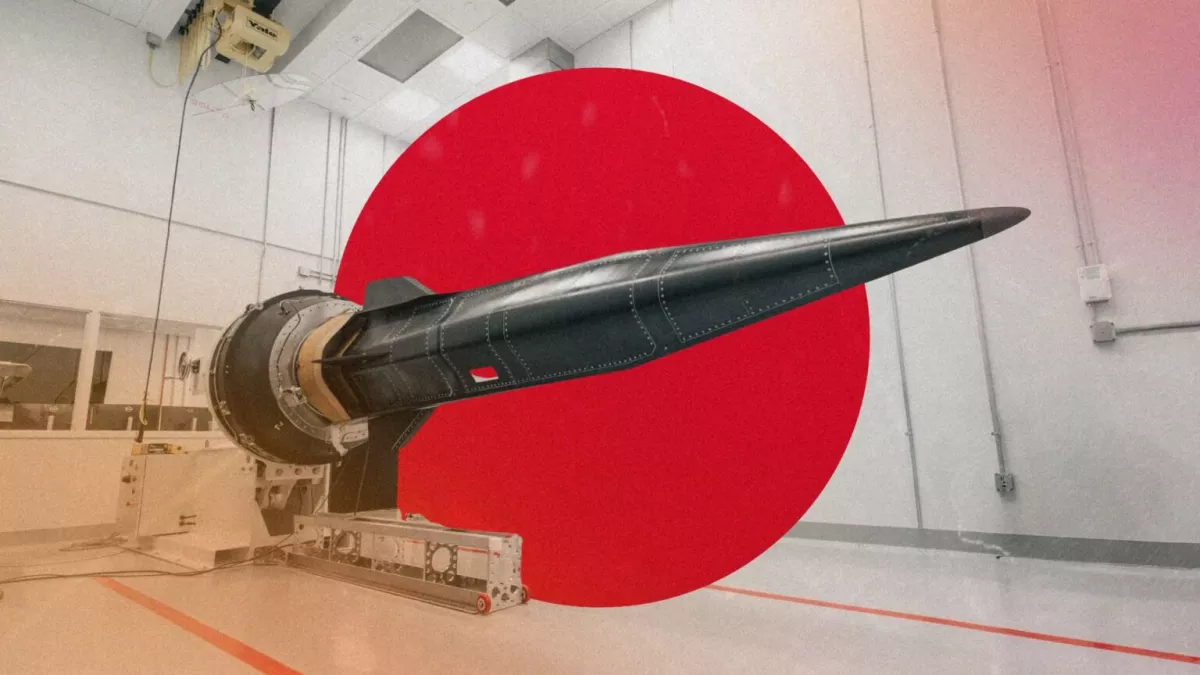
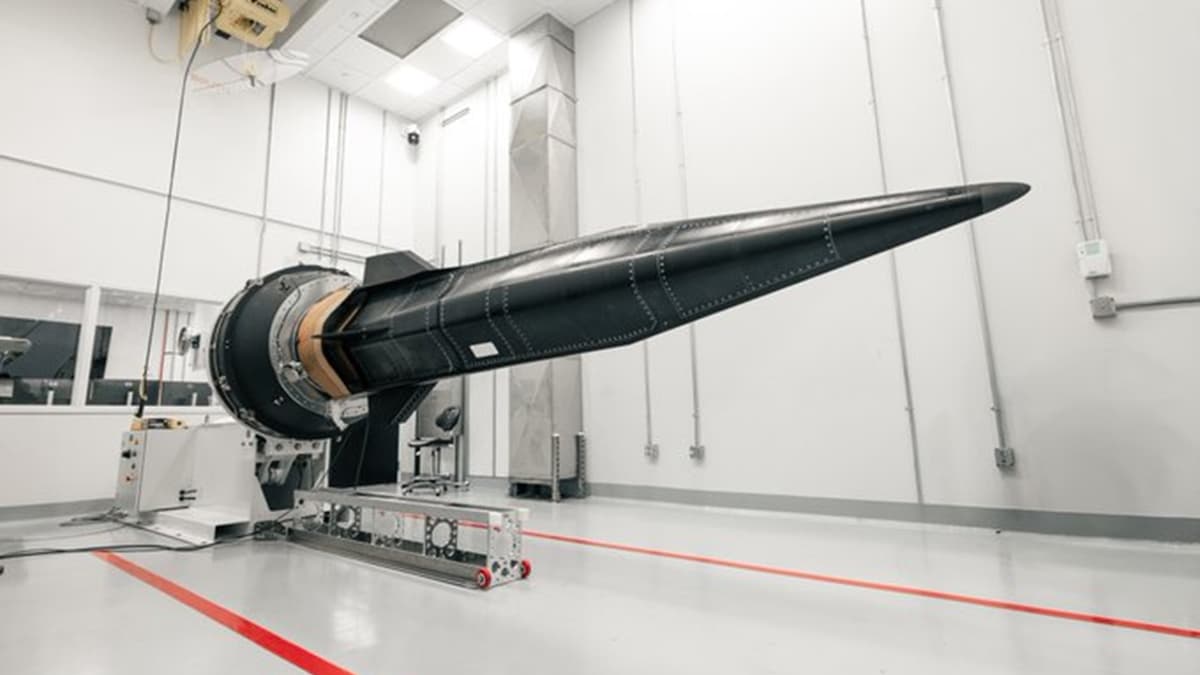
Rocket Lab is about to do something most launch streams don’t: fling a 3.5‑meter Australian scramjet up to ignition speed and let it try to hit hypersonic maneuvering regimes. The HASTE vehicle – a beefed‑up Electron – will boost Hypersonix’s DART AE to roughly Mach 5 so the scramjet can light and attempt maneuvers approaching Mach 7. It’s a short, violent test, but it’s also another data point in a Pentagon effort to push hypersonics quickly into the hands of programs that can iterate fast.
Call it what it is: a suborbital demonstrator flight, not a deployed weapon. HASTE is a strengthened Electron built to carry up to ~700 kg of experimental hardware on a ballistic arc. For DART AE, that means the launcher supplies the initial speed and altitude the scramjet needs to breathe and burn. If the scramjet ignites cleanly and sustains combustion, engineers can measure stability, control and whether the propulsion behaves as predicted toward Mach 7.
Don’t confuse a successful burn with an operational system. Scramjets need specific atmospheric density, precise inlet conditions and a narrow flight corridor to work — conditions easy to approximate in a short suborbital run but far harder to sustain in an operational missile or aircraft. In practice, this is a laboratory experiment performed at 10,000-30,000 meters rather than fielding a new class of weapon overnight.
Numerama frames the launch as part of a Pentagon-backed push — and that backing matters. The Department of Defense is not just buying rides; it’s pushing the supply chain to hand over rapid prototyping and novel tech from small players. That posture shows up elsewhere: the same reporting notes the Pentagon recently pressed AI companies like Anthropic for broad access to models. Together, these threads show a DoD eager to force fast access to cutting‑edge capabilities across domains, from rockets to algorithms.
For Rocket Lab, the benefit is clear: the company is positioning HASTE as a repeatable, low‑cost path to hypersonic data. After a busy 2025 (19 launches reported), this is Rocket Lab’s fourth hypersonic test in six months — a cadence intended to turn episodic demos into real engineering progress.
The public livestream gives the appearance of transparency, but expect gaps. Due to the mission’s defense ties and sensitive telemetry, video may be cut or technical details withheld. Equally, the very short flight window of suborbital scramjet demos makes them fragile: a timing slip, weather or a single sensor anomaly can scrub the whole experiment. The PR takeaway is “We demonstrated X”; the engineering reality will be a messy log file that only a small team fully understands.
If I were interviewing the PR rep, my question would be blunt: what objective measurement — sustained thrust, control authority, or off‑nominal recovery — will you call a success, and when will the underlying flight data be made available to independent researchers?
Rocket Lab’s HASTE will boost Hypersonix’s DART AE tonight in a Pentagon‑backed suborbital test aimed at scramjet ignition and maneuvering near Mach 7. It’s a meaningful engineering step and a marker of the DoD’s strategy to leverage small launchers and commercial partners. But a successful suborbital burn is a proof‑of‑concept, not an instant fieldable weapon — watch the post‑flight data release and whether this cadence turns into repeatable performance.
Get access to exclusive strategies, hidden tips, and pro-level insights that we don't share publicly.
Ultimate Gaming Strategy Guide + Weekly Pro Tips