
Routine Returns After 13 Years: Can This Retro-Sci-Fi Horror Finally Stick the Landing?
Game intel
Routine
Routine is a First Person Sci-Fi Horror title set on an abandoned Lunar base designed around an 80’s vision of the future. Curious exploration turns into a nee…
Why Routine’s Return Actually Matters
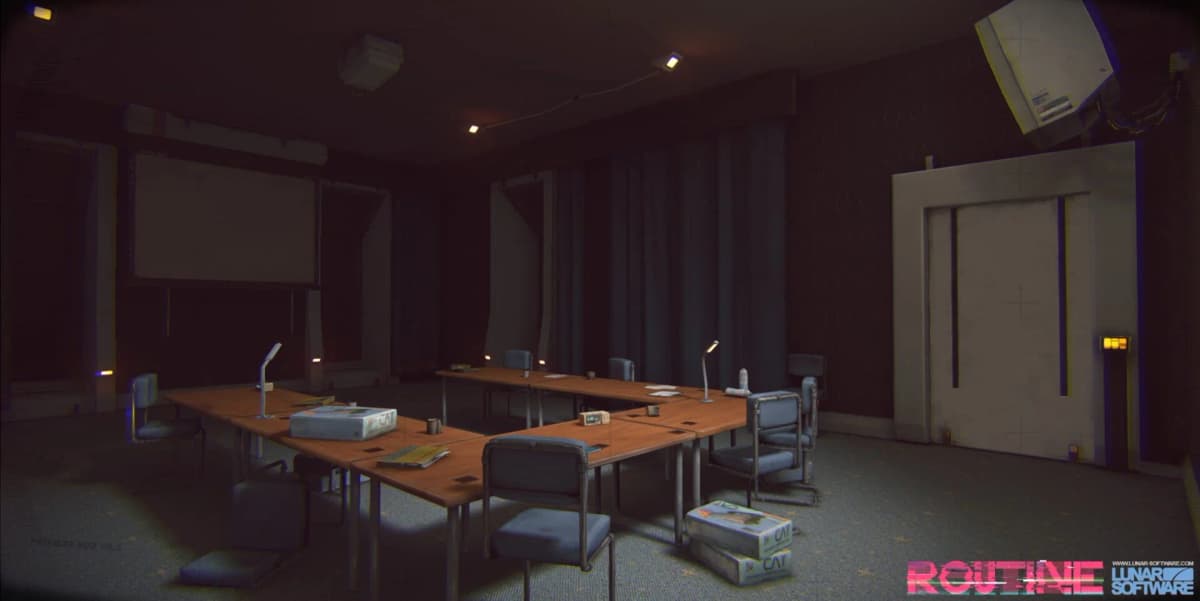
Routine is one of those names that’s floated around horror forums for so long it felt more urban legend than upcoming game. I remember its early reveal vibes-cold corridors, VHS fuzz, clunky analog tech-like Alien: Isolation by way of a 1980s cosmonaut training video. Now, after 13 years of silence, reboots, and re-reveals, Lunar Software says Routine is targeting late 2025 on PC and Xbox (day one on Game Pass) with Unreal Engine 5, full-body awareness, and a minimalist, diegetic interface. That’s a potent pitch. It’s also one that sets a brutal bar after such a wait.
Key Takeaways
- Late 2025 launch on PC and Xbox, with day-one Game Pass broadening the audience instantly.
- Retro-analogue moon-base horror with stealth, permadeath, and almost no HUD-expect tension over firepower.
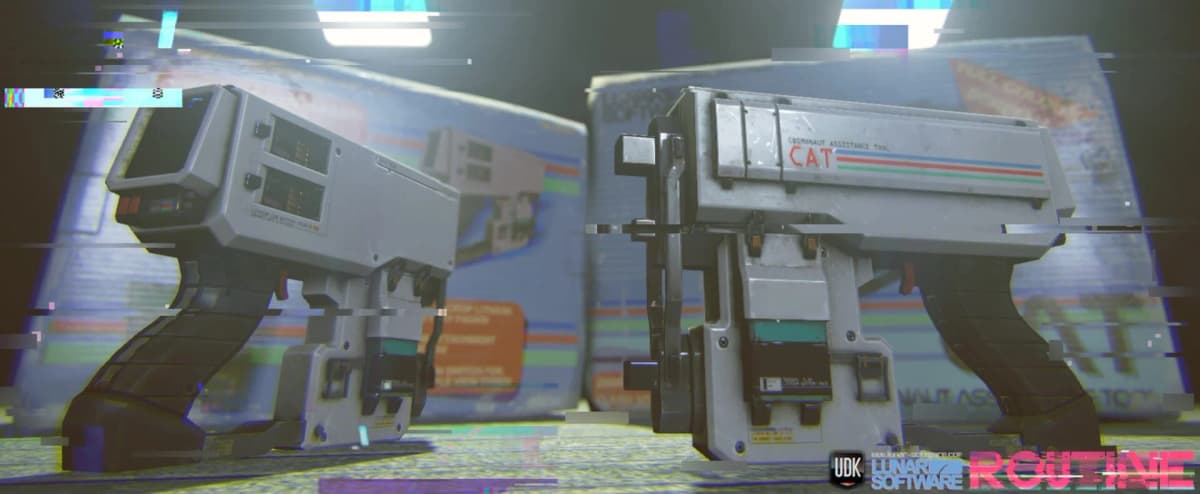
- The Cosmonaut Assistance Tool (C.A.T.) powers navigation, upgrades, and limited defense, but battery anxiety is the point.
- Procedural elements could boost replayability—or dilute handcrafted scares if not handled carefully.
Breaking Down the Announcement
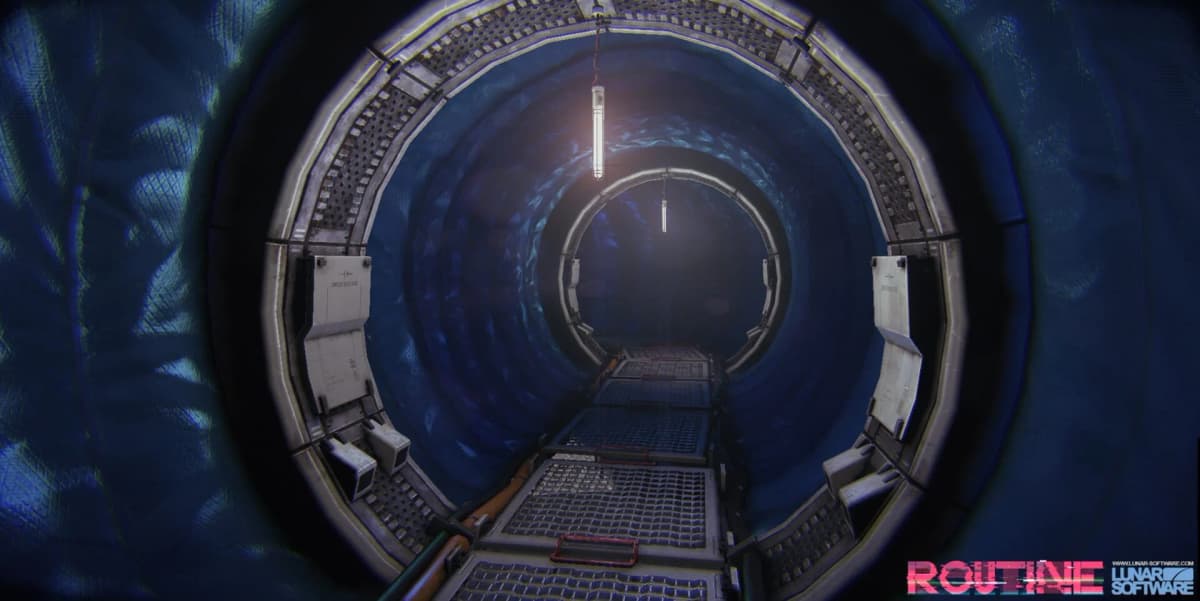
Here’s the concrete stuff. Routine drops players into a decaying lunar facility drenched in 80s retrofuturism—think CRT flicker, chunky hardware, cigarette-burn UI. It’s first-person with full-body awareness, low-to-no HUD, and diegetic audio cues. Hostile robots stalk the halls, and the game leans into stealth and avoidance over combat. Your lifeline is the C.A.T., a multifunction device that doubles as flashlight, scanner, and a last-ditch stunner. You’ll scrounge floppy disks to tweak its behavior—screen refresh tweaks, brighter lamps, that sort of analog tinker flair—and juggle its battery like your life depends on it. Because it does.
The team is also talking up permadeath and “some” procedural variation in layouts and encounters. Composer Mick Gordon (Doom 2016, Prey, Atomic Heart) is onboard, which could be a big win if the score leans into dread over bombast. It’s all wrapped in Unreal Engine 5, which sounds great—though I’ll get to the performance questions in a minute.
The Real Story: High-Risk Design Bets
This caught my attention because Routine’s mechanics aim for immersion the way Dead Space did with diegetic UI, but they push it further: no first-aid kits, no clean health bar, just the visual state of your body and the noises around you. That can be incredible for horror. It can also be miserable if checkpoints and readability aren’t tuned. Permadeath in a slow-burn stealth game is the spiciest choice on the menu. Games like Alien: Isolation wrung terror from meticulous, handcrafted level design and AI behavior; inject too much procedural chaos and you risk swapping “carefully orchestrated dread” for “RNG said no.”
I’m into the C.A.T. as a diegetic all-in-one tool—part System Shock multitool, part scanner, part flashlight—with upgrade disks that feel satisfyingly era-appropriate. But a device that governs light, navigation, and survival needs rock-solid UX. Battery drain has to create tension without devolving into flashlight babysitting. If Lunar nails that balance, Routine could stand apart from the pack; if not, it becomes another “great trailer, exhausting game” story.
Context: From Dev Limbo to Game Pass
Thirteen years is an eternity. We’ve seen games crawl out of dev hell and triumph (The Last Guardian, Dead Island 2) and others faceplant under the weight of expectations. Raw Fury stepping in as publisher gives Routine a real shot—this is a label that tends to back stylish, auteur-driven projects like Sable and Kingdom. The day-one Game Pass angle matters too. Horror thrives when more people try it, and Game Pass turns curiosity into downloads. If Routine’s opening hour hooks players with tone and mystery, word of mouth could carry it further than a niche storefront launch ever could.
FinalBoss // Gear
Level up your setup
01Retro consoleson Amazon→028BitDo controllerson Amazon→03Capture cards (Elgato & more)on Amazon→04Discounted game keyson Kinguin→Affiliate links · As an Amazon Associate, FinalBoss earns from qualifying purchases.
The platform list is the eyebrow-raiser: Xbox One and Series X|S in late 2025. Cross-gen this far out often leads to design compromises. If Routine truly leans on UE5 features for lighting and materials, will an Xbox One build hold it back? And even within current gen, Series S and a minimal HUD can create performance and readability headaches. The vibe only works if framerate and audio timing are rock solid.
What Gamers Need to Know
Routine looks built for players who loved SOMA’s existential dread, Signalis’ retro-future melancholy, and Isolation’s slow, methodical stealth. If you want power fantasies and upgrade trees that turn you into a tank, this isn’t that. Expect careful exploration, leaning into audio cues, and learning enemy behaviors. The promise of alternate routes and endings suggests replayability, but that only works if permadeath doesn’t feel like a sledgehammer to the kneecaps. Accessibility and mode options will be key: adjustable checkpointing, audio clarity settings, and visual feedback for injuries could make or break the experience for a wider audience.
A few things I’ll be watching before preloading: does the procedural layer enhance, not replace, authored scares? How punishing is the death loop in practice? Can the C.A.T. feel like a character in its own right rather than a battery gauge? And, bluntly, do they hit 2025? After a decade-plus, slipping into 2026 wouldn’t surprise me—better a locked-in release than another rushed relic.
Looking Ahead
I want Routine to land because the genre needs more games that trust atmosphere over combat. The new trailer nails the aesthetic, and the design pillars suggest a team sticking to its original weird, analog vision rather than chasing trends. If Lunar Software can pair that with modern polish—smart saves, tuned AI, reliable performance—Routine could finally graduate from vaporware cautionary tale to cult-classic reality. After 13 years, that would be one hell of a plot twist.
TL;DR
Routine is back with a late 2025 target, Game Pass launch, and a deliciously grim retro-moon aesthetic. The C.A.T. tool, permadeath, and minimal UI could make it unforgettable—or frustrating—depending on execution. Cautious optimism, with big questions about difficulty balance and cross-gen performance.