
Rubik’s WOWCube Launches at $299 — Brilliant Toy, Bold Hardware, or Pricey Gimmick?
Why Rubik’s WOWCube Caught My Eye
Weird hardware is my love language, and Rubik’s WOWCube is the kind of left-field device that makes me perk up. It’s a 2x2x2 handheld loaded with 24 tiny screens, gyros, and no buttons-just twist, tap, and shake. Cubios, Inc. and Spin Master are pitching it as a next-gen puzzle console, launching October 9 at $299, with an open SDK and a New York Comic Con demo. The pitch is strong, the form factor is wild, and the big question is the same one that has sunk many oddball gadgets: will the software justify the hardware?
Key Takeaways
- $299 launch price puts it against actual consoles-content needs to be killer, not cute.
- 24-screen, motion-first design is genuinely new; perfect for spatial puzzles and arcade riffs.
- Open SDK and developer portal could make or break longevity; community is the lifeline.
- STEM.org certification signals an education angle, but gamers need more than lesson plans.
Breaking Down the Announcement
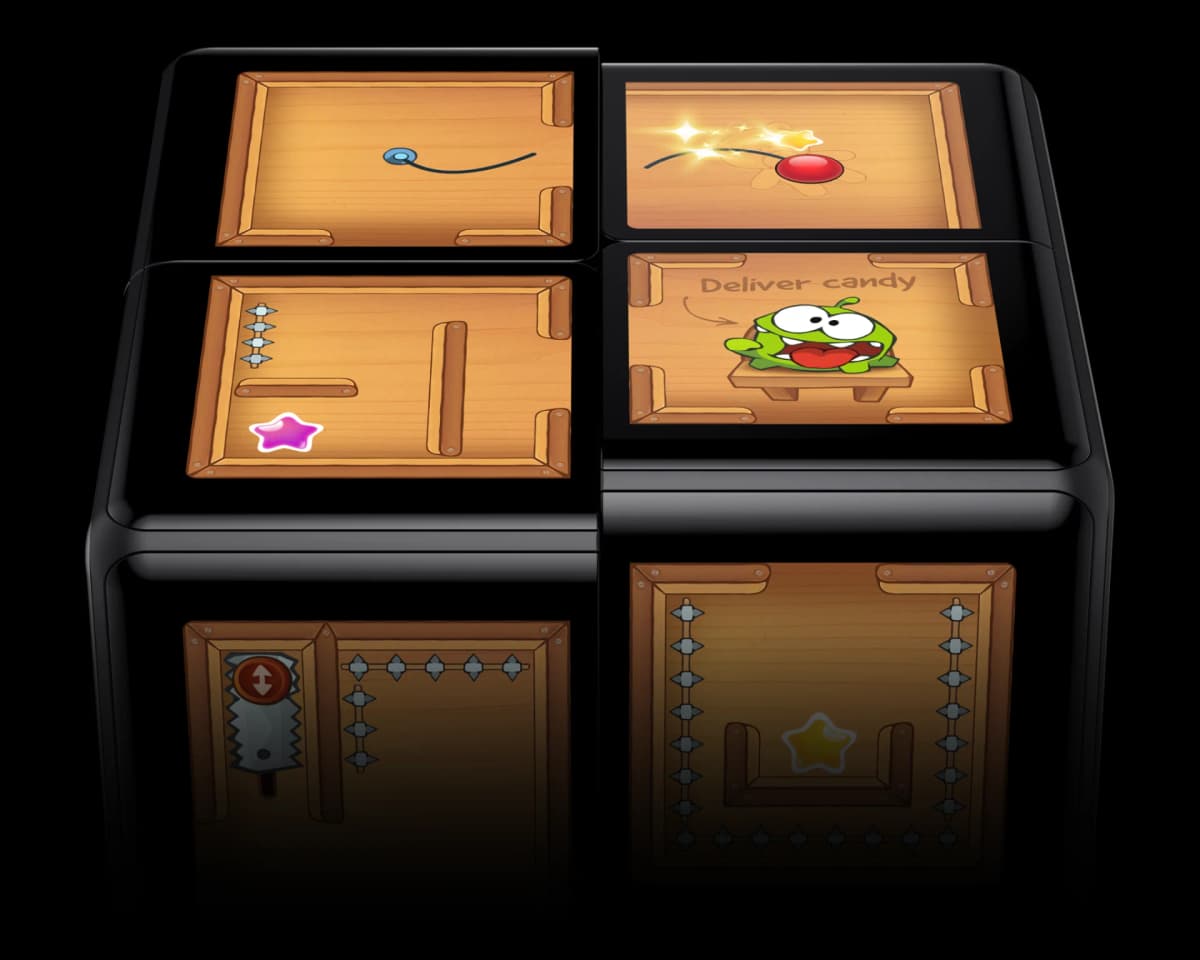
Here’s the deal: WOWCube is a physical 2x2x2 cube where each face is split into four mini-IPS displays, for 24 in total. You twist the cube like a Rubik’s, but the screens respond in real time as games wrap across faces. Onboard sensors (accelerometer and gyroscope) track motion; you interact with double-taps, rotations, and shakes instead of buttons. The companies say it’ll support “reimagined classics” and original titles at launch, with more coming through an open SDK and a developer portal. It’s also STEM.org certified, which tells me they’re aiming beyond gamers to classrooms and parents. You can go hands-on at New York Comic Con, which is a smart move-this device sells itself better in the hand than in a spec sheet.
Spin Master’s involvement matters. This is the toy company that owns the Rubik’s brand today and knows how to ship hardware at scale. Pairing them with Cubios gives the project a real supply chain and retail path—not always the case with experimental gaming devices.
Does It Actually Play Well?
On paper, the WOWCube’s “no buttons, all motion” approach is both the hook and the hazard. The best fits are spatial puzzle games, maze navigators, and arcade-y reflex challenges that treat the whole cube like a wraparound level. Think guiding a little critter as it flows from one face to the next, or lining up paths by twisting sides in sync. That’s cool, tactile, and frankly something you can’t get on a flat screen.
Where I’m cautious: precision-heavy genres. Platformers that rely on tight jumps or shooters that want a trigger press won’t translate neatly to tap-and-twist. Also, without physical buttons, accidental inputs are inevitable until muscle memory kicks in. The device is heavier than a standard Rubik’s Cube (all those displays and microcontrollers add up), so marathon sessions could bring hand fatigue. Battery life claims tend to hover around a few hours on devices like this, and 24 backlit screens won’t be shy about sipping power. Real-world tests will tell the story—bring a charger if you’re trying it at a convention.
Menuing looks simple enough: you highlight an app across the faces and double-tap to launch; shake to hop back out. It’s intuitive and playful, but discoverability can be a challenge on non-traditional UIs. A clean, consistent UX will matter as the library grows.

Want to Level Up Your Gaming?
Get access to exclusive strategies, hidden tips, and pro-level insights that we don't share publicly.
Ultimate Gaming Strategy Guide + Weekly Pro Tips
Industry Context: The Gamble on Weird Hardware
If you’ve been around long enough, you remember Sifteo Cubes—a clever, modular screen toy from the early 2010s that fizzled because the games didn’t keep pace with the tech. On the flip side, Playdate’s hand-cranked charm landed because it launched with a curated pipeline and a dev-friendly vibe. WOWCube is walking that tightrope. An open SDK is promising, but the real questions are: how easy is it to build something great, how do devs monetize, and is there a store that makes discovery painless? If Cubios and Spin Master can answer that with clear docs, revenue sharing, and steady drops, this could carve out a loyal niche.
The STEM.org badge is a savvy move. It gives schools and parents a reason to pay attention, and the cube’s spatial logic angle is tailor-made for classroom challenges. But speaking as a gamer, “educational” is a bonus, not the core. I want slick puzzle designs, arcade tension, and the kind of “one more twist” compulsion loop that keeps it on my desk for months—not just a week of novelty.
Should You Buy One?
At $299, WOWCube sits in a tough neighborhood. That price overlaps handhelds that run deep libraries, not to mention frequent sales on mainstream consoles and VR headsets. So who’s it for? Puzzle diehards who love tactile toys, tinkerers who want to build weird ideas with the SDK, and families looking for a shared, screen-but-not-flat-screen experience. If you fit those buckets, this could be a delightful, conversation-starting device. If you’re after breadth of games per dollar, wait and see what the early library and community look like a few months post-launch.

If you’re at New York Comic Con, absolutely get hands-on. This is the kind of hardware you need to feel to “get.” Try a spatial puzzle, twist the cube through a multi-face maze, and see whether the motion input clicks for you. If it does, you’ll know immediately.
TL;DR
Rubik’s WOWCube is a bold, 24-screen, motion-first cube launching Oct 9 for $299. The hardware is genuinely novel; success now hinges on a steady stream of smart puzzle and arcade experiences and a thriving dev community. If you love experimental form factors, keep this on your radar—just don’t expect it to replace your handheld console.