
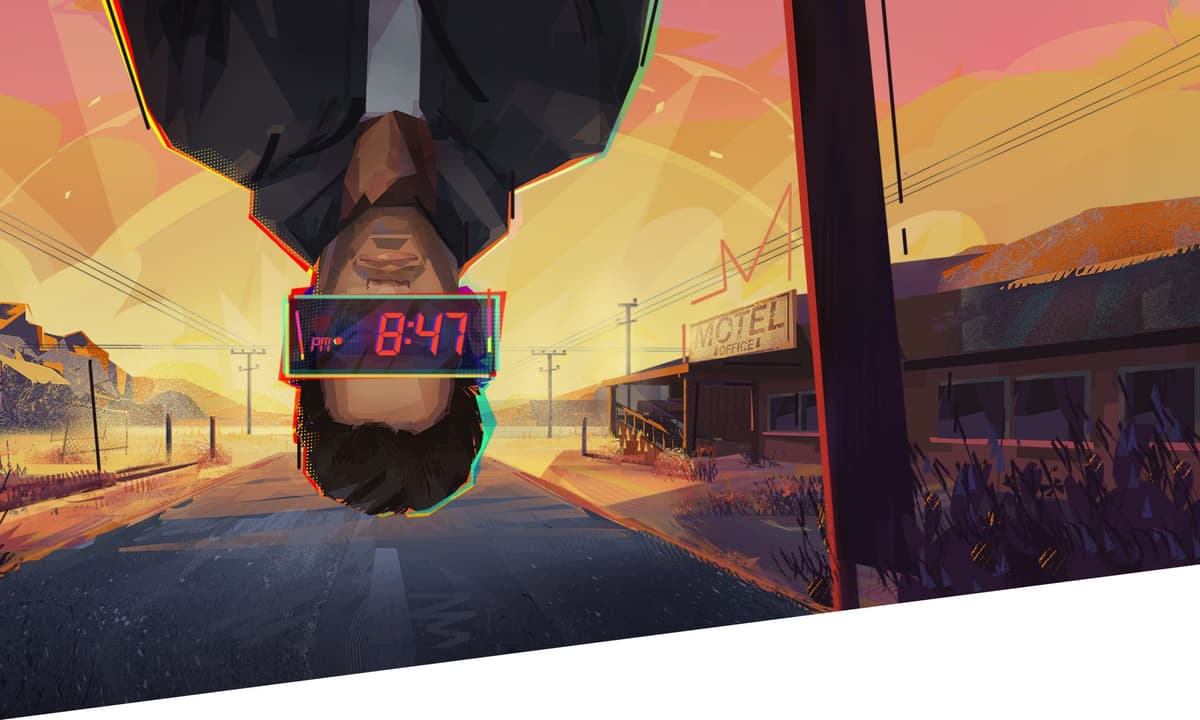
Rue Valley and Movember Team Up: Does Gaming Really Help Tackle Men’s Mental Health?
Game intel
Rue Valley
A highly emotional RPG with Personality System and Mind Map Mechanics. Survive the unjust psychotherapy, lift yourself from rock bottom and uncover the mystery…
Gaming Meets Men’s Mental Health-But What’s Different This Time?
When Owlcat Games and Emotion Spark Studio announced their partnership with Movember for their upcoming narrative RPG, Rue Valley, it caught my attention-and not just because it promises to be another immersive adventure. We’ve seen a steady stream of games touch on mental health over the last decade, but the direct tie-in with the world’s most prominent men’s health charity is a bold move. The question is: can Rue Valley be more than just another “issue game,” and does this collaboration actually matter for players?
- Rue Valley uses a time loop narrative to explore therapy and self-discovery.
- Partnering with Movember signals a serious commitment to mental health authenticity.
- Available on all major platforms, this isn’t just a niche indie experiment.
- Raises tough questions about what gaming can really do for real-world mental health.
Breaking Down the Announcement: What Makes Rue Valley Stand Out?
Let’s get this out of the way: narrative RPGs about emotional trauma aren’t new. But there’s a small handful that genuinely break through (think Celeste, Night in the Woods, If Found…), mixing strong storytelling with just enough gameplay to immerse-not suffocate—the player. What makes Rue Valley’s announcement interesting is the explicit alliance with Movember. This means expert input, credibility, and potentially more care than your average “therapy is good” subplot.
The game promises a “deeply personal story” about a man stuck in a time loop, forced to confront and untangle his emotional knots. If that setup sounds familiar, it’s probably because time loops have become this generation’s favorite metaphor for mental struggle (see: Twelve Minutes, Outer Wilds, Returnal). But Rue Valley stakes its claim by centering the experience on male mental health—the demographic that the gaming world rarely puts front and center, at least seriously.
Beyond the Press Release: Hype or Genuine Impact?
Here’s where my gamer skepticism kicks in. Movember’s involvement is huge on paper, but I want to know—will their expertise be woven into actual gameplay or just show up in flavor text and backstory dumps? “Meeting players where they are” is smart marketing, but for it to matter, Rue Valley needs to integrate real moments of vulnerability and growth. Games like Hellblade: Senua’s Sacrifice have shown the bar is high when it comes to tackling mental health without slipping into cliché or melodrama.
One promising sign is the mention of “normalizing therapy” through play. If Emotion Spark can find interactive ways to let players experience the awkwardness, relief, or even ambivalence of therapy, it could move the needle. Far too often, games tackling heavy topics do so via expository cutscenes, not genuine interaction. Whether Rue Valley cracks this is going to be what separates it from the well-intentioned but forgettable majority.
Context: Right Place, Right Time?
We’re in an era where gaming’s core demographics are finally talking openly about mental health, but games targeting this topic can still feel like high-risk, low-reward bets for publishers. That’s why the cross-platform release matters here—PC, PlayStation 5, Xbox Series X|S, even Switch—that’s a wide net. It’s rare to see a subject like this not relegated to Steam’s “psychology” tag ghetto or niche Itch.io projects. Owlcat Games’ pedigree in RPGs gives me some hope: they aren’t known for hitting topics superficially (see their work on the Pathfinder series, which, for all its crunch, took narrative consequences seriously).
Still, I’m wary of overpromising. There’s always the risk that a partnership like this gets reduced to sidebar prompts (“If you are struggling, call this number…”), which, while important, doesn’t quite move the medium forward. The real test will be in Rue Valley’s mechanics: Does the story react meaningfully to player vulnerability? Will emotional breakthroughs feel earned, or will they be checkbox moments for achievement hunters?
The Gamer’s Perspective: Why Should We Care?
Gamers love a story they can lose themselves in, but they also sniff out insincerity from a mile away. If Rue Valley nails the balance between narrative and agency, it could end up next to the likes of Life is Strange or Spiritfarer—games that made players feel seen, not just entertained. But if it pulls its punches or leans on the gravitas of its partnership a little too hard, it risks being another footnote in an increasingly crowded field.
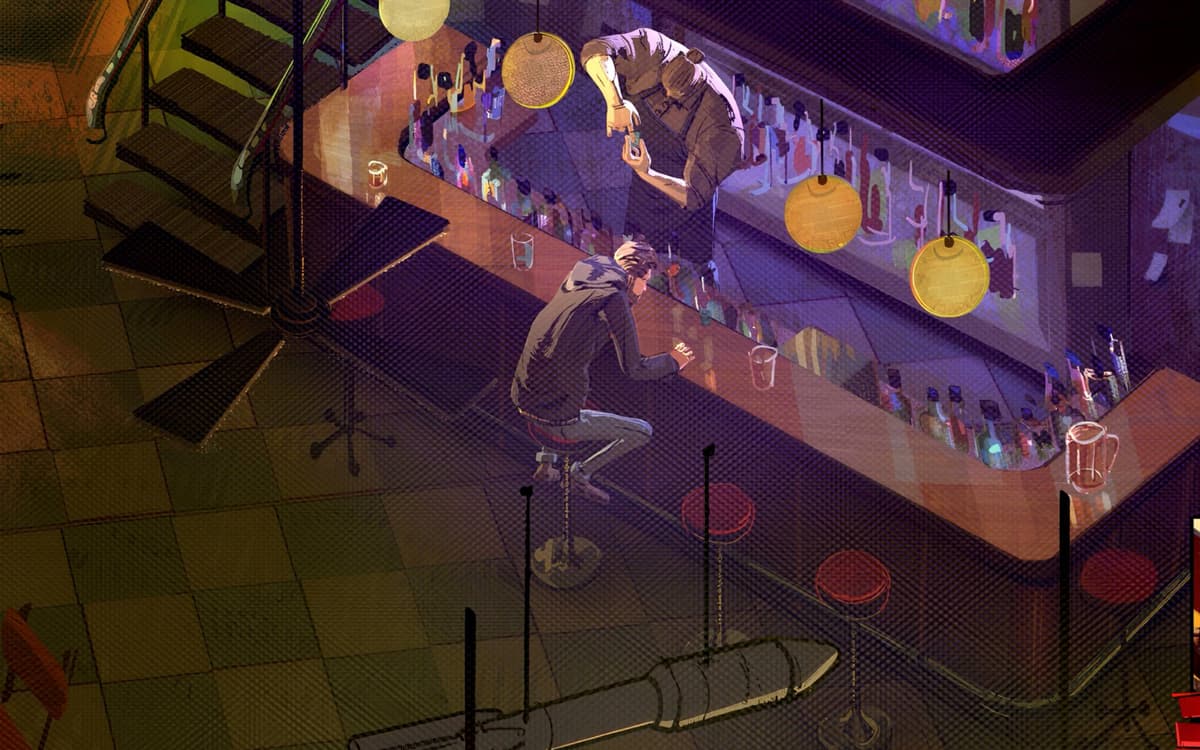
The collaboration is promising, and the timing—when more gamers want real talk about mental health—couldn’t be better. But as always, the proof will be in the playing. Until we get hands-on, this is still a fascinating gamble combining triple-A reach with deeply personal themes—the kind of experiment the medium needs, if only a few more would dare.
TL;DR
Rue Valley’s partnership with Movember is a bold step towards integrating authentic mental health conversations into gaming. If it follows through with genuine, interactive storytelling—not just a well-marketed message—it could genuinely shift how games tackle tough subjects. Watch this space, but keep your expectations grounded.